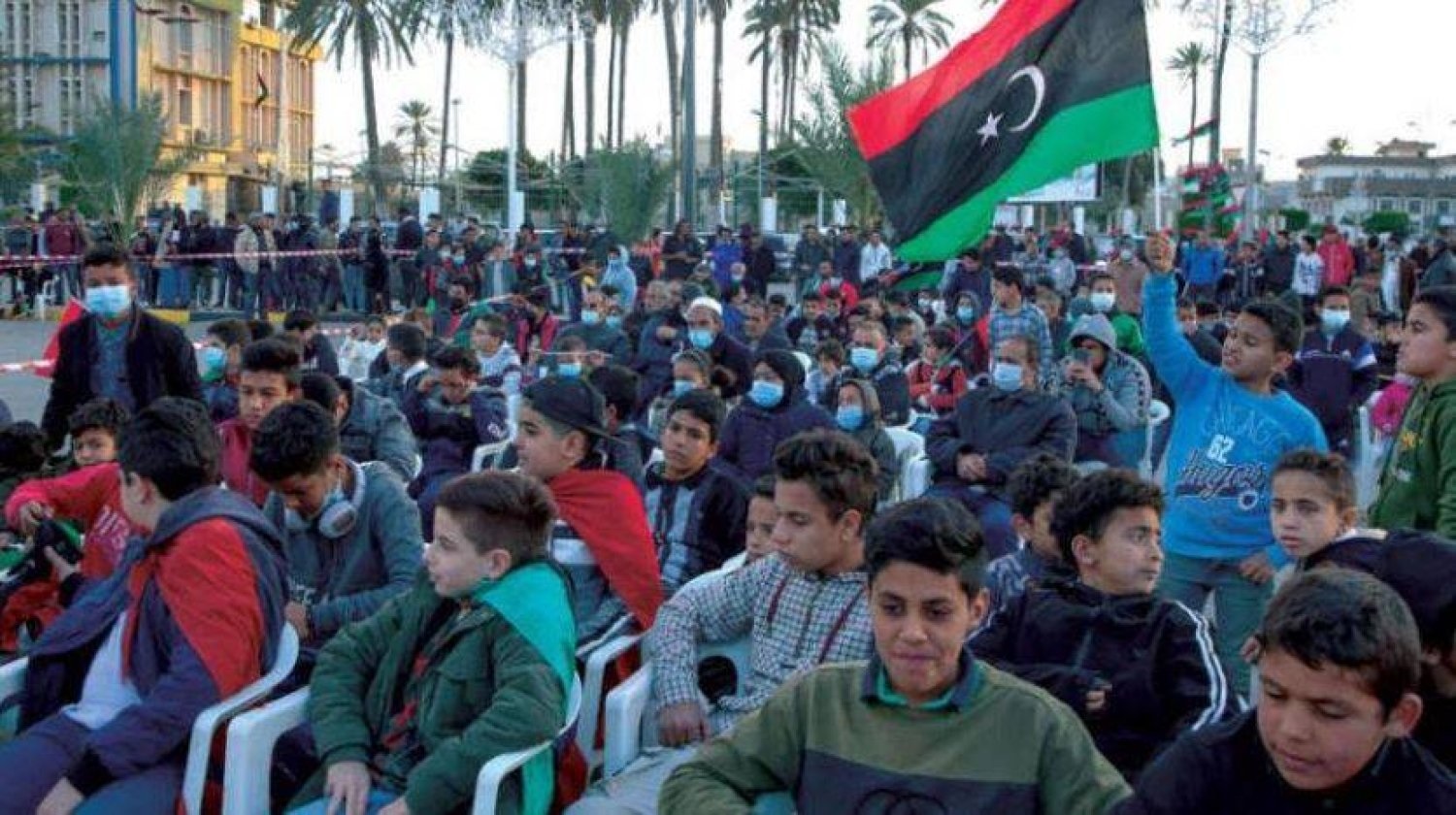
Watan-In a continued effort to restart Libya’s stalled political process, the United Nations Support Mission in Libya (UNSMIL) announced that over 10,000 Libyans took part in an online survey aimed at shaping a new roadmap toward elections and ending the transitional period.
The survey, launched by the UN mission, gathered public opinions on four proposals put forth by the Advisory Committee regarding Libya’s next political steps. It also sought input on citizens’ priorities and conditions for a successful political transition, while on-the-ground consultations continued across the country.
According to UNSMIL, preliminary results indicate that most participants prioritized:
-
Unifying state institutions
-
Ending political division
-
Reforming the security sector
-
Restoring the rule of law
-
Ensuring accountability for human rights violations
Many respondents expressed concern over security breakdowns and poor public services, particularly in areas lacking formal governance.
Written submissions revealed widespread demands for a new transitional government tasked with leading Libya to elections under a strict and binding timeline, alongside calls to dismantle the existing political bodies, which are seen as having failed the people.

Diverging Views on Election Sequencing
Responses to the four political proposals were mixed:
-
Simultaneous presidential and parliamentary elections
-
Parliamentary elections first, followed by drafting a permanent constitution
-
Adoption of a permanent constitution before any elections
-
A new national political dialogue to agree on transitional arrangements based on broader consensus and current security realities
UN Envoy Emphasizes Inclusivity and Practical Solutions
UN Special Representative Hanna Tetteh stressed the importance of public participation from all regions, especially the south and east, to ensure inclusive decision-making. The mission will conduct two additional phone-based surveys through a specialized firm to reach communities without internet access.
UNSMIL plans to use the survey results as core inputs for the roadmap, with the goal of ending political stagnation and achieving unified governance.
Tetteh and Deputy Political Representative Stephanie Khoury also met with 15 representatives from Western Libya, including mayors from Ain Zara, Jmil, Souq al-Jumaa, Sorman, Zawiya, and Zuwara. They discussed the work of the Advisory Committee and proposals to end the political deadlock.
Concerns from the Field
Attendees emphasized the need to:
-
Unify military and security institutions
-
Curb militia violence
-
Reestablish full state authority across Libya
A representative of 143 local leaders from 11 municipalities conveyed a strong public desire for peace, urging all parties to engage in dialogue over conflict.
Tetteh reaffirmed the UN’s commitment to de-escalation efforts, institutional reform, and the creation of a consensus-based, technically feasible roadmap that could support credible elections.
She noted that while international support is critical, the solution must remain Libyan-led, as emphasized during the recent Berlin meeting held on June 20. There, global stakeholders pledged to support the roadmap and impose sanctions on spoilers, in accordance with UN Security Council resolutions.

Election Risks and Reality
Tetteh warned that poorly organized elections can lead to greater instability, as seen in other nations. Hence, the roadmap must be balanced, technically sound, and accompanied by institutional reforms to guarantee credible outcomes and avoid triggering renewed violence.
She concluded by highlighting that elections are not an end, but a means to restoring legitimacy and public trust.
-
-
-

-
-
-