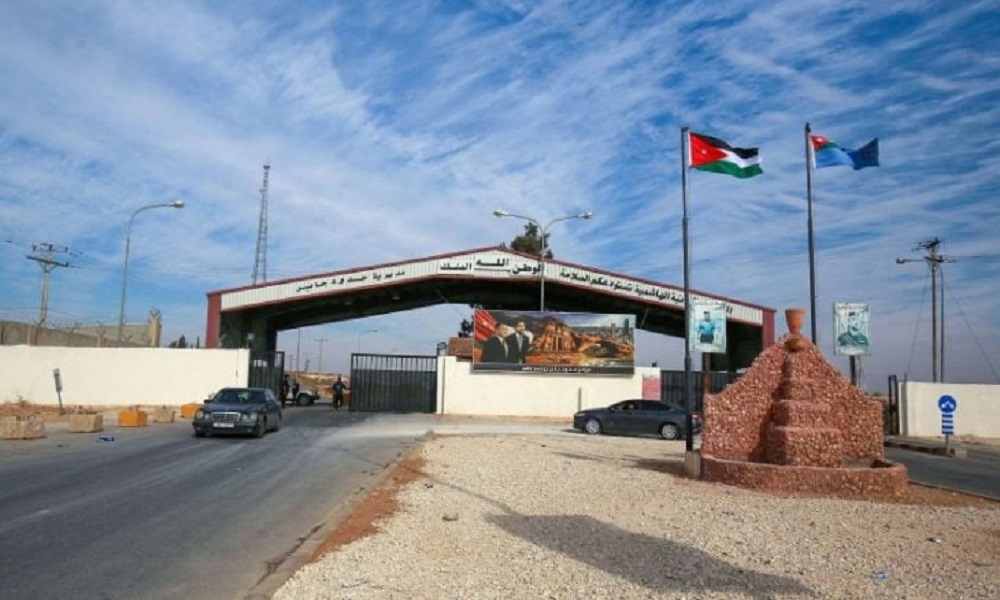
Watan-The recent escalation of violence in Syria’s Sweida province, bordering Jordan, has triggered unprecedented reactions within Jordan’s social and political landscape. Just hours after the events unfolded Thursday evening, signs of mounting concern emerged, particularly over fears that the violence could spread to Daraa and areas adjacent to Jordan’s northeastern desert.
The most notable response came from a rare joint statement by tribal groups known as “Ahl al-Jabal in Jordan”, representing influential Bedouin clans in northern and eastern Jordan, including the Sharafat, Masa’id, Azamat, Zubaid, and Ghayath Shammari tribes. These groups expressed public solidarity with Arab Bedouin tribes in Sweida and urged the Jordanian government to take action.
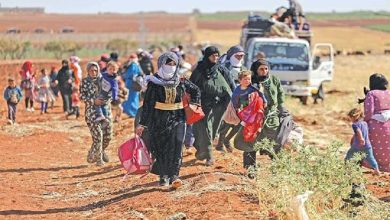
In their statement, the tribes condemned what they called “genocide and forced displacement” targeting Bedouin communities in Sweida, blaming sectarian armed groups for the abuses. They called on both Amman and the international community to intervene urgently, investigate the crimes, and hold perpetrators accountable. The signatories declared full solidarity with the Druze community of Jabal al-Arab, denouncing what they described as “organized terror threatening civil peace in southern Syria and the region.”
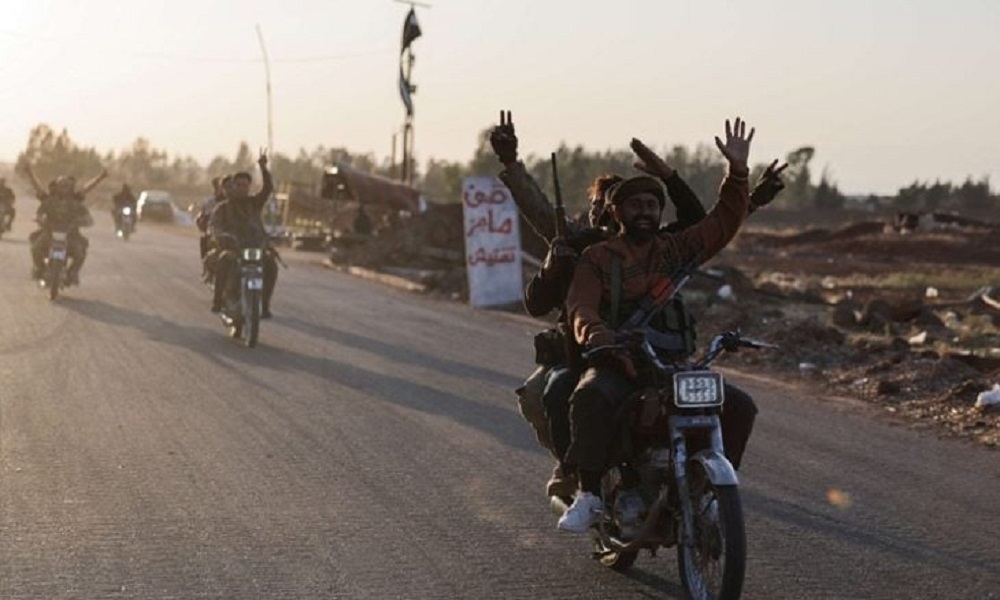
This kind of tribal statement is highly unusual in Jordan and underscores a deepening cross-border social interconnection, particularly in the tribal northern areas. Simultaneously, Jordanian social media saw a surge in videos alleging violations by Druze militias following the Syrian army’s withdrawal from Sweida.
Notably, a smaller group of Jordanian Druze citizens held a protest in support of their sectarian kin in Sweida. This unusual display of sectarian alignment highlights how Syrian domestic tensions may be mirrored inside Jordan, prompting heightened government vigilance. Jordanian authorities are said to be increasing security around Druze-populated villages and are engaging tribal leaders to maintain calm.

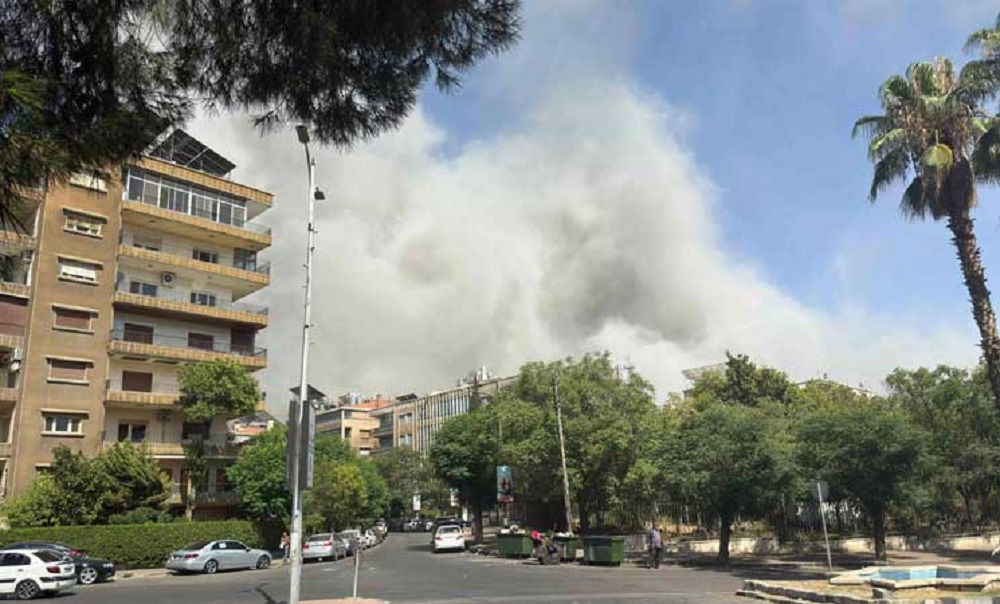
Meanwhile, Jordan has reinforced security measures along its Syrian border, fearing potential instability or armed spillover. On the diplomatic front, Jordan’s UN ambassador intensified criticism of Israel, accusing it of fueling division and attempting to fragment Syria — language that reflects Amman’s broader concern over regional destabilization.
-
-

-
-
-

-