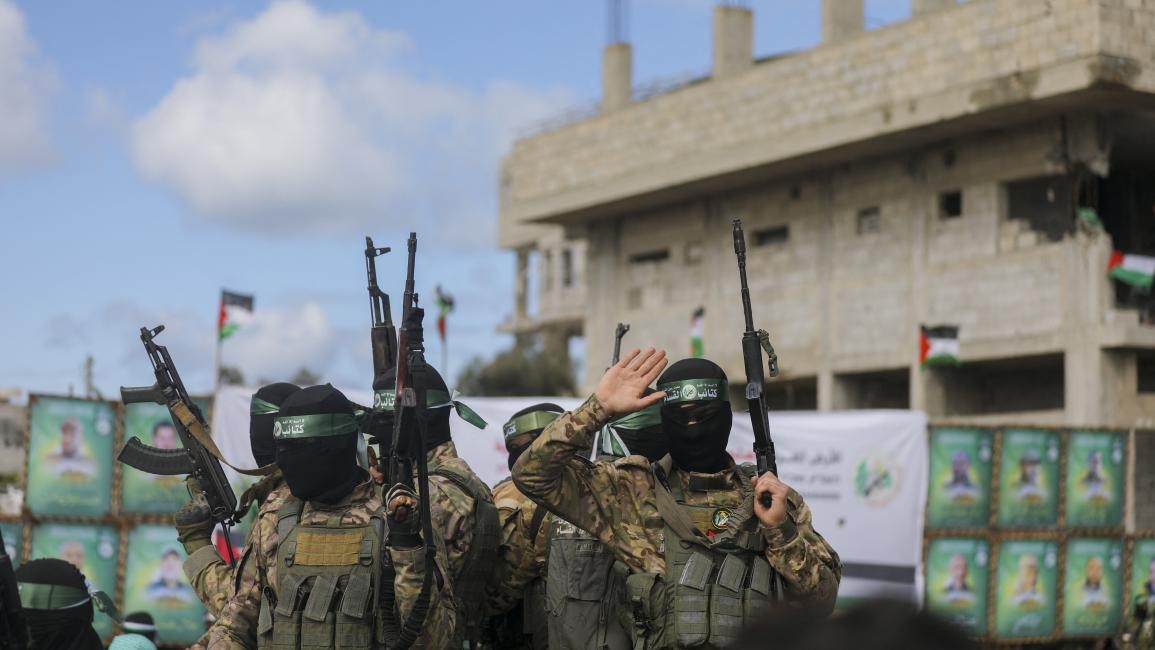
Watan-Israel continues to leak reports of “progress” in the indirect ceasefire negotiations, highlighting the presentation of new withdrawal maps from the Gaza Strip, different from those previously offered. Meanwhile, Hamas has remained silent regarding the Israeli media claims on this matter.
In recent hours, Israeli media published numerous reports alleging advancements in the negotiations, less than 24 hours after a Hamas leader confirmed no breakthrough has yet occurred and that Israel has not presented new maps showing withdrawal areas from Gaza if a ceasefire is reached. Hamas had previously rejected maps that left Israeli forces controlling over 40% of the territory.
According to the Israeli i24NEWS channel, one source said, “The current issue is no longer about the Morag axis but about the Israeli presence in the Rafah area.” The source claimed that mediators are optimistic about the new maps presented by Israel, considering they “significantly enhance the possibility of reaching an agreement soon.”
Israeli claims indicate the new maps show Israel effectively relinquishing control of the “Morag axis,” while the source added, “Mediators are optimistic; the new maps greatly increase the chances of a near agreement.”

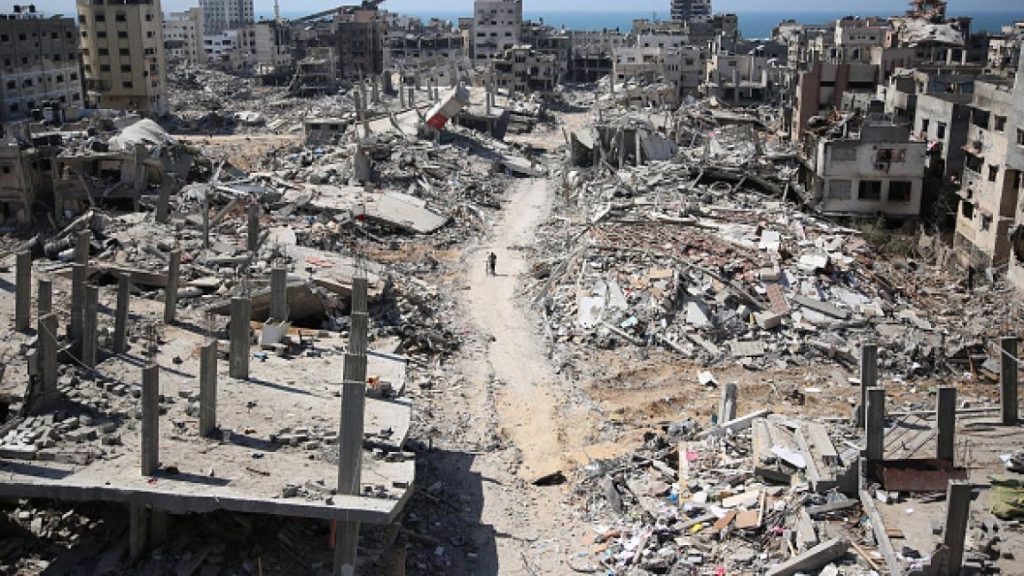
The information promoted by Israeli media states the new map would allow Israeli forces to remain at a depth of 1.2 kilometers north of the Philadelphia axis and 1.1 kilometers north and east of Gaza Strip.
This means that even if Israel agrees to withdraw from the Morag axis, which separates Khan Yunis and Rafah, it will not withdraw from Rafah city itself, thus maintaining occupation there and control of aid distribution centers operated by an American company.
The Israeli narrative suggests these maps will be conveyed to Hamas via mediators, with upcoming negotiation rounds focusing on the keys to releasing prisoners.
As usual, former US President Donald Trump contributed to promoting the Israeli narrative, claiming he had “good news” about Gaza, despite his earlier assurances during negotiations of an imminent agreement within two days—which has not yet materialized.
According to Cairo News Channel, efforts are underway under the direct sponsorship of Egyptian Intelligence Chief Major General Hassan Rashad, Qatari Prime Minister Mohammed bin Abdulrahman Al Thani, and US envoy Steve Witkoff to reach a ceasefire in Gaza, with mediators working to overcome obstacles in negotiations between involved parties.
If confirmed, the Israeli new maps maintaining occupation of Rafah will likely be unacceptable to Palestinian resistance factions, as they are essentially not much different from previous maps except for the removal of the Morag axis, with Rafah still occupied.
Hamas had rejected, during recent ceasefire talks beginning last week, the ongoing aid distribution mechanism supported by Israel and the US—especially given the daily casualties among civilians heading to these aid sites, which have become “death traps.”
Until this report, Hamas has issued no official comment on recent Israeli reports. The last statement was from Hamas leader Basem Naeem, who said the occupation is “theoretically engaged in negotiations for the internal Israeli image and to ease international pressure,” confirming that Israel had not delivered new maps as claimed.
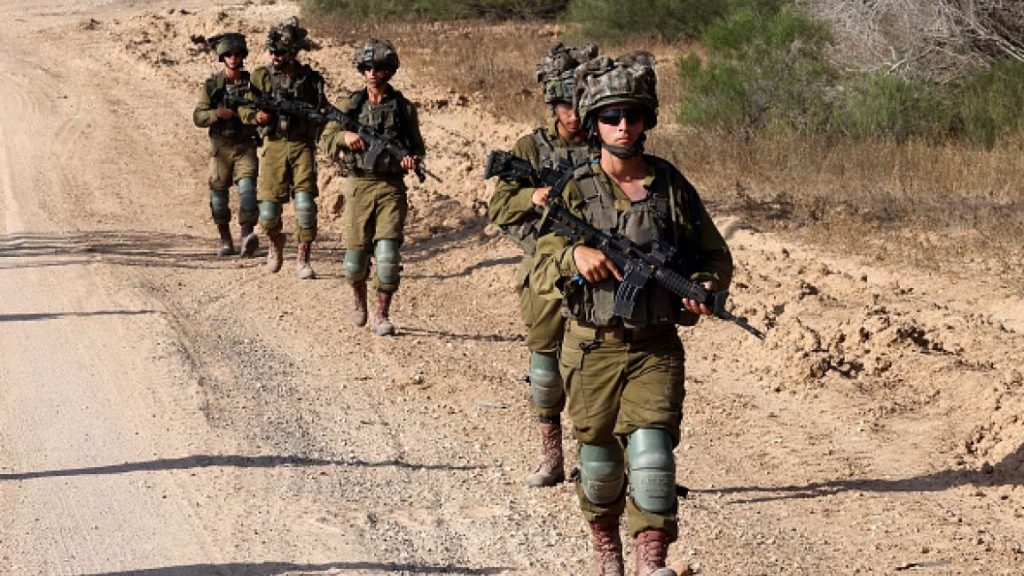
Hamas demands Israeli forces withdraw to their positions during the last ceasefire, which began on January 18 and lasted 42 days.
Regarding negotiations over a prisoner exchange deal between Hamas and Israel, expectations are that disputes will focus less on the number of Palestinian prisoners Hamas demands for release per each Israeli captive, alive or dead, and more on some key prisoners. Hamas may seek to apply the previous deal’s terms or demand the release of more prisoners serving long or life sentences, especially as it prepares to release Israeli officers and soldiers at this stage.
-
-
-

-

-

-