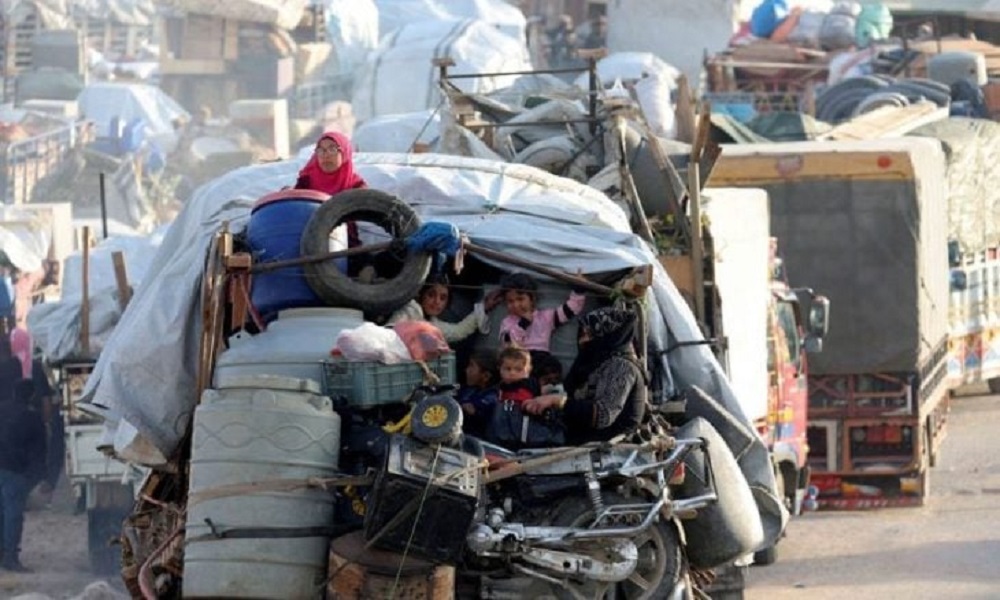
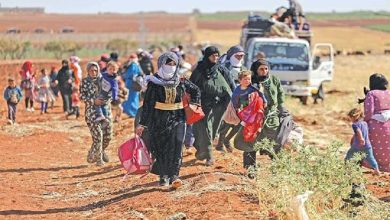
Watan-Lebanon is preparing to repatriate thousands of Syrian refugees this week under a UN-supported plan that offers financial incentives and logistical aid for returnees. This marks the first mass return program since the ouster of President Bashar al-Assad in December 2024, with the new Islamist-led Syrian government expressing openness to all returning citizens.
Cash Assistance and Fee Waivers
According to Lebanese Social Affairs Minister Hanine El Sayed, each returning Syrian will receive $100 in Lebanon and $400 per family upon arrival in Syria. Transportation is covered, and border fees have been waived by Syrian authorities.
“We see this as an important first step,” El Sayed told Reuters, noting that coordination with Syrian counterparts is ongoing and that return numbers are expected to increase in the coming weeks.

Target: Up to 400,000 Returns in 2025
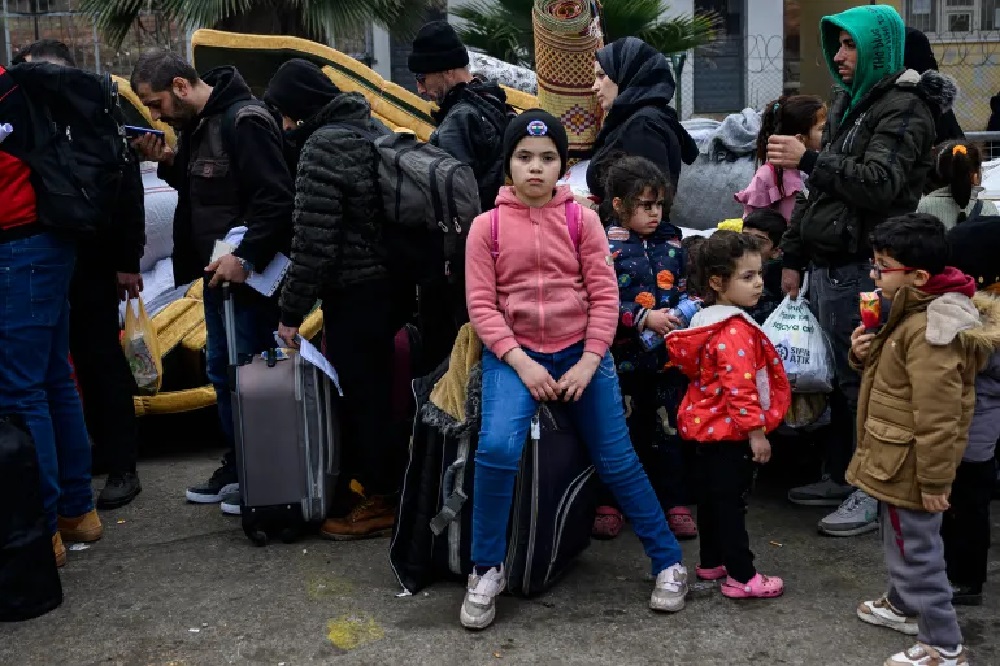
Roughly 11,000 refugees have already registered for the first phase of returns. The Lebanese government aims to return 200,000–400,000 people this year, focusing particularly on the 200,000 refugees living in informal camps.
To encourage this, Lebanon may offer work permits in sectors like agriculture and construction to male heads of households who stay in Lebanon while their families return.
Shift in UN and Syrian Government Stance
In the past, the UNHCR considered Syria unsafe for return due to violence and regime persecution. But the new political landscape has altered that position.
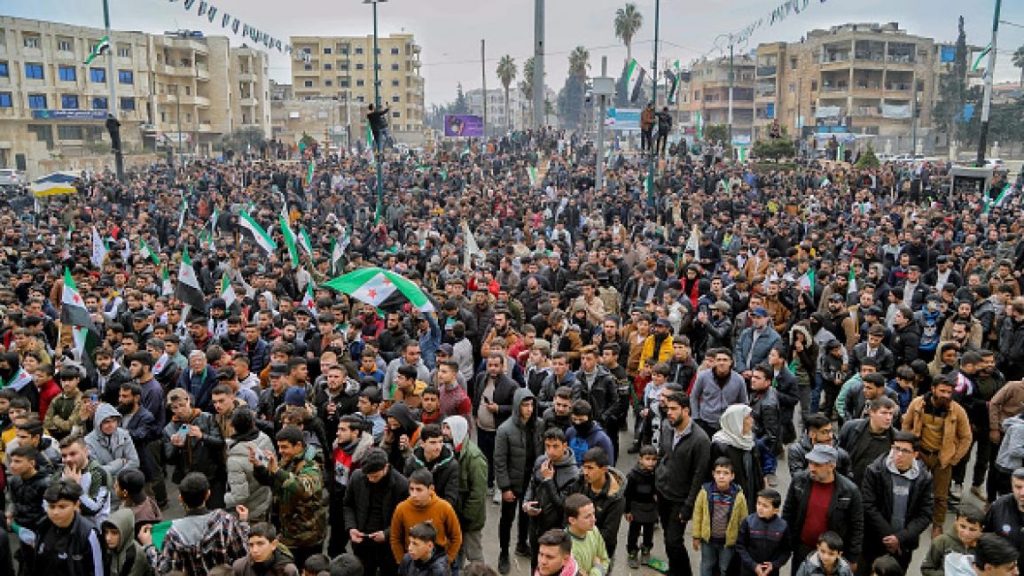
The Islamist-led government in Damascus has announced that all Syrians are welcome back, and a UNHCR survey earlier this year showed 30% of Syrian refugees now express interest in returning — up from just 2% under Assad.
UNHCR representative Ivo Freijsen in Lebanon told Reuters:“As conditions shift quickly in Syria, we view this as an opportunity for more realistic and sustainable return planning.”
As of June 30, 2025, over 628,000 Syrians have returned to Syria from neighboring countries — 191,000 via Lebanon — according to UN data.

Challenges Remain: War Damage and Security
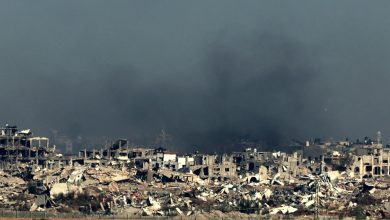
Despite the optimism, vast swathes of Syria remain devastated. Critical infrastructure — homes, power plants, schools, water systems — has been severely damaged or destroyed.
Moreover, over 7 million Syrians remain internally displaced, and security concerns persist, especially regarding detentions, reprisals, and unexploded ordnance.
While some returnees express hope, many remain hesitant about the short- and long-term stability in Syria.
In a new twist, despite refugee returns, over 106,000 new Syrian arrivals — many from the Alawite minority — have entered Lebanon in 2025, fleeing renewed violence along Syria’s coastal regions.
-
-
-

-
-
-