Coordinated Drone and Rocket Attacks Hit Critical Sites in Northern Iraq
Unknown-source UAVs and rockets strike Kirkuk, Salahaddin and Zakho as suspected ISIS sleeper cells exploit security gaps.
Watan News
Simultaneous drone and rocket assaults target oil refinery, airport and civilian areas in Kirkuk, Salahaddin and Zakho—military sources blame ISIS resurgence.
Watan-Early Tuesday morning, key civilian and strategic sites across northern Iraq—including in Kirkuk, Salahaddin and Zakho provinces—came under simultaneous rocket and unmanned aerial vehicle (UAV) attacks from an unknown source. While official security agencies have yet to comment, a senior Kurdish military commander attributed the incidents to Islamic State fighters, noting that the group tends to become active during periods of heightened tension.
More Than 10 UAVs Target Baiji Refinery
Adel Al-Daraj, the subdistrict governor of Baiji in Salahaddin province, confirmed that “the Baiji refinery was attacked by more than ten unmanned drones at dawn Tuesday.” He added that security and technical teams are “handling and containing the situation.” Local news outlets quoted him saying the strikes “caused no human casualties, and investigations are ongoing to identify the perpetrators and bolster protection of vital facilities.”
The federal Oil Ministry issued a statement assuring that “production activities at the Al-Sumoud refinery in Baiji continue uninterrupted,” and that the facility had not been damaged by any foreign objects falling inside or around its perimeter. The Ministry lauded “the substantial efforts of security forces in maintaining a safe operating environment,” and affirmed ongoing coordination to safeguard oil infrastructure.
Coordinated Drone and Rocket Attacks Hit Critical Sites in Northern Iraq
Kirkuk Airport and Military Base Shelled
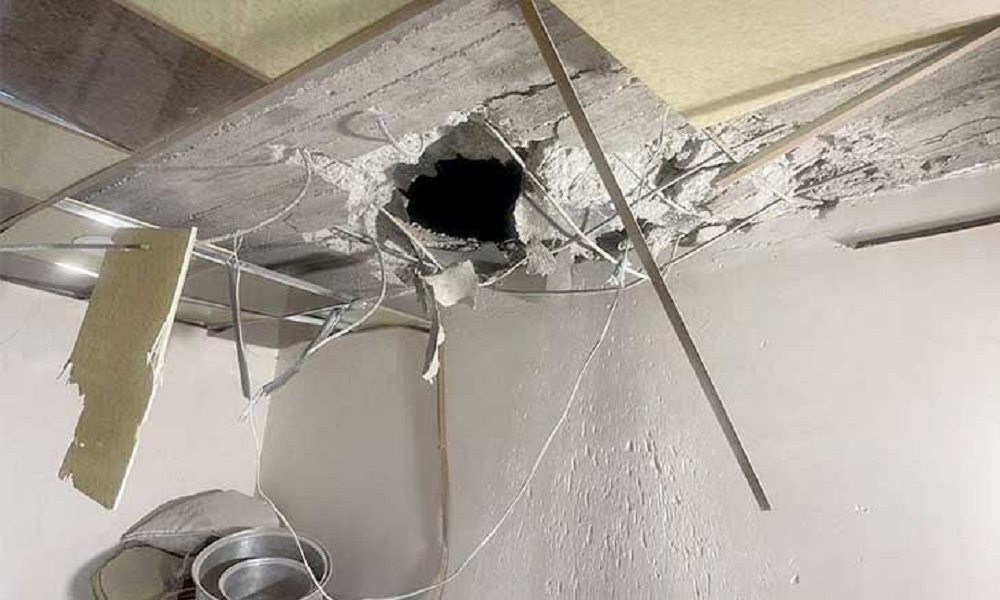
Kirkuk Governor Rebwar Taha reported that Kirkuk International Airport was struck by projectiles, prompting a heightened security alert at several critical installations in the region. He told journalists that “no direct human injuries occurred, and material damage was limited and quickly contained.” Taha noted the attacks followed a recent security operation that killed several ISIS militants on the city’s outskirts. He emphasized that “the situation is under control,” and that technical and security teams are investigating the type of ordnance used and the origin of the assault. A formal investigation committee will later reveal the full circumstances and responsible party.
Initial airport statements—later retracted—claimed three projectiles hit the facility at 11:30 PM Monday, with two landing in the military sector and one in the civilian zone, igniting nearby brush fires. First responders extinguished the flames, and airport personnel reported only one minor injury and no runway damage. A late-night press release, subsequently deleted for unclear reasons, asserted the airport continued normal flight operations. A follow-up statement clarified there was “no damage to any airport infrastructure,” and all scheduled flights proceeded punctually under ICAO safety standards.
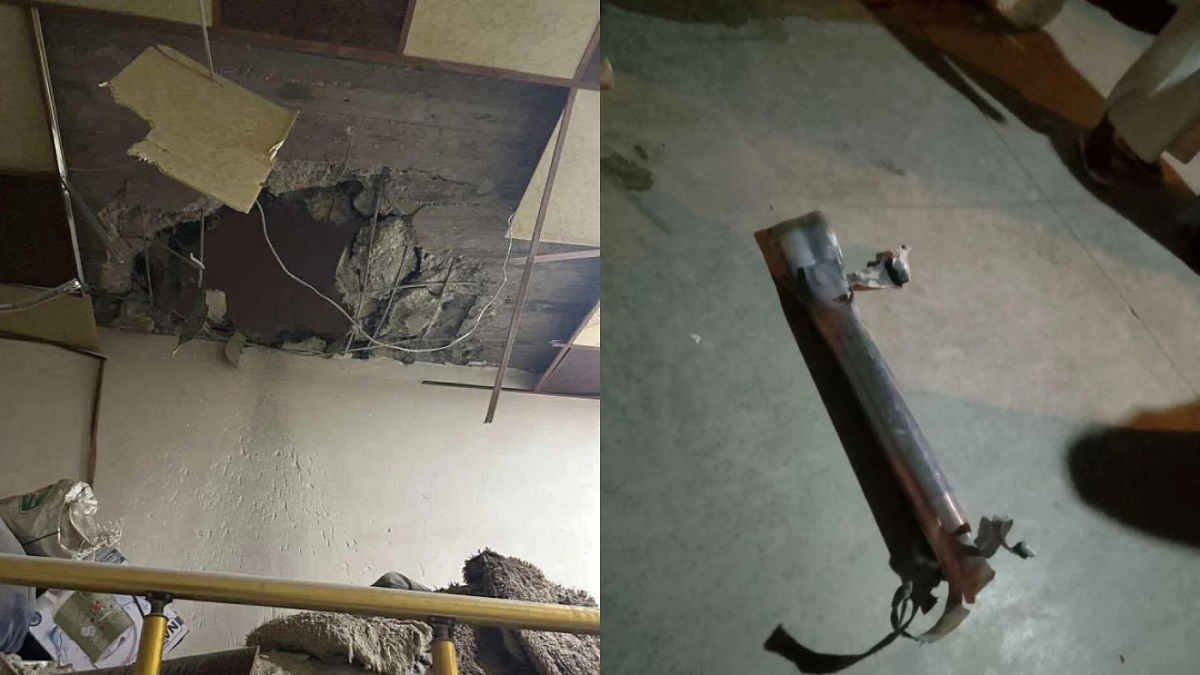
Nearby, two Katyusha rockets struck a military base—located in one of Iraq’s key disputed areas between Baghdad and Erbil—and a civilian home without causing fatalities. Security sources told state media that one rocket landed between the base’s first and second runways, and the other struck a residence in Kirkuk’s Al-Aruba neighborhood. Local footage showed minimal structural harm and interviews with the affected family.
Drone Incident in Zakho IDP Camp
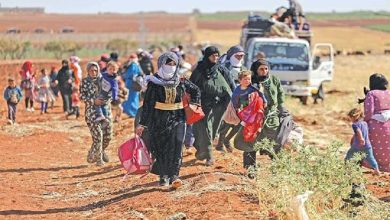
In Zakho district of Dahuk province, the Derkar IDP camp for Yazidi refugees witnessed an unknown UAV crash inside one of its schools, as captured on video.
Suspected ISIS Resurgence
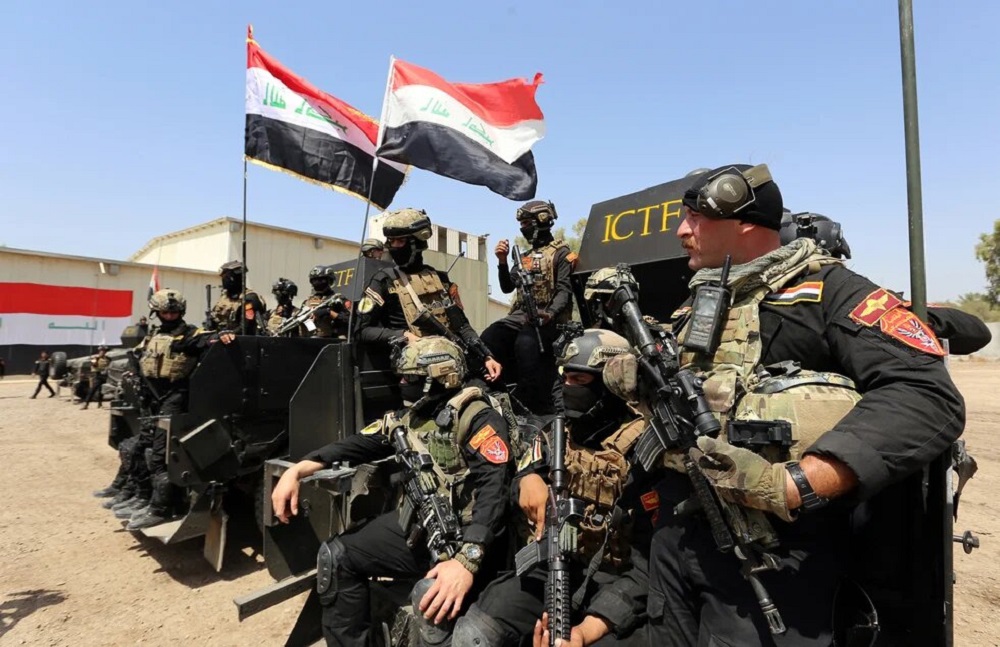
Brigadier General Abdul Khaleq Talat, the Kurdistan Regional Government’s representative to Iraq’s Joint Operations Command, linked the attacks to a recent uptick in ISIS activity. He stated the strikes came “concurrently with clashes between Iraqi forces and ISIS” around Baiji and Balkana, and that “indicators of IS movements have increased in recent days, especially in Daquq, Tuz Khurmatu and areas surrounding Kirkuk.” Security operations in early June reportedly killed three senior ISIS operatives, weakening the group but not eradicating it. Talat warned that ISIS “is exploiting current tensions to reactivate.”
Iraq Force
Local Political Response
A member of the Fatah Alliance, Uday Abdul Hadi, echoed the ISIS-responsibility hypothesis, noting that the group lost over 19 key leaders in Kirkuk and Salahaddin during the first half of 2025. He described the rocket attack on Kirkuk Airport as the work of a sleeper cell attempting to “confuse the security picture.” He added that the operation “failed to disrupt airport activity or alarm civilians, underscoring the security forces’ ability to trace and detain the perpetrators” and asserting that “ISIS is in its final days in these areas.”
As of this report, Iraq’s federal security agencies have not issued an official statement regarding the nature of the attacks or the extent of any damage.