Over 1.5 Million Muslims Arrive in Mecca as Hajj Begins Under Heat Precautions and Strict Security
Saudi Arabia enforces tighter regulations and AI-powered crowd control to prevent tragedies after last year’s deadly Hajj heatwave
Watan News
a has implemented strict regulations and advanced technologies to ensure safety amid extreme heat and crowd concerns.
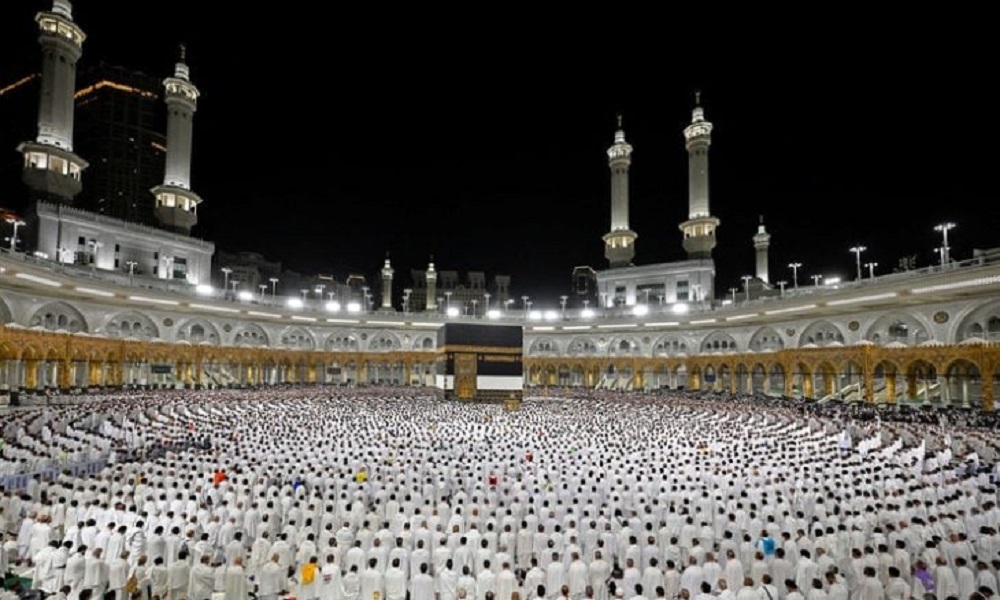
Watan-More than 1.5 million Muslims have arrived in Mecca, marking the official start of the Hajj pilgrimage on Wednesday, amid extreme temperatures and strict regulations to prevent irregular participation—measures aimed at avoiding a repeat of last year’s catastrophe, which claimed over 1,300 lives.
According to the Saudi Ministry of Hajj, over 1.5 million pilgrims from outside the kingdom are taking part this year.
Enhanced heat safety protocols have been implemented following last year’s deaths, when temperatures soared to 51.8°C. Iraqi pilgrim Alaa Al-Rifai recalled witnessing deceased pilgrims lying on the ground during his journey from the Jamarat Bridge. “The heat was unbearable last year, and people lay along the roads. This year, the roads are clear,” he noted.
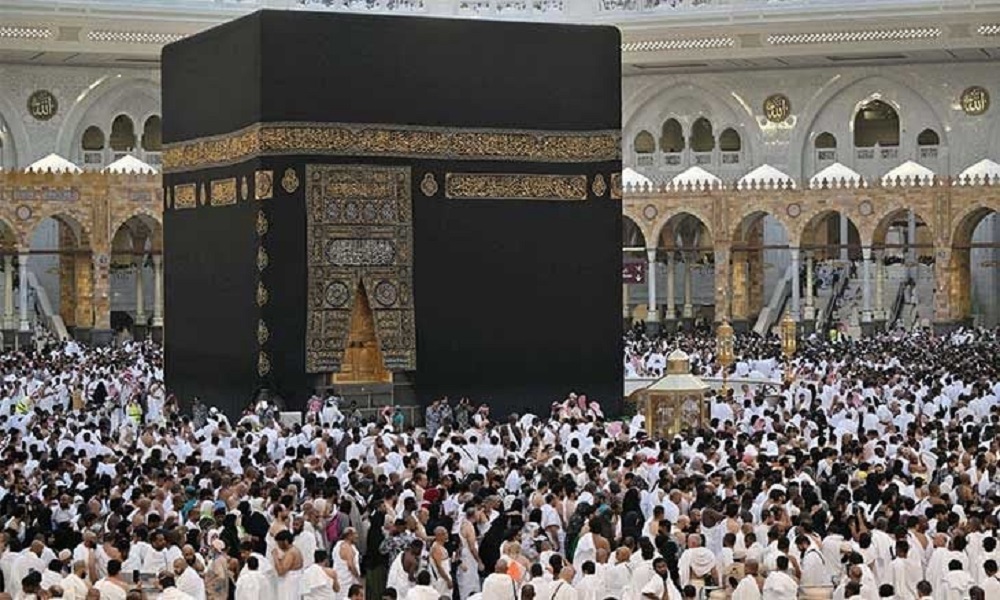
On Wednesday, Mecca recorded a temperature of 42°C, as pilgrims donned white ihram garments and began the ritual of Tawaf (circling the Kaaba seven times) in the Grand Mosque.
Hajj has seen multiple tragedies in past decades, the worst being in 2015, when a stampede in Mina claimed nearly 2,300 lives.
“It feels like you’ve disconnected from the world,” said Khitam, a 63-year-old Palestinian pilgrim from Gaza. “Before coming here, I used to watch the Grand Mosque on TV all day.”
“It’s a wonderful feeling,” added Reem Al-Shughri, a 35-year-old Saudi woman performing Hajj for the first time.
On Tuesday, pilgrims began arriving by bus in Mina, where they were greeted with dates and Arabic coffee. Ministry spokesperson Ghassan Al-Nouaimi said over one million pilgrims were expected in Mina by the end of the day.
New Safety Measures
More than 250,000 workers have been deployed across 40 government entities to help mitigate heat risks, according to Hajj Minister Tawfiq Al-Rabiah. These include 50,000 square meters of new shaded areas, over 400 cooling units, and thousands of medical staff.
Ibrahim Al-Muzaini, director of the “Al-Furqan” Hajj tours company, praised awareness campaigns and noted that most pilgrims this year stayed inside their tents rather than risking sun exposure.
The air conditioning system inside the Grand Mosque is now the largest of its kind globally, filtering air nine times a day. Authorities have also installed cooled pedestrian walkways, including a new 4-kilometer path leading to Mount Arafat.
Additionally, Saudi officials are using artificial intelligence to monitor and manage crowd flow through data analytics and footage from drones.
Most of last year’s fatalities were among unregistered pilgrims who lacked access to air-conditioned tents and transportation. Ahead of this year’s pilgrimage, authorities cracked down on unauthorized Hajj participation using drone surveillance, frequent raids, and mass text warnings.
Large billboards across Mecca now carry the message: “No Hajj Without a Permit.”
Hajj restrictions Saudi Arabia
Enforcement and Penalties
Hajj permits are granted via a national quota system and distributed through lotteries. High costs, however, often push some to attempt the pilgrimage without official authorization—risking arrest, heavy fines, and up to a 10-year entry ban.
Hajj has seen multiple tragedies in past decades, the worst being in 2015, when a stampede in Mina claimed nearly 2,300 lives.
The pilgrimage is also a major revenue source for Saudi Arabia, generating billions annually from Hajj and Umrah tourism linked to Islam’s holiest cities: Mecca and Medina.