
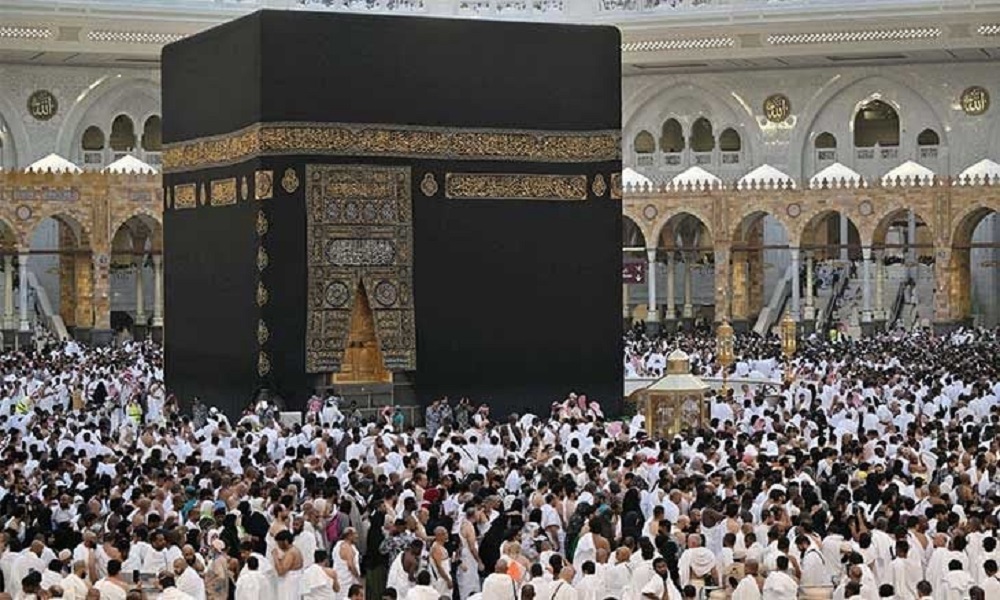
Watan-Saudi authorities are continuing to impose strict restrictions on the Hajj season, recently announcing financial penalties of up to 100,000 riyals (approx. $26,000), along with deportation and a 10-year ban from entering the kingdom for anyone performing Hajj without an official permit. The penalties also apply to those who assist unauthorized pilgrims—whether through transport, housing, or organization.
Although the kingdom justifies these measures as necessary to protect pilgrims and organize the rituals, criticism continues to mount regarding the real objectives behind such policies, especially amid widespread reports of a black market for permits and accusations of favoritism and corruption within the organizational system.
These decisions come as part of an economic vision led by Crown Prince Mohammed bin Salman, where Hajj and Umrah are increasingly viewed as massive investment opportunities generating billions of riyals through visas, hospitality services, transportation, and commercial contracts. Specific companies and influential royals dominate the Hajj campaign market, while official service prices continue to rise under the guise of “premium organization.”
من شعيرة إلى مشروع تجاري.. هل فقد #الحج قدسيته؟!#السعودية باتت تحتكر مقدسات المسلمين وتمنع الوصول إليها من خلال شروط مالية وأمنية مجحفة، وغضب يتصاعد من احتكار الشعائر وتهميش قدسيتها! pic.twitter.com/VtVAk2UrNB
— وطن. يغرد خارج السرب (@watanserb_news) May 1, 2025
On the security front, the kingdom has imposed tight control around the holy sites, with widespread surveillance cameras, checkpoints, and crackdowns on any form of protest—or even taking photographs. The recent case of a Turkish pilgrim being threatened for raising the Palestinian flag serves as a stark example of the militarization of sacred spaces, turning them into zones of total surveillance rather than free worship.
Recurring deaths each season due to overcrowding, poor services, and the lack of transparent investigations into these incidents continue to raise pressing questions about the kingdom’s responsibility and its fitness to manage this global Islamic ritual.
With Saudi Arabia monopolizing access to the holy sites and tying entry to stringent financial and security conditions, many are now asking: Is Hajj still a sanctuary “for all people,” or has it become a privilege for those who can pay—and stay silent?
-
-
-
-
-

-

