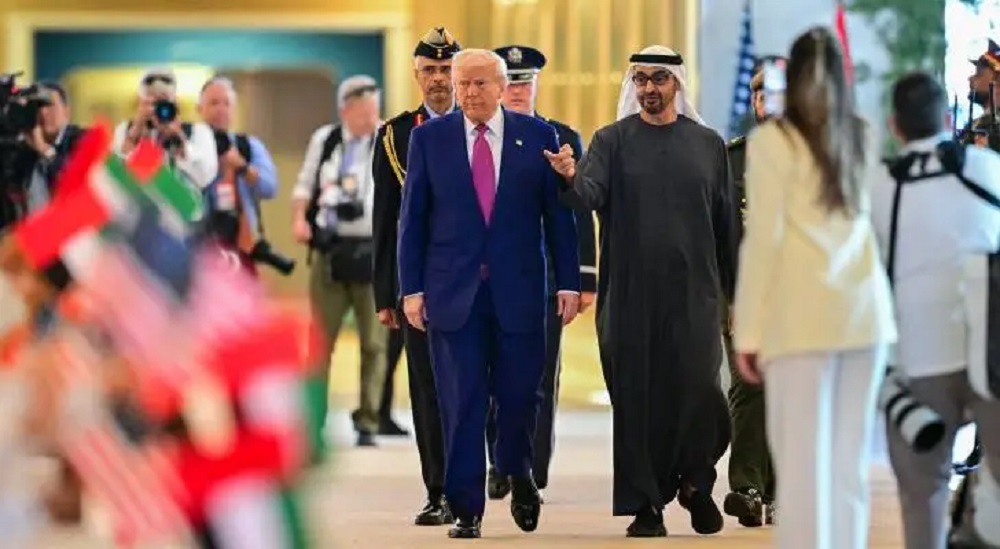
Watan-In a politically symbolic scene, billions of Emirati dollars have flowed into various sectors of the U.S. economy in recent weeks, presented as part of a frenzied Gulf race for influence and partnership with Washington.
But behind this apparent generosity, informed sources suggest it was more than mere economic competition — rather, a silent deal in exchange for a green light to resume a bloody project in Sudan.
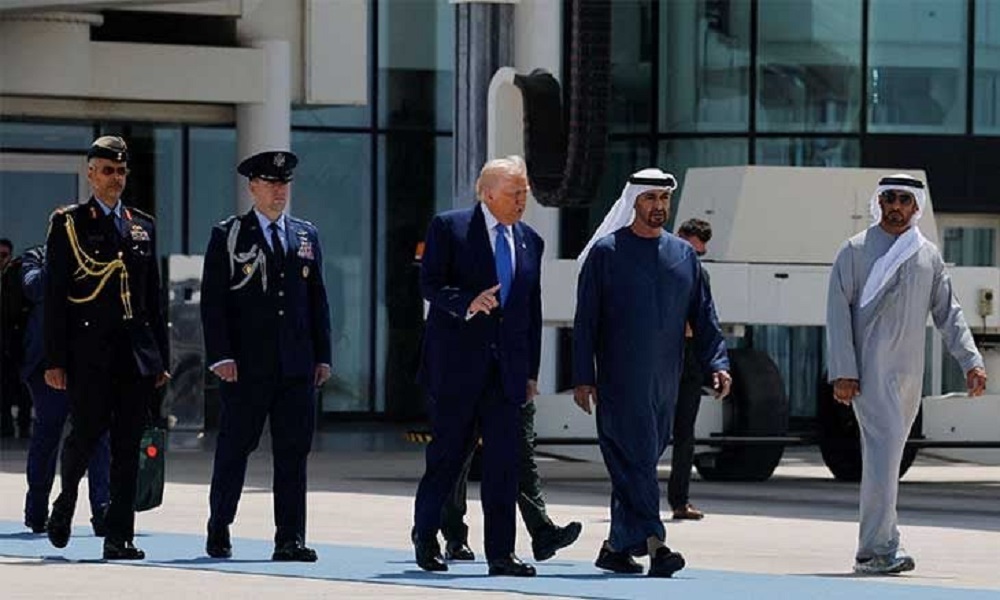
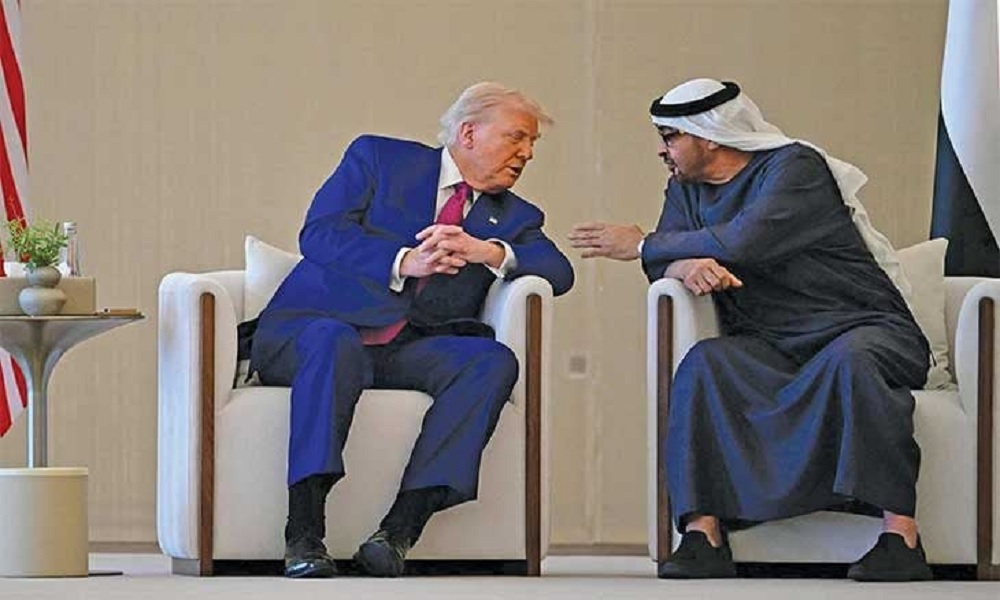
According to diplomatic sources, the arrangements were made during U.S. President Donald Trump’s official visit to Abu Dhabi, where he met with UAE President Mohammed bin Zayed.
An agreement was reached to inject billions into the U.S. economy quietly, in return for an implicit American promise to turn a blind eye to the UAE’s escalating role in fueling the Sudanese war — particularly its backing of the Rapid Support Forces (RSF) led by Mohamed Hamdan Dagalo “Hemedti.”

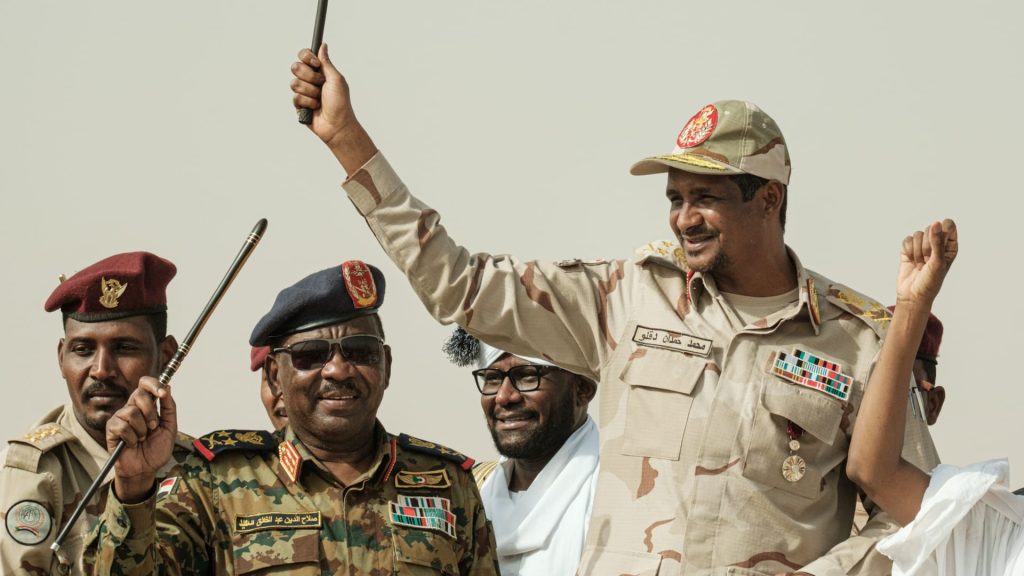
Sources say it was only days after Trump’s departure that drone strikes erupted in Omdurman, marking one of the fiercest escalation waves in recent months. Intelligence reports followed, pointing to renewed RSF armament — this time with advanced guidance systems and regional intelligence cover believed to originate from Abu Dhabi.
Observers emphasize that Sudan’s deterioration is not merely due to failed international mediation, but a direct result of “money-for-silence” deals that recycle themselves in every war. Bin Zayed didn’t just purchase U.S. goodwill — he bought time for a proxy war waged over Sudanese corpses.
Darfur, barely healing from past genocides, is once again a battlefield for political vendettas — a chilling signal that the war machine has been reignited with Emirati fuel and American political cover through silence.
Sudan is being pushed to the brink. The pattern repeats: financial investments cover war crimes, while international silence legitimizes chaos. The horror formula returns: money for silence, silence for devastation.
Meanwhile, the Financial Times reports that Sudan’s RSF has regained momentum in the civil war, thanks to sophisticated external support — allegedly from the UAE and China — after being ousted from the capital Khartoum months ago.

Recently, the RSF launched a wave of attacks using suicide drones and unmanned reconnaissance and combat aircraft targeting Port Sudan, the political and military stronghold of army leader Abdel Fattah al-Burhan.
These sudden and technologically advanced attacks have redrawn Sudan’s internal conflict map, demonstrating that the rebels now wield modern combat tools previously unavailable to them.
The drones reportedly used — Chinese-made CH-95 and FH-95 models — are capable of carrying guided missiles and conducting precise operations. Satellite imagery and recovered electronics at impact sites confirmed the analysis.
Security sources noted the drones’ range far exceeds typical remote control capabilities, suggesting satellite-guided systems. Munitions are believed to be of Emirati origin, despite Abu Dhabi’s repeated denials of involvement.
These developments come shortly after the Burhan government severed diplomatic ties with the UAE, directly accusing it of arming and systematically supporting the RSF.
Sudan’s foreign ministry announced that Abu Dhabi has become an active belligerent in the war by offering organized logistical and military support to Hemedti’s rebel forces.
In a striking development, military sources in Port Sudan revealed that Sudanese forces shot down a military cargo plane attempting to land at Nyala Airport in South Darfur — believed to be carrying weapons for the RSF.
The aircraft’s destruction resulted in the death of several “foreign advisors,” further intensifying suspicion of regional involvement in guiding rebel military operations.
This incident coincided with a notable surge in RSF precision strikes targeting military installations, Port Sudan airport, and fuel depots — reportedly executed by advanced drones operating beyond visual range, indicating comprehensive foreign technical and operational support.
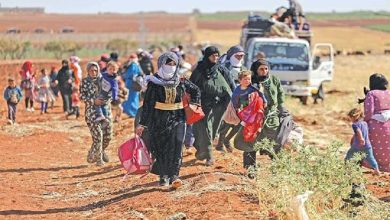
All this unfolds amid an unprecedented humanitarian crisis. Since the war erupted in April 2023, more than 150,000 people have been killed, and over 12 million displaced internally and abroad, according to UN agencies. Sudan now faces the threat of famine and the total collapse of its healthcare and administrative infrastructure in several regions, with no political resolution in sight.
Human rights organizations warn that continued weapons flow to one side of the conflict — backed by regional states — violates the UN arms embargo and prolongs a war that has torn Sudan apart and deepened its structural and political crises.
-
-
-

-
-
-