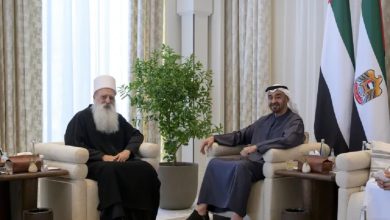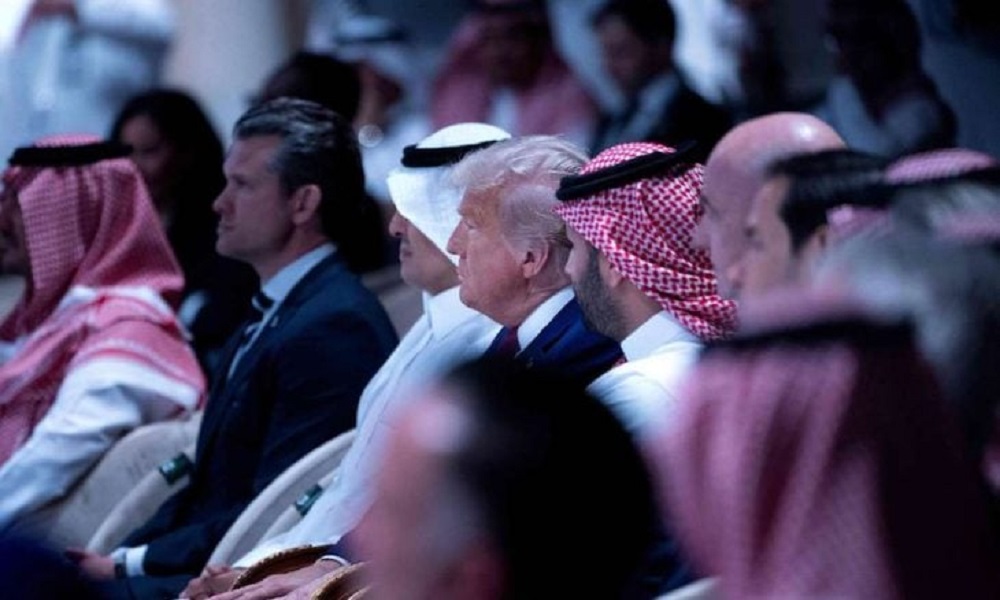
Watan-Politico magazine published a report by journalist Nahal Tosi, covering U.S. President Donald Trump’s visit to the Middle East, noting that the region’s dynamics are shifting from Israel-centric to favoring certain Arab states.
The author points out that Israelis are beginning to realize that they lack the tangible economic benefits enjoyed by Gulf states, which affects their relationship with a president like Trump, who views matters through the lens of money and deals.
While previous U.S. presidents offered unconditional support to Israel, Trump came with a transactional approach, dominated by corruption, especially in his second term, where he seemed more interested in striking deals, whether to improve the U.S. economy or achieve personal gains related to his family.
Countries like Saudi Arabia, Qatar, and the UAE have pledged billions in investments in the U.S. economy, allowing their companies to strike deals with firms linked to the Trump family, alongside purchasing massive quantities of U.S. weapons. On Tuesday, Saudi Arabia alone committed $600 billion in investments in the U.S., with $142 billion allocated for weapons deals.

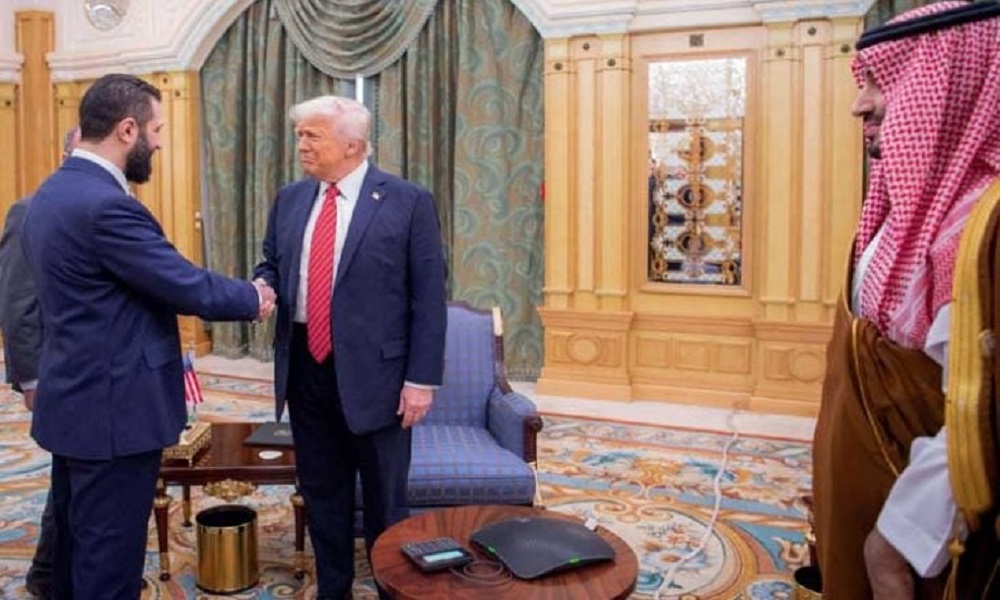
In contrast, Tosi notes that Israel depends on U.S. taxpayer money to purchase weapons and finds itself forced to negotiate new military aid agreements. Lacking oil wealth, its resources are limited, compounded by the expensive war in Gaza that has claimed tens of thousands of lives—a conflict Trump aims to end. When Tosi asked Israeli officials how they reconcile what the Gulf countries offer to the U.S., the answer was simply: “Nothing.”
Despite Israel’s visible power, including political ties in Washington, security cooperation, technological collaboration, and a long history of partnership, it lacks a means to effectively influence Trump, especially given its ongoing need for support. Israeli analyst Shira Everon commented, “Trump cares about Trump and America first, right?” adding that the economic dimension is just one aspect of the U.S.-Israel relationship. She continued, “Trump visits Arab countries that treat him like royalty—there’s a golf course, a hotel, a plane—and the question is: when will these countries use their economic leverage to pressure Israel on Gaza and Iran, and achieve regional stability?”
The report also mentions Israeli Prime Minister Benjamin Netanyahu’s growing awareness of the increasing influence of Arab nations. On Monday, it was leaked that he told Knesset members Israel must reduce its reliance on $4 billion in annual U.S. military aid. This position could please Trump and ease pressures within the Republican Party, which is dissatisfied with the U.S.’s generosity toward Israel.
Trump and his supporters advocate for allies to contribute more to their own defense. Netanyahu’s remarks come as Washington and Tel Aviv begin discussions about the future of a decade-long military aid agreement set to expire in 2028. Former U.S. Ambassador to Israel, Dan Shapiro, noted that Israeli officials must prepare for “more contractual negotiations, focusing on what Israel can offer the U.S.”

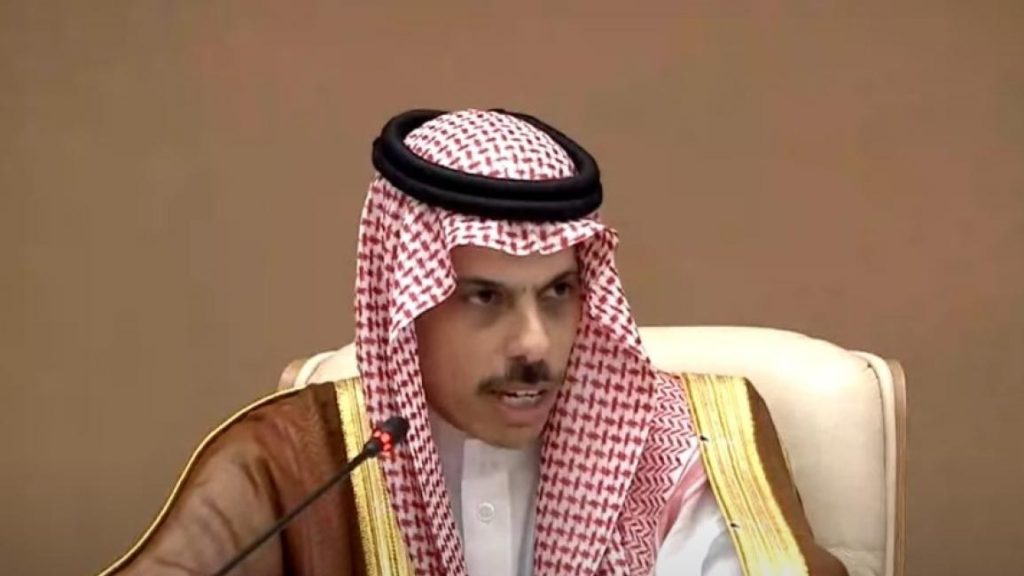
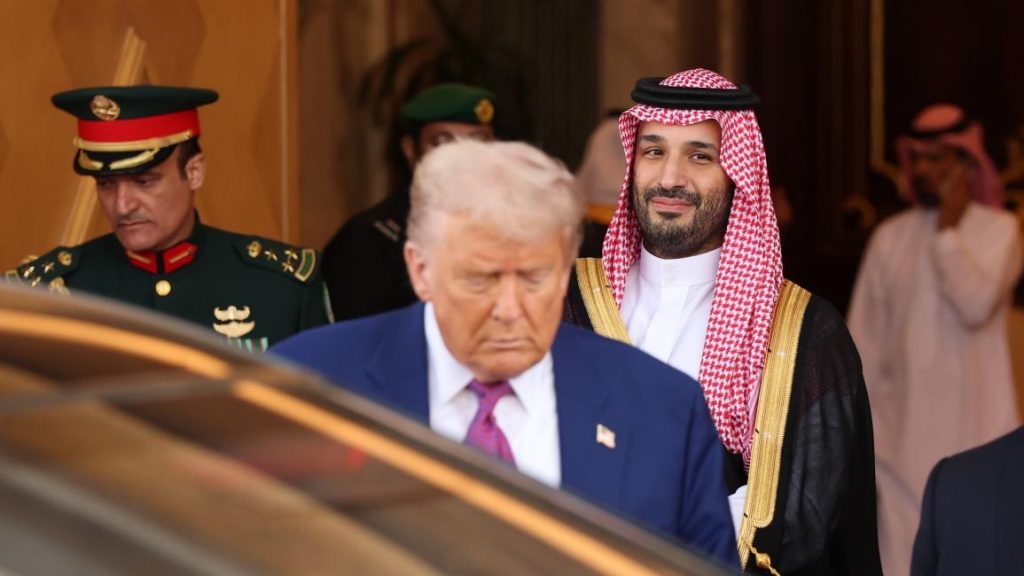
In another sign of this shift, Israeli Foreign Minister Gideon Sa’ar announced it’s time for Israel to establish better ties with the new Syrian leadership—a change favored by several Arab states. Trump announced on Tuesday his intent to lift U.S. sanctions on Syria, partially to please his host that day, Saudi Crown Prince Mohammed bin Salman, saying, “Oh my God, what am I doing with the crown prince?”
Trump’s warm welcome this week in the Arab world contrasts with the modest accommodations he was offered during his Israel visit, not to mention the lavish Gulf hotels. However, the U.S.-Israel relationship is facing deeper tensions, especially between Trump and Netanyahu. In his first term, Trump made decisions that pleased Netanyahu and the Israeli right-wing, but this time, his actions have caused displeasure.
Among those decisions were opening negotiations with Iran instead of backing Israel’s plans to destroy its nuclear facilities, halting the military campaign against the Houthis despite their attacks on Israel, releasing Israeli-American prisoner Edan Alexander, and even suggesting cooperation with Saudi Arabia on a civil nuclear reactor, even without it joining normalization agreements.
It is notable that Trump’s recent tour, his first since taking office, did not include Israel. Reports indicated that one of Trump’s envoys told the families of hostages that Netanyahu’s government was unwilling to end the war in Gaza, despite Trump’s desire for a ceasefire and the release of prisoners.
Despite talks of a rift between Trump and Netanyahu, the White House denies any tension. National Security Council spokesperson James Hewitt remarked, “Israel has never had a better friend than President Trump.” The Israeli embassy in Washington also affirmed that the relationship “is based on shared values and commitment to regional and global stability.”
Since his return to the White House less than six months ago, Trump is viewed as a volatile figure, unpredictable in his actions, with positions that could shift considerably in the coming months. Israel could strengthen its relations by increasing intelligence and security cooperation or pledging to increase future military spending on U.S. defense companies, particularly in missile defense, like the Iron Dome program, in line with Trump’s ambitions to build a similar defense shield in the U.S., as suggested by Rob Satloff, executive director of the Washington Institute for Near East Policy.
Currently, Israel’s establishment is anxious, feeling unable to influence Trump. Tosi points out that if Biden had made the same recent decisions as Trump, Israel would have responded with widespread anger, accusing him of being anti-Israel, but Trump is different, especially since Netanyahu built strong ties with Republicans, at the expense of Democrats, and does not want to end up humiliated like Ukrainian President Volodymyr Zelensky. There are private discussions within Israel criticizing Trump, but these are kept hidden due to the potential consequences.
Netanyahu remains constrained by domestic policies and his personal ambitions to stay in power, avoiding prosecution on corruption charges. This means he is balancing the demands of his far-right coalition partners, who want to take control of Gaza, expel its 2.2 million residents, and annex the West Bank.
So far, Netanyahu has gone along with the far-right’s demands, particularly in continuing the war in Gaza. However, some analysts suggest that Trump may have unintentionally increased the pressure on him by proposing the idea of expelling Palestinians and turning Gaza into an American tourist destination—a concept that excites Israel’s far-right, which is pushing Netanyahu. While countries Trump visits enjoy significant financial leverage, Israel complains about the growing demands, which annoys Trump.
The magazine ends with a sarcastic remark from an analyst: “Stop bothering us,” referring to Israel’s position. Reports indicate that ending the war could have earned Netanyahu points with Trump, with some joking that a ceasefire could win Trump a Nobel Peace Prize.
-


-

-

-

-

-