
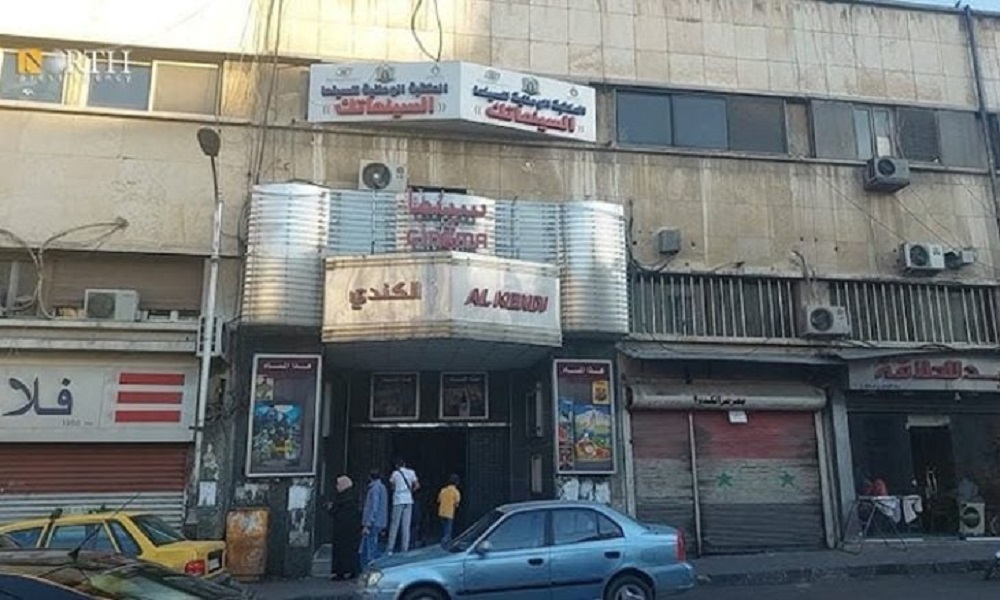
Watan-A decision by Syria’s Ministry of Religious Endowments to vacate a historic cinema building in the capital, Damascus, has stirred widespread backlash on social media. Activists have called for a protest sit-in on Friday evening, amid growing fears that the authorities may impose further restrictions on artistic and cultural activities.
On Thursday evening, the Damascus Endowments Directorate issued an official letter demanding that the heirs of the leaseholders of Al-Kindi Cinema vacate the property within one week.
The order stated: “The lease of Al-Kindi Cinema is terminated… for an annual rent of $30 for a space exceeding 700 square meters.”
The directorate explained that it plans to “rehabilitate the property into a cultural center that radiates knowledge and science.” However, many expressed fears that the move might be a prelude to tighter government control over cultural spaces in favor of religious and proselytizing activities.
The decision sparked mixed reactions. Some considered it a justified legal and financial correction in favor of the Endowments, while others viewed it as a threat to the cultural memory of the city.
Artists and writers took to social media, calling for a sit-in protest on Friday afternoon. They argued that converting the cinema into a “cultural center” erases part of Damascus’s cultural identity and threatens public spaces for the arts.
Writer Ammar Al-Maamoun sarcastically commented on the decision, saying:“After the ruqyah (Islamic exorcism) courses, the Ministry of Endowments decided to turn Al-Kindi Cinema into a cultural center,” adding, “Isn’t cinema also light, color, and moving bodies?”

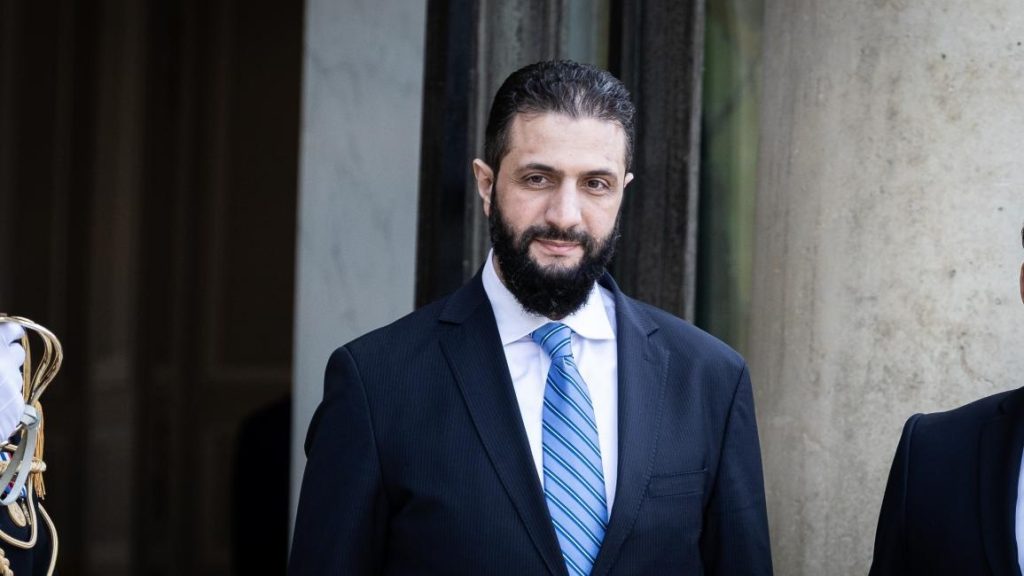
On the other hand, some defended the decision, pointing out that the symbolic rent does not reflect the true market value of the property. They emphasized that many old Endowment contracts were rife with corruption and bribery, and noted that the cinema had been closed and neglected, no longer aligned with the current cinematic movement.
The cinema building is located in Damascus’s commercial and cultural heart, near the famous Havana Café, the historic Hijaz Railway Station, and the Halabouni book market, along with several other historic cinemas.
Al-Kindi Cinema was established in the 1960s, in an area that once thrived with publishing houses, libraries, and artistic activity. In recent years, however, it has become semi-abandoned, hosting only occasional cultural events.
This decision comes during a transitional phase in Syria following the fall of the Assad regime, amid rising concerns over the increasing influence of conservative religious ideologies that may shrink the already narrow margin for artistic and cultural freedoms.


Since the regime’s fall, most regular artistic events at the Damascus Opera House have ceased, including theater, music, and contemporary dance performances. Only two musical concerts have been held, while the venue has since been used primarily for religious events and official celebrations.
Public anxiety has increased in the capital following a wave of assaults on nightclubs and recreational venues, along with violations of personal freedoms by security personnel or unofficial groups. Authorities, however, continue to describe these incidents as “isolated personal acts.”
-
-
-
-

-

-

