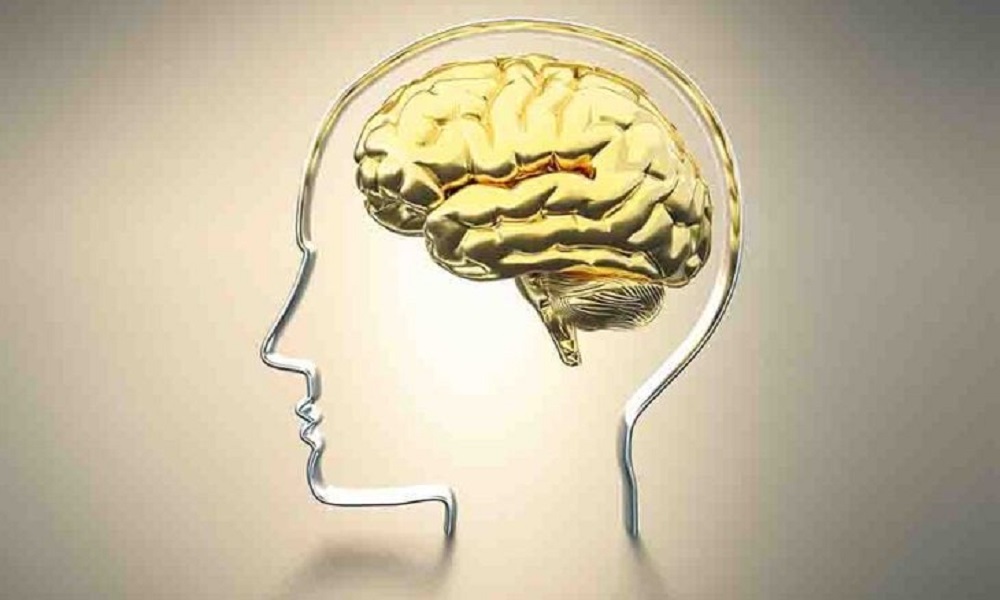
Watan-This week, the conference halls of the Palace of Nations in Geneva were unlike any other conference venue. At the 2025 AI for Good Summit, the crucial question wasn’t about machine capabilities—it was about human minds. How do they think? How is the desire to move encoded into neural signals? Could those signals transcend the body to operate a chair, type a message, even speak a dream?
In one corner of the summit, scientists packed into a workshop on Brain-Computer Interfaces (BCIs)—a crossroads of science, technology, medicine, and human hope. No longer sci-fi fodder of the ’90s, BCIs now reshape lives, transforming the relationship between mind and machine.
Think… then Act – Without Moving a Muscle
Imagine a quadriplegic patient who cannot lift a finger, yet raises a robotic arm purely through the power of intention. Or consider an assembly-line worker wearing a neural headset that detects fatigue and automatically pauses machinery before accidents happen.
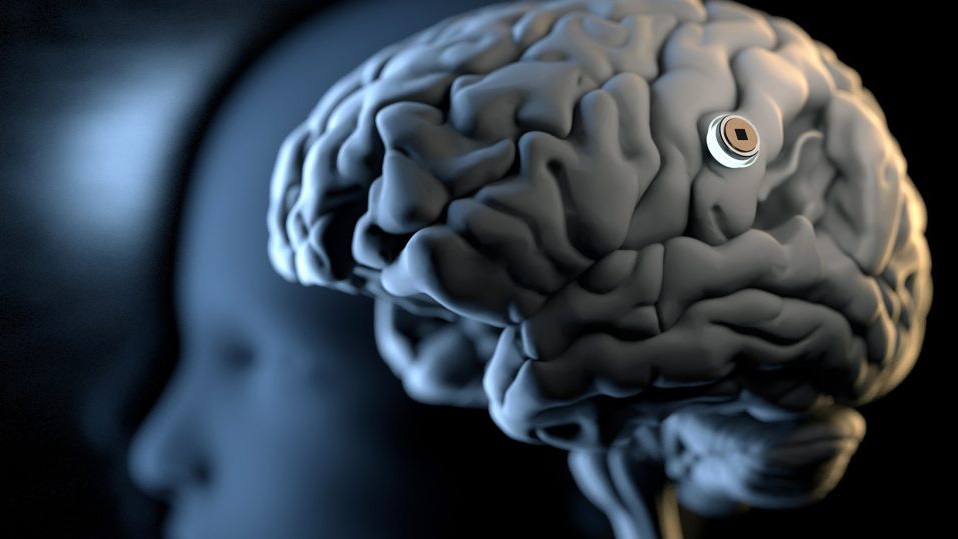
Between thought and action flow invisible neural signals once undetectable—now harvested, translated, and executed. BCIs don’t wait for speech or movement; they turn brainwaves into digital commands that power external devices: prosthetic limbs, control systems, speech tools for non-verbal individuals. It’s a neural revolution that reads intent, not words.
China Leads on BCI Standards
At the Summit’s core, a workshop led by China’s CAICT under ITU spotlighted BCI safety and global application standards. On July 9, 2025, delegates sought a global roadmap: How do we develop BCIs responsibly? Ethically? Technically? How can they be tools of empowerment—not surveillance?
The message was clear: Before these interfaces enter daily life, we must agree on the rules.

From Rehab to Industry to Education
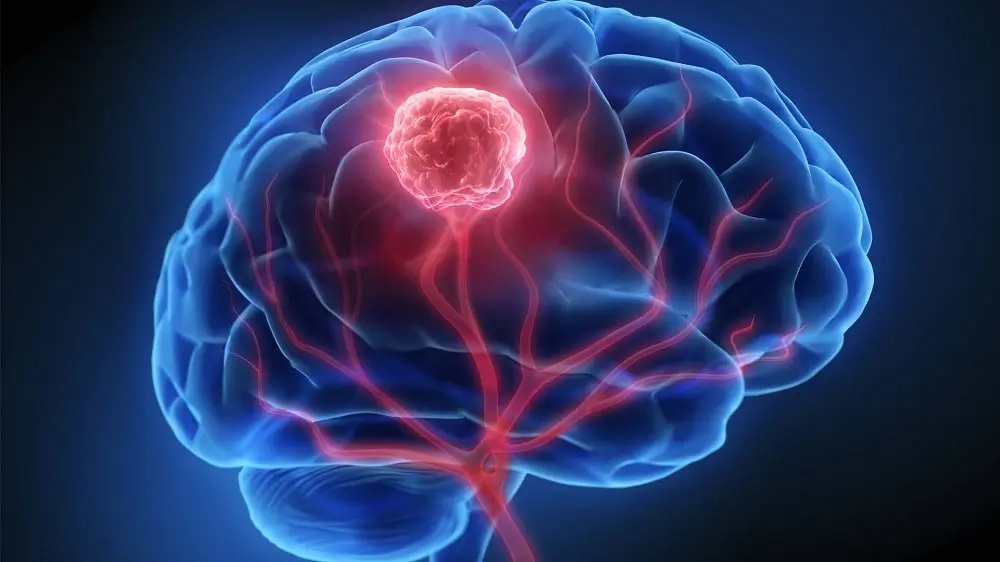
BCIs are far from theoretical. In neurorehabilitation, stroke survivors and neurological patients are retraining their brains, regaining movement they thought lost.
In industries like aviation and nuclear energy, BCIs monitor mental fatigue—sending alerts before errors become disasters.
In inclusive education, they give children with disabilities a voice—transforming thoughts into speech, opening doors previously sealed.
From healing to safety to learning, BCIs weave hidden ties between mind and world—redefining ability.
Hawking’s Legacy: Silent Speech Made Real
British physicist Stephen Hawking, silenced by ALS, communicated through a primitive neural interface that tracked eye movement and facial muscle twitches. While not a full BCI, his device was a technological and moral forerunner—proof the mind alone can speak.
Hawking’s legacy reminds us: Thought needs an outlet, and even a silent mind can reshape the world.
The Danger of Mind Surveillance
But with power comes peril. Who protects the brain when it opens up? If we can decode signals before they become words, who guards our neural privacy?
Geneva’s optimism turned into caution. BCIs may heal—but they may also let institutions or governments intrude on inner intentions. How do we ensure voluntary consent? Can data be harvested without our awareness? Digital privacy is already under threat—what about privacy of thought?
Experts at the summit demanded global ethical and legal frameworks before it’s too late.

A Future Between Healing and Control
Will we allow this technology to amplify dignity and autonomy? Or slide into surveillance and control?
The answer isn’t written—yet in halls like Geneva’s, where ethics meet innovation, the seeds of our future are planted.
Because if the mind becomes a platform, how we choose to speak it matters.
-

-

-

-

-

-