
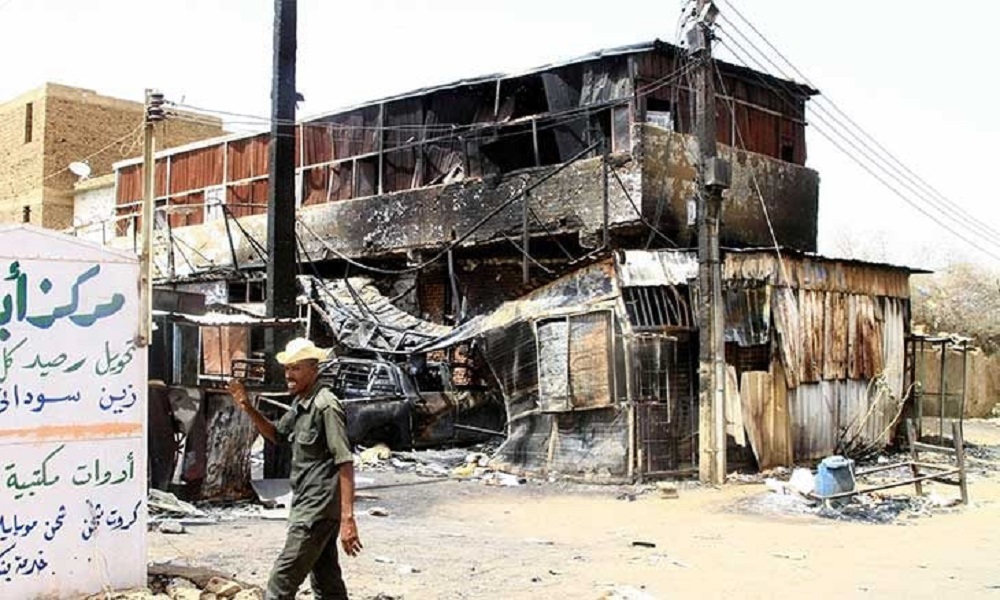
Watan-While military operations continue to escalate in El Fasher, the capital of North Darfur State, following the collapse of a proposed humanitarian truce, tribal clashes between the Kababish and Hawaweer tribes in Al-Dabba, a city in Sudan’s Northern State, have resulted in deaths and injuries. The state government announced it had regained control and extended the curfew, affirming it has begun holding all those involved accountable.
Northern State Governor Abdel Rahman Abdel Hamid issued Emergency Decree No. 5 for 2025, amending curfew hours for individuals and vehicles in the Al-Dabba locality.
The new curfew will run from 6 PM to 5 AM and applies within the geographical boundaries of Al-Dabba starting July 5th. Violators will be penalized under Emergency Decree No. 5 of 2023.
The governor, accompanied by the state’s Security Committee, visited Al-Dabba to inspect the security situation on the ground after the tribal clashes.
Previously, security authorities in Northern State reported that four people were killed and others injured in armed clashes in Al-Dabba. According to the Security Committee, the incident began as a limited skirmish between two local groups, which escalated into a full-blown armed confrontation, causing chaos in the city.
The military intervened to separate the parties and established a tight security cordon around all entrances, exits, and main streets. Authorities urged citizens not to believe or spread rumors that might destabilize the region.
They also confirmed that “rogue elements” will be prosecuted under the law, and that security forces remain on high alert to monitor further developments.

Al-Dabba is located approximately 350 kilometers north of Khartoum, Sudan’s capital. It has become a key military zone in recent months, having witnessed several attempted incursions by the Rapid Support Forces (RSF).
The locality borders North Darfur State, where fierce battles continue between the Sudanese Army and the RSF over control of the Darfur region in western Sudan. In June, the RSF announced control of the border triangle area in Northern State, near Al-Dabba, which borders Egypt and Libya.
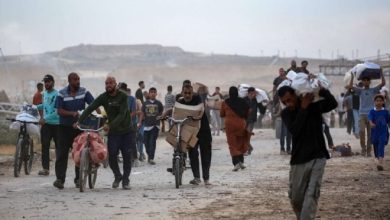
In El Fasher, the capital of North Darfur, heavy fighting continues amidst a deeply complex humanitarian crisis. On Sunday, the city witnessed intense artillery exchanges between the Sudanese Army and the RSF, while RSF drones were spotted flying overhead as battles raged on and humanitarian conditions deteriorated.
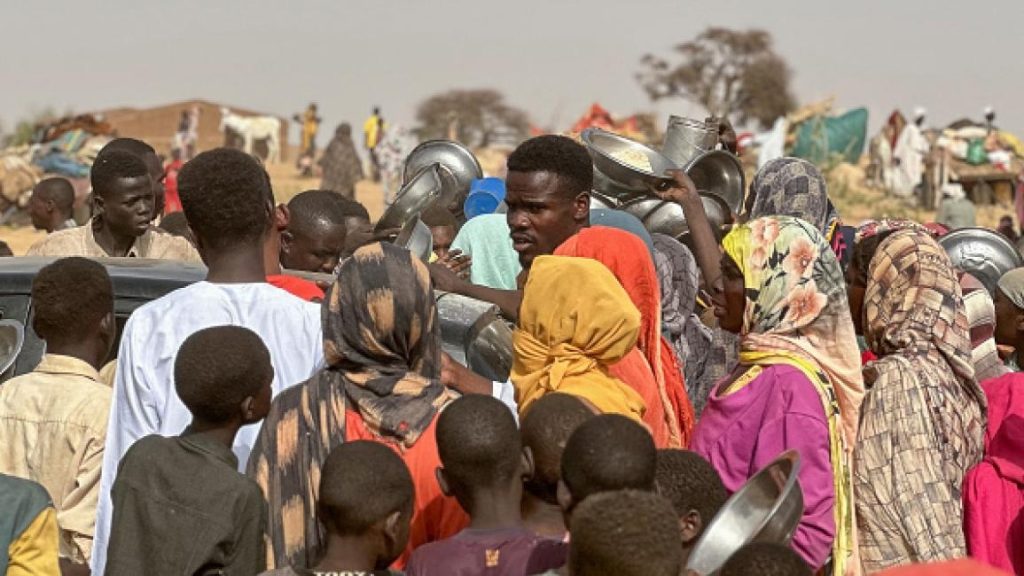
The World Food Programme (WFP) recently warned of a worsening humanitarian disaster in the city. Residents of El Fasher are facing severe hunger due to the ongoing siege imposed by the RSF. The agency said it managed to reach over 5 million people across Sudan during June alone, but millions more remain in critical need, especially in El Fasher and Kadugli, the capital of South Kordofan, both under siege.
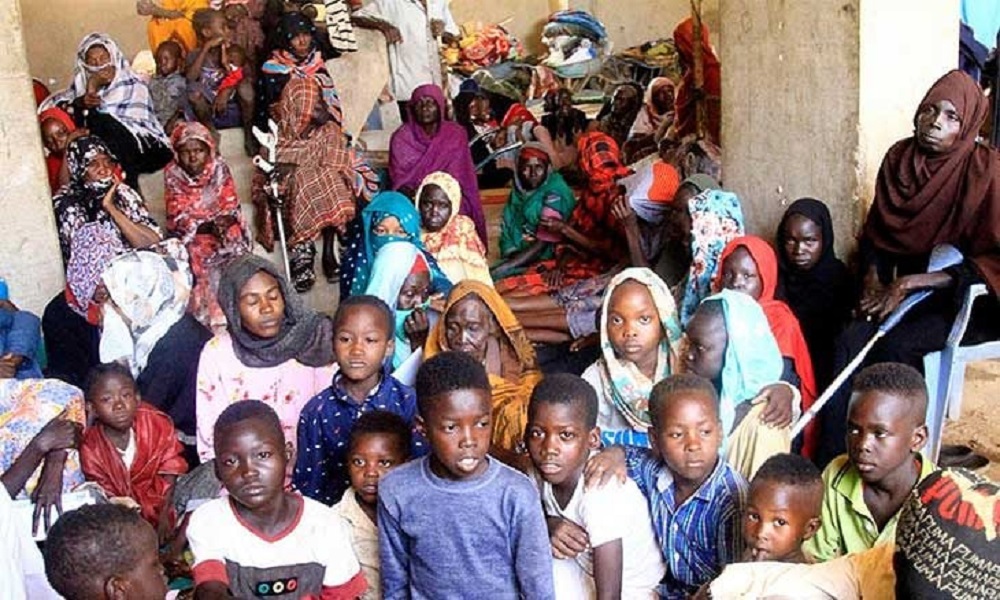
The WFP emphasized the urgent need for safe humanitarian access, security guarantees, and emergency funding.
Last Monday, the program warned that food assistance to Sudanese refugees in neighboring countries could be cut off entirely due to funding shortages. Aid may cease completely in Central African Republic, Egypt, Ethiopia, and Libya, while rations are already being reduced in Uganda and Chad.
The agency called on the international community to provide more than $200 million to sustain its emergency operations for refugees, in addition to $575 million needed for operations inside Sudan. It stressed that aid alone is not enough, urging a swift political response to end the war.
-
-
-
-

-

-

