
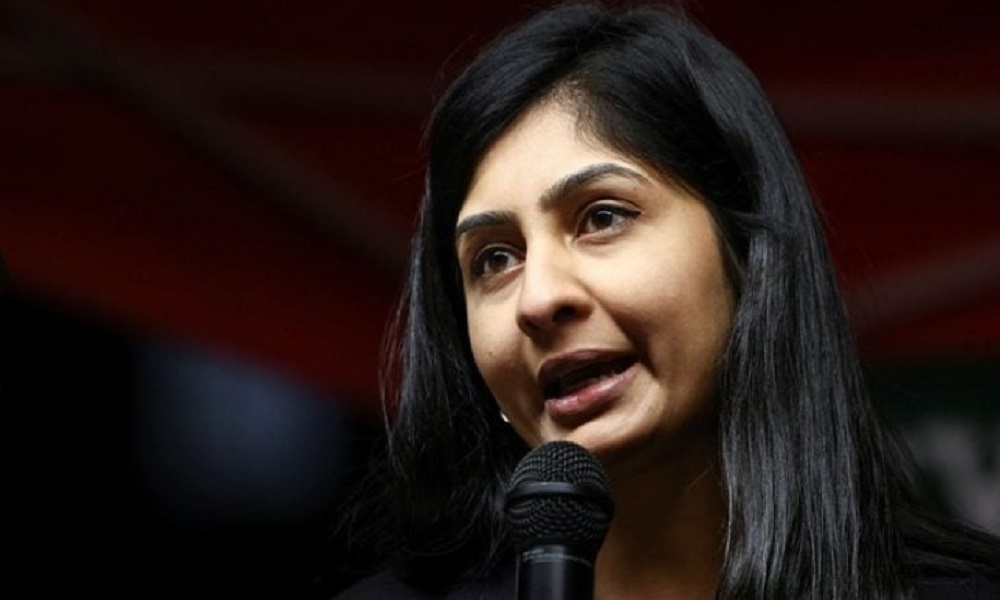
Watan-Zarah Sultana, the Labour MP for Coventry South, announced on Thursday her resignation from the Labour Party and her decision to join former Labour leader Jeremy Corbyn, now an independent MP, to lead a new political movement.
In her resignation statement, Sultana said:“Today, after 14 years, I resign from the Labour Party.”
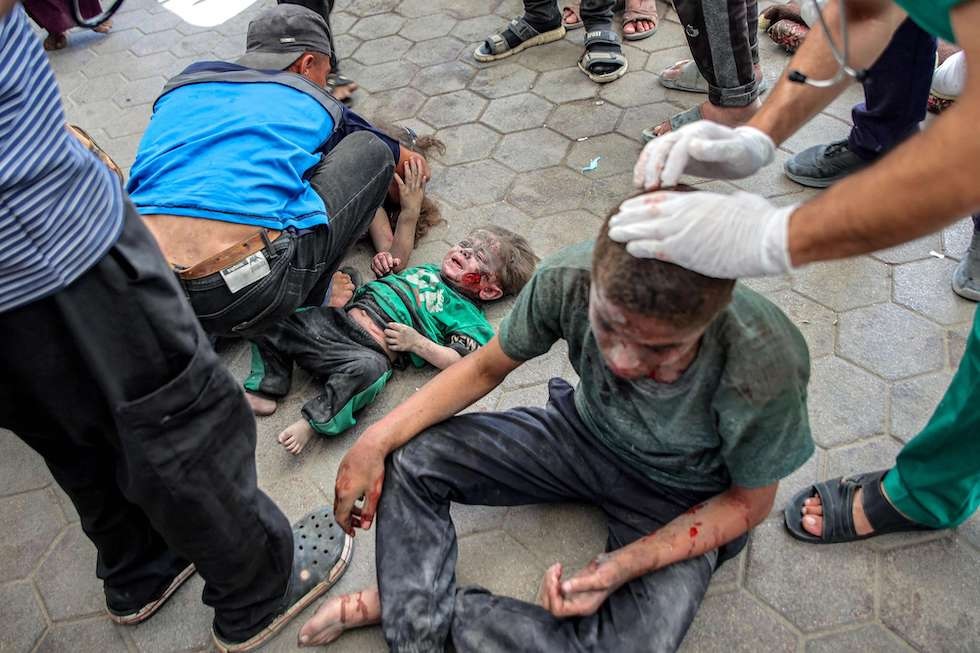
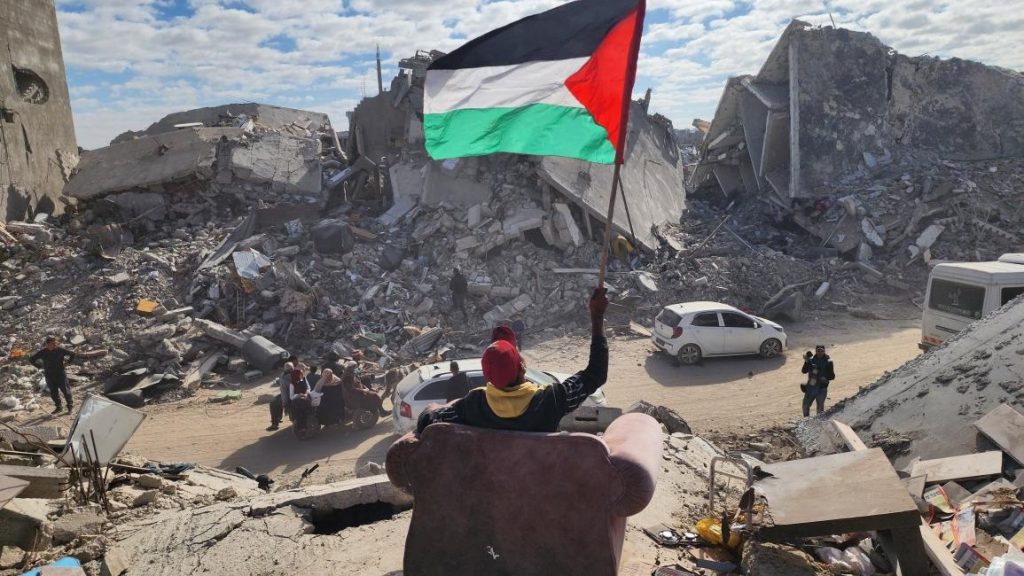
The reason behind her decision, she explained, was Labour’s support for Israel’s war on Gaza.“This government is an active participant in a genocide that the British public opposes,” she stated.
Sultana has long been critical of Labour’s economic, military, and political ties with Israel. She accused the political establishment of smearing “those with a conscience” who oppose the war and branding them as terrorists—a reference to Parliament’s recent vote to ban Palestine Action as a terrorist group.“We can’t take this anymore. We’re not strangers on an island—we’re an island in pain,” she declared, adding that the next general election will be a choice between socialism or barbarism.
A New Left-Wing Alliance with Corbyn
In an interview with The Guardian, journalist Aletha Adu revealed that Sultana intends to co-lead the new party or independent alliance alongside Corbyn. However, no formal structure or leadership has been finalized.
The 31-year-old MP described Westminster as “broken,” claiming that both major parties offer nothing but “managed decline and broken promises.”“The billionaires have three parties fighting for them. It’s time the rest of us had one too,” she added.
Her surprise announcement reportedly caught some allies off guard and exposed divisions over strategy. Corbyn, while open to building a more structured left-wing platform, has not yet confirmed the launch of a formal party and prefers collective leadership.
At age 76, Corbyn remains cautious about leading the new initiative, concerned that early hierarchy could fracture the fragile coalition he’s been nurturing for over a year.

Background on Sultana and Corbyn’s Break with Labour
-
Zarah Sultana was first elected in December 2019.
-
She has served as an independent MP since September after being disciplined by Labour for voting to scrap the two-child benefit cap.
-
She also voted against cuts to winter fuel payments and criticized welfare cuts targeting disabled citizens.“I would do it again,” she said in her statement.
Meanwhile, Jeremy Corbyn led Labour from 2015 to 2020 before being suspended over his response to antisemitism allegations. He retained his seat in Islington North as an independent in the last election.
A Growing Left-Wing Parliamentary Bloc
The new alliance already includes five independent MPs—the same number as Reform UK and the Democratic Unionist Party (DUP), and more than the Greens or Plaid Cymru.
Other MPs in the Corbyn-aligned bloc include:
-
Shaukat Adam (Leicester South)
-
Ayoub Khan (Birmingham Perry Barr)
-
Adnan Hussain (Blackburn)
-
Iqbal Mohammed (Dewsbury and Batley)
All defeated Labour candidates over the party’s stance on Gaza.
What Comes Next?
Corbyn has said that any future party would focus on anti-poverty, anti-inequality, and a foreign policy rooted in peace.
He stated on ITV’s Peston program that talks are ongoing and that a “united alternative” may emerge. At a leftist gathering called “The Collective” last September, Corbyn expressed support but did not formally endorse the party.

The group is expected to soon begin drafting democratic structures to formally launch the party.“We’re nearing the first anniversary of our group in Parliament,” Corbyn said. “We’ve worked hard together, and I’m here to serve the people.”
Sources close to Corbyn told The Guardian that while he attended the founding meeting, it was to listen, not formally lead.
Expectations are growing that more MPs may defect from Labour, giving the group enough numbers to form a distinct parliamentary bloc—a major challenge for Labour leader Keir Starmer, who has shifted the party to the center.
-

-

-
-
-

-

