
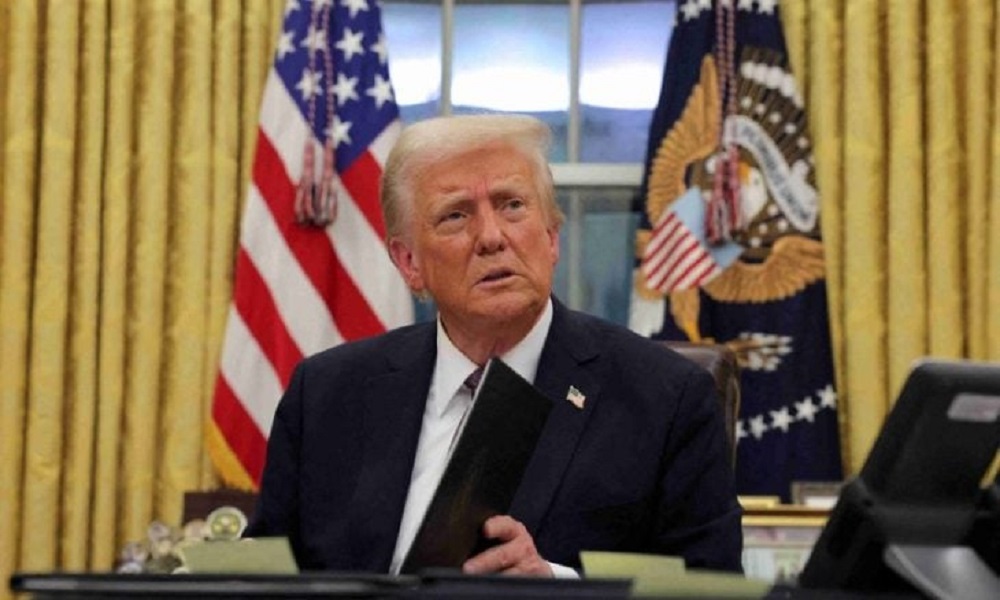
Watan-On Thursday, U.S. President Donald Trump scored his first major legislative victory of his second term after Congress approved a massive budget bill, described as the cornerstone of his economic agenda.
Originally delayed due to internal GOP disputes, the 869-page bill, nicknamed by Trump as the “Big, Beautiful Bill,” narrowly passed in the House of Representatives after clearing the Senate on Tuesday, where Vice President J.D. Vance cast the tie-breaking vote.
The White House immediately hailed the passage in a post on X, calling it a “victory.” Press Secretary Karoline Leavitt told reporters that Trump would sign the bill in a “big, beautiful ceremony” on July 4 at 5 PM, aligning with the symbolic importance of Independence Day.
A Bitter Fight in Congress
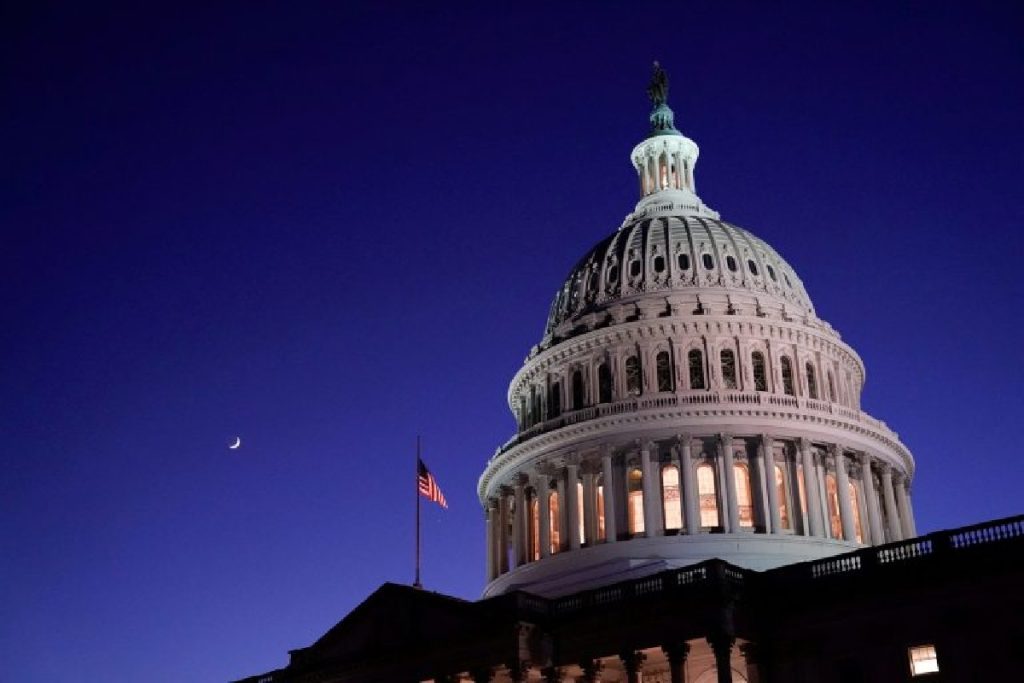
The bill’s final vote came late Thursday following a record-breaking 9-hour filibuster by Democratic House Minority Leader Hakeem Jeffries, aimed at delaying its passage.
The legislation faced staunch opposition from conservative Republicans, who argued it would dramatically expand public debt. With only a slim 8-seat majority, Republican leaders couldn’t afford more than three defections.
In the end, only two Republicans voted against the final bill, after House Speaker Mike Johnson and Trump himself worked behind the scenes to sway votes, with Trump reportedly making late-night phone calls to GOP holdouts.“What are Republicans waiting for?” Trump wrote on Truth Social. “MAGA is not happy—this will cost you votes.”

What’s in the Budget Bill?
The legislation includes:
-
Extension of Trump-era tax cuts from his first term (2017–2021)
-
Abolishment of federal taxes on tips, one of Trump’s key campaign promises
-
Billions in additional defense funding
-
Expanded anti-immigration measures
However, independent analyses show the wealthiest Americans stand to gain the most, while millions of low-income citizens may lose access to Medicaid and food assistance.
To partially offset the deficit, Republicans plan to:
-
Slash Medicaid funding
-
Sharply reduce SNAP (food stamp) benefits
-
Eliminate green energy tax incentives enacted under President Joe Biden
Alarming Debt Projections
The Congressional Budget Office (CBO) estimates that the bill could:
-
Increase U.S. national debt by $3.4 trillion by 2034
-
Cost $4.5 trillion just to extend the tax breaks alone
Rep. Keith Self (R-Texas) initially opposed the bill, citing it as a matter of fiscal ethics:“I came to Washington to help curb our national debt.”
However, after backroom negotiations, he and three other GOP members reversed course and voted in favor.
United Democratic Opposition
The bill faced unified Democratic opposition in the House.
Rep. Hakeem Jeffries called it:“A cruel and disgusting piece of legislation… It will cause real suffering for ordinary Americans while enriching the elite.”
Political Implications
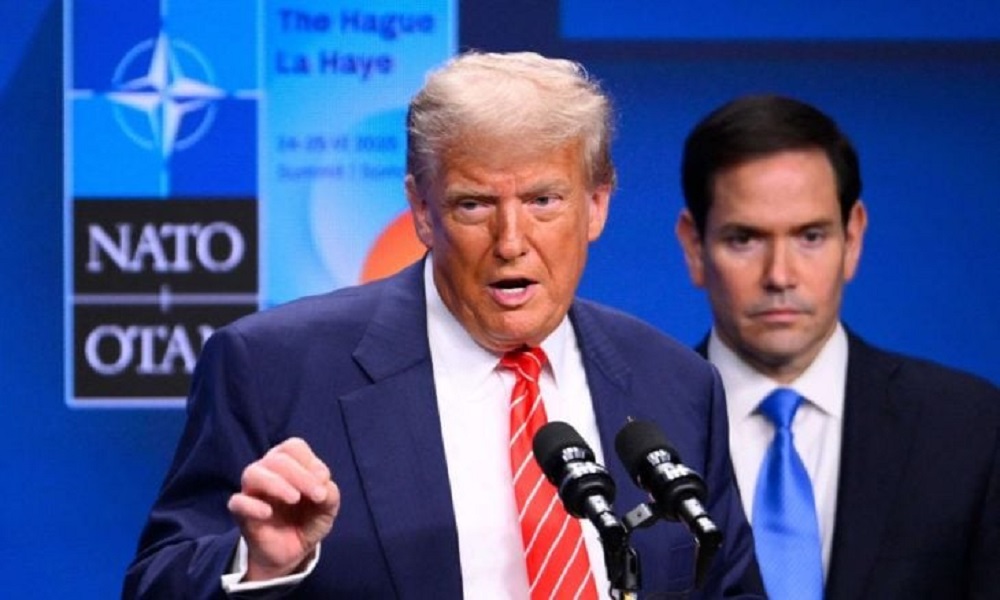
Trump’s successful passage of the bill gives him a crucial win heading into the second half of his term, aligning with his broader agenda to reshape government spending priorities, favoring military expansion and tax relief over social welfare.
But it also sets the stage for a fierce electoral and ideological battle, as critics decry it as fiscally irresponsible and socially regressive.
-

-

-

-

-

-

