
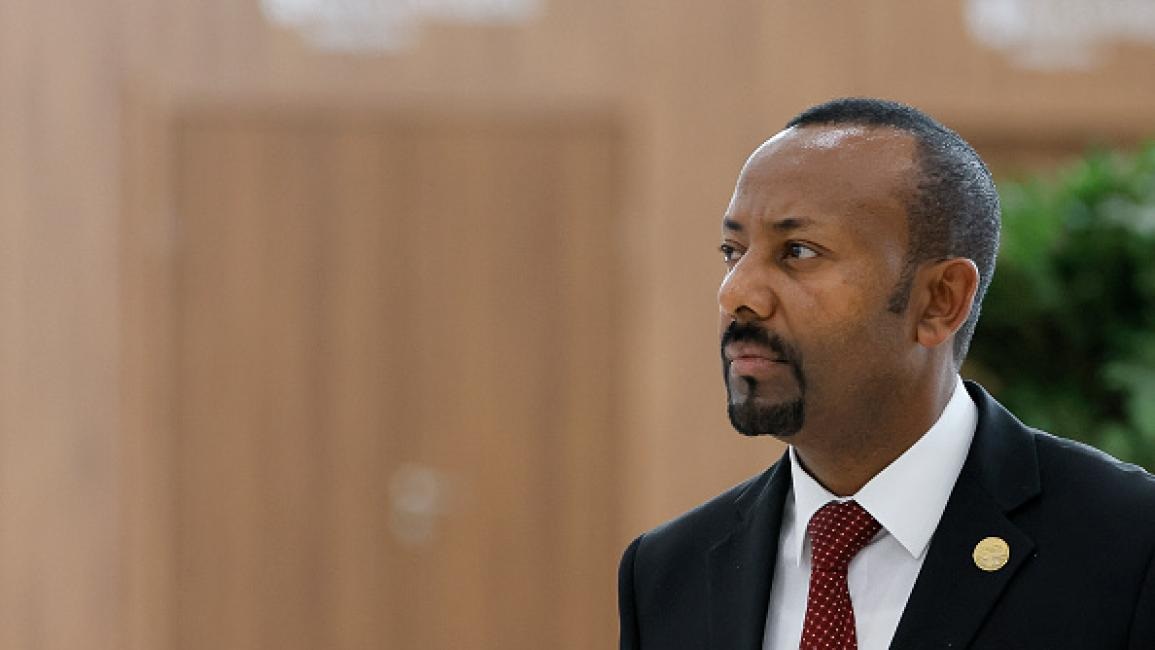
Watan-Ethiopian Prime Minister Abiy Ahmed announced on Thursday the completion of the Grand Ethiopian Renaissance Dam (GERD) on the Nile River, a project that has sparked prolonged tensions with downstream neighbors, particularly Egypt and Sudan.
Speaking before parliament, Ahmed stated:“The work is now completed, and we are preparing for the official inauguration.” He added a message to Egypt and Sudan:“The Renaissance Dam is not a threat, but a shared opportunity.”
On Tuesday, July 1, the annual Nile flood season began on the Ethiopian plateau, while the GERD dispute reached a deadlock. Egyptian Foreign Minister Badr Abdel Aaty emphasized in a recent TV interview that Egypt will never allow its historical share of Nile waters to be compromised under any circumstances, calling it a matter of national existence.
Egypt’s historical water share from the Nile is 55.5 billion cubic meters, based on a colonial-era agreement that Ethiopia refuses to recognize, arguing it was signed during British occupation.
A diplomatic source in Cairo revealed to Al-Araby Al-Jadeed that Ethiopia continues to be intransigent, recently rejecting mediator efforts to revive negotiations. These efforts aimed to de-escalate tensions in the Horn of Africa and reach a binding agreement on the operation and coordination of the dam with Egypt and Sudan.


The source added that regional actors (unnamed) offered to mediate between Cairo and Addis Ababa, especially as tensions mount over Ethiopia’s move to secure a Red Sea outlet through a controversial deal with Somaliland—a breakaway region unrecognized internationally. The agreement allows Ethiopia access to the Port of Berbera, prompting a strong reaction from Somalia’s central government, which considers Somaliland part of its territory.
The Egyptian source noted that Cairo was willing to consider accepting Ethiopia’s request for permanent Red Sea access, if Ethiopia addressed Egypt’s concerns about GERD and committed to signing an agreement, particularly on dam operations.
In his interview, Abdel Aaty reaffirmed that Egypt opposes any military bases or permanent outlets on the Red Sea by non-coastal countries, directly referencing Ethiopia.
He emphasized:“That is a red line and a clear Egyptian position.” “We have conveyed our stance to all regional actors, including Turkey, which hosted the Somali-Ethiopian talks.”
-

-

-

-

-

-

