Trump Pushes for Gaza Ceasefire Deal Amid Internal Israeli Resistance and Judicial Bargains
As Trump signals a possible end to the Gaza war next week, Israeli officials downplay optimism, while Netanyahu navigates pressures from allies, courts, and U.S. expectations.
Watan News
Israel U.S. relation
Watan-After U.S. President Donald Trump said in response to journalists’ questions that a ceasefire in Gaza could be reached next week, Israeli sources sought to dampen the American and regional optimism shared by Qatari and Egyptian channels.
Since Friday, Hebrew media have reported Israeli officials expressing surprise at Trump’s remarks, stating that although negotiations have progressed, there has been no breakthrough, and no signs Hamas has shifted its stance.
Yet, anticipation and hope are growing that the war on Gaza may soon end—especially after the conclusion of the Iran war, the upcoming visit of U.S. envoy Steve Witkoff to Cairo, and Israeli Strategic Affairs Minister Ron Dermer’s scheduled visit to Washington, where he will reportedly be informed of the Trump administration’s desire to end the Gaza war. Discussions will also include expanding Arab normalization with Israel, which is said to be conditional on halting the Gaza bloodshed, according to Israeli assessments.
Trump Seeks a Big Deal
Fresh from a major investment-focused tour of the Gulf, Trump now appears eager for a comprehensive deal to end the Gaza war. In a Sunday morning tweet (Jerusalem time), he called for the return of Israeli hostages, hinting that U.S. aid to Israel could be withheld if this isn’t achieved.
Trump views a Gaza ceasefire as the gateway to a broader regional deal, aligned with his ambitions to reshape the Middle East, expand the Abraham Accords, and even potentially bring Syria into the fold—with a Nobel Peace Prize as his ultimate political trophy.
Against this backdrop, it remains unclear whether Trump’s answers to reporters are genuine predictions, tactical public pressure, or part of an orchestrated media strategy to push both Hamas and Netanyahu toward resolution. Others speculate it’s Trump echoing Netanyahu’s interests, united in their shared contempt for the “deep state.”
Israel targets shelters, aid centers, and displacement camps
“Bear Hug” Diplomacy?
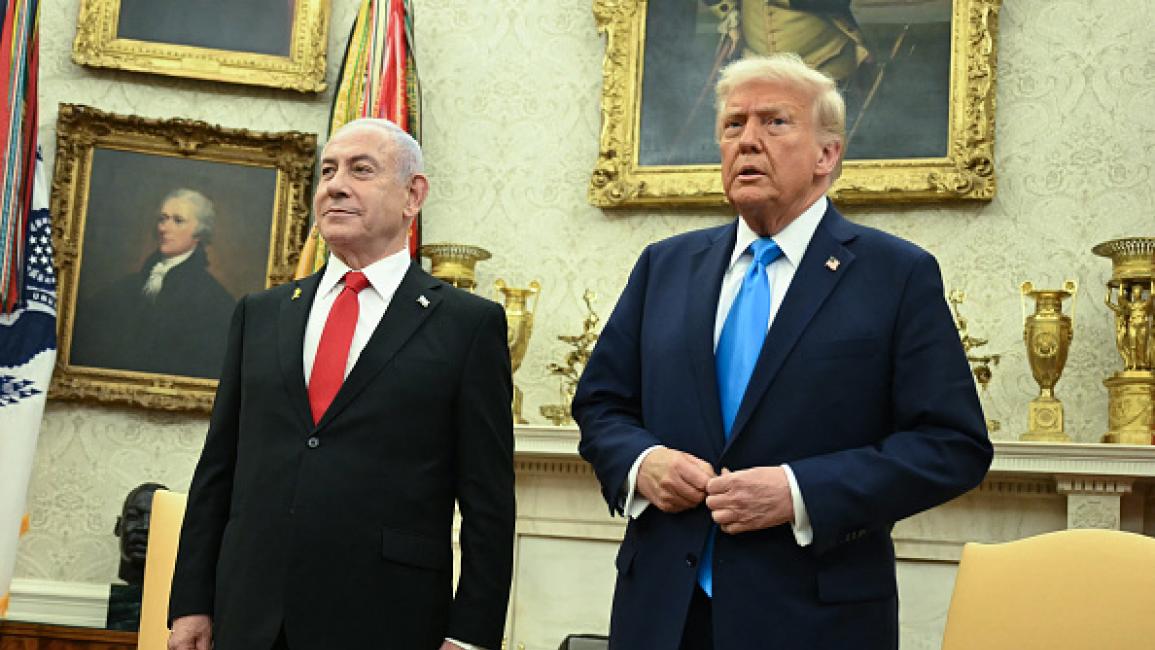
Trump’s repeated public appeals to “stop the witch hunt against Netanyahu” and “set him free” may be linked to a grand deal involving a ceasefire. These statements are interpreted as offers of help—but not without strings attached.
Public broadcaster Kan noted this could be a case of “bear hug diplomacy”—using encouragement and public support to push Netanyahu toward ending the war and resuming normalization talks. This contrasts with Biden’s approach, which emphasized public criticism.
Although Trump’s statements constitute a brazen interference in Israel’s judiciary, it may have been pre-coordinated with Netanyahu, possibly nudged by insiders who convinced Trump that helping Netanyahu avoids derailing U.S. plans to remake the region. Some even argue that Netanyahu’s prosecution hinders those broader goals.
Israeli Legal and Political Crossroads
On Friday, an Israeli court rejected Netanyahu’s request to postpone his corruption trial by two weeks. Despite wide criticism, some political and legal figures—including former Supreme Court President Aharon Barak and columnist Ben-Dror Yemini—support a legal deal to end Netanyahu’s trial if it serves Israel’s national interest and remains within legal bounds.
Trump’s claim that Netanyahu’s trial disrupts negotiations with Iran and Hamas reflects his belief that all regional issues—the Iran war, Gaza, normalization, and Netanyahu’s legal status—are interconnected.
Israeli war crimes in Gaza
Mounting Internal Pressure
Beyond Trump’s pressure, internal Israeli voices are also urging an end to the war. With the Iran campaign over, military and public opinion are turning.
Former PM Ehud Barak again called for intensified protests to pressure Netanyahu into ending the war, freeing hostages, and dismissing what he calls the worst government in Israeli history.
In Haaretz, Barak argues that Israel’s top priority must be to end the bloodshed in Gaza and address vital national concerns: domestic recovery, normalization with Saudi Arabia, and countering ongoing threats from Iran, Hezbollah, and instability in Syria.
Trump-Netanyahu Axis Will Decide
Haaretz military analyst Amos Harel adds that the end of the Iran war opens space for a Gaza settlement, and Trump likely sees this as a chance to reshape the Middle East. The Israeli army reportedly supports ending the Gaza war, citing severe attrition and 20 soldier deaths this month alone. Harel stresses that the final decision lies with Trump and Netanyahu, not their professional teams.
Netanyahu, however, is cautious not to appear as though he is ending the war under Trump’s orders. He may delay action to preserve his image and political legacy.
Leaks to Yedioth Ahronoth from a senior coalition source say Netanyahu wants to end the war, but faces threats from far-right ministers Smotrich and Ben Gvir, who may collapse the government.
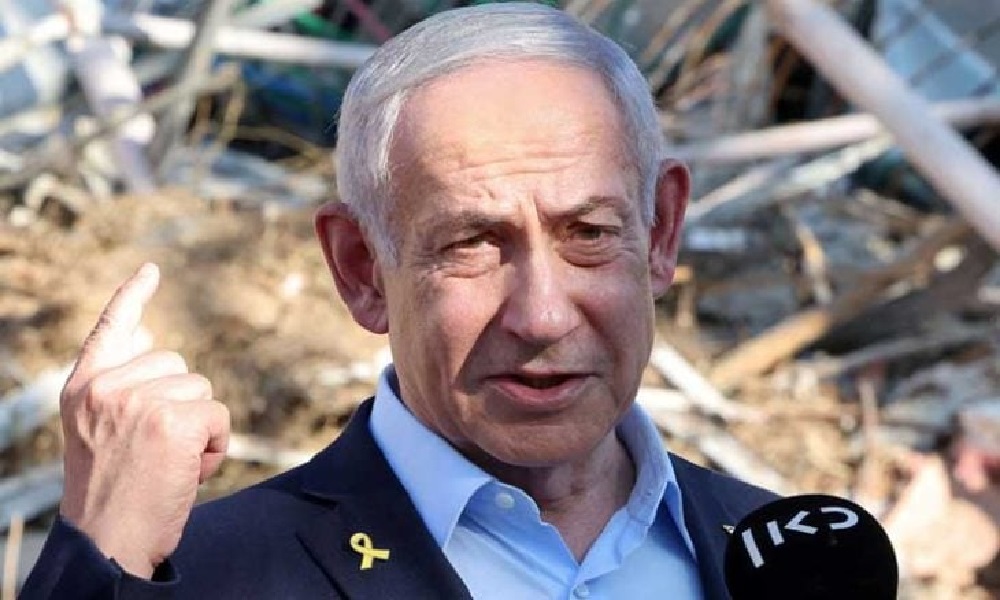
Israeli Prime Minister Benjamin Netanyahu
Is Netanyahu, after the Iran war and a popularity boost, still a hostage to extremists? Or is this a tactic to deflect external pressure?
Even if Netanyahu is ready to stop the war, he may wait beyond this week to avoid the perception of trading Trump’s support for legal immunity. His decisions—as always—are rooted less in Israel’s national interest than in his own political and judicial survival.
More than 636 days into the war, Netanyahu remains entangled in calculations—balancing war, power, and prosecution.