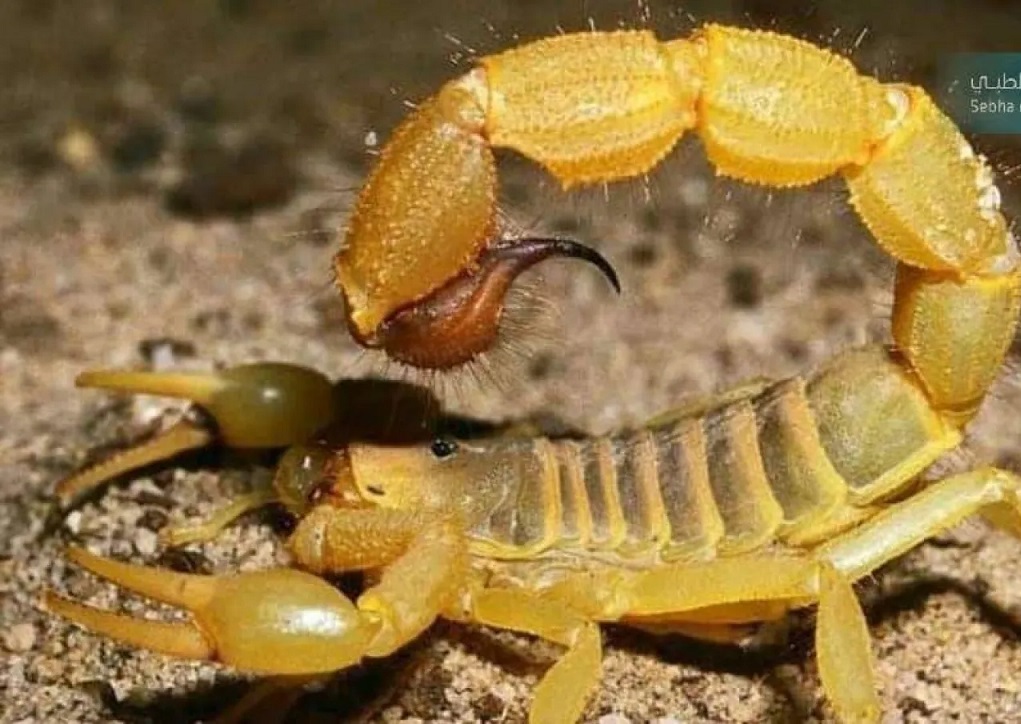
Watan-Preliminary findings presented at a health conference in France, organized by the São Paulo Research Foundation, suggest that venom from the Amazon rainforest scorpion (Brotheas amazonicus) may hold potential in treating breast cancer.
In the relentless global search for new cancer treatments, researchers are exploring unexpected sources—including scorpion tails, according to Science Alert.
To accelerate the process, a team of Brazilian researchers injected specific genes into the DNA of a host organism, colloquially referred to as a “biological factory”, allowing them to test the medicinal potential of venom-derived proteins.
Amazon Scorpion Molecule Mimics Chemotherapy in Targeting Breast Cancer Cells
Pharmacologist Eliane Candiani Arantes of the University of São Paulo explained:“We identified a molecule in this Amazonian scorpion species that resembles others found in scorpion venoms and has shown activity against breast cancer cells.”
The molecule, named BamazScplp1, acts similarly to chemotherapy, triggering apoptosis (cell death) in breast cancer cells.
While the research is still in early stages, the “biological factory” method has also yielded other promising molecules, including one that stimulates blood vessel growth—synthesized from snake venom and cattle-derived blood proteins.
Arantes explained:“This growth factor helps form new blood vessels, and the technique allows for scalable production through a process called heterologous expression.”
What is Heterologous Expression?
Heterologous expression involves introducing genetic material (DNA or RNA) from one organism into a different host organism, enabling the host to produce foreign proteins. This technique helps scientists study protein function, produce therapeutic proteins in large quantities, and drive innovation in genetic engineering.
In this study, Arantes and her team used a type of yeast called Komagataella pastoris as the host “factory” to mass-produce bioactive proteins for experimentation.
By leveraging such technologies, researchers believe it may be possible to discover and develop more hidden treatments found in nature—potentially revolutionizing future oncology and pharmaceutical research.
-
Lead Exposure in Early Childhood Linked to Memory Loss, U.S. Study Finds -
Black Coffee May Prolong Life: Study Reveals Sugar and Cream Can Cancel Health Benefits -
Flesh-Eating Bacteria Claims 4 Lives in Florida in 2025, Health Officials Warn -
Daily Kiwi Intake May Improve Gut Health and Prevent Cancer, Says U.S. Doctor -
Trained Dogs Can Detect Parkinson’s Disease with 98% Accuracy by Smelling Skin, Study Finds -
11 Early Warning Signs of High Blood Sugar You Should Never Ignore