
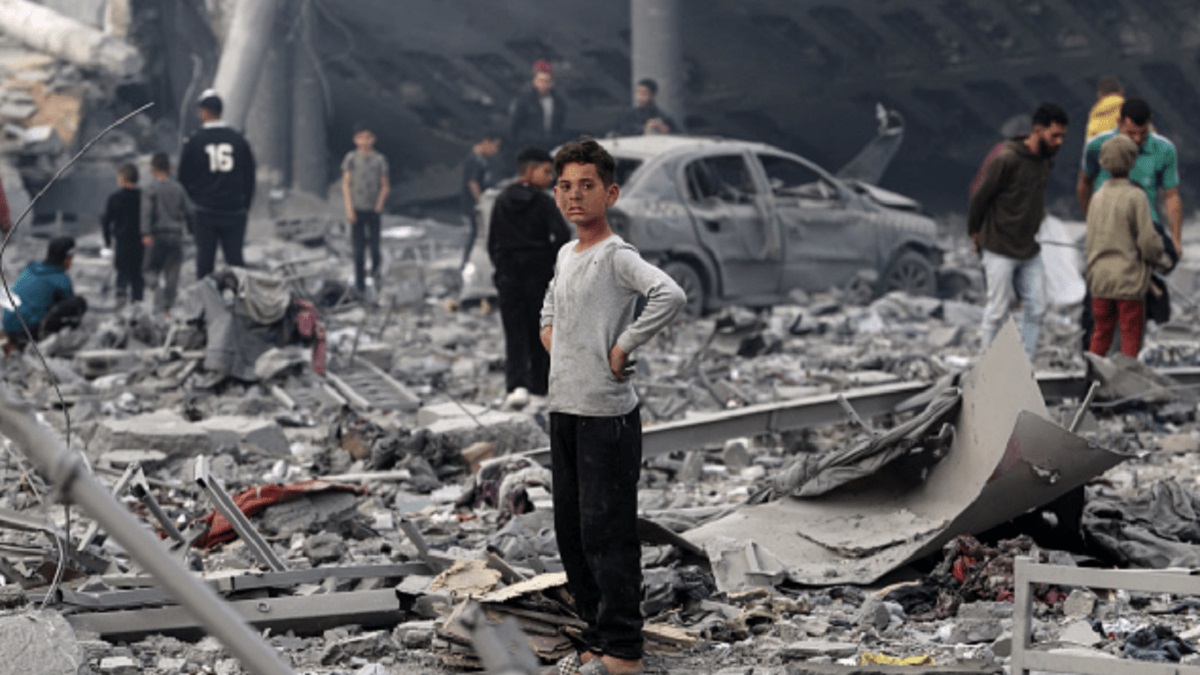
Watan-Following multiple remote communications between mediators and both Hamas and the Israeli government, a senior Hamas delegation is currently holding meetings in Cairo to discuss overcoming the remaining obstacles to a new ceasefire deal proposed by the United States. The proposal involves a 60-day truce, during which prisoner exchanges would be implemented.
Sources suggest that the Hamas delegation is in direct contact with Egyptian officials involved in the mediation efforts to assess recent developments and refine the ceasefire plan.
Israel May Join Negotiations in Egypt
Reports indicate that Israel is also preparing to send a negotiating delegation to Cairo, especially after new developments that could help bridge the key gap over the nature of the ceasefire—particularly, whether it leads to a complete end to the war.
While Hamas has not officially announced the delegation’s travel or confirmed any progress, China’s Xinhua News Agency reported that the movement has accepted a two-month ceasefire deal with Israel, and that its representatives arrived in Cairo to discuss a timeline for implementation.

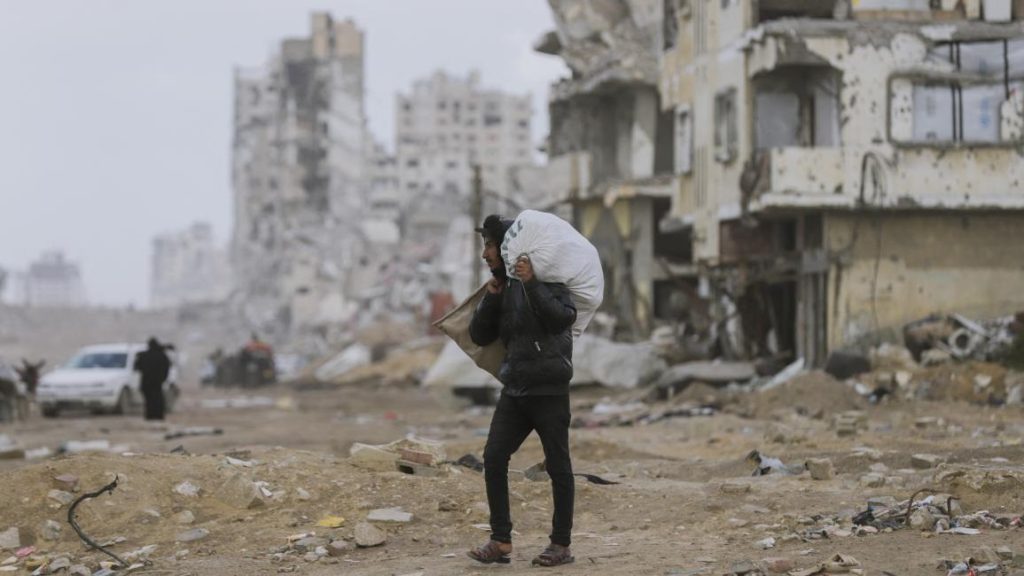
Deal Details: Two-Phase Ceasefire Framework
According to two Egyptian sources cited by Xinhua, Hamas agreed to a 60-day ceasefire that includes the release of 10 living Israeli captives, as well as the remains of 10–16 others as a first phase. The second phase would focus on negotiations toward a full cessation of hostilities and the release of all remaining captives.
i24NEWS: Three Key Issues on the Table
Israeli broadcaster i24NEWS reported that the Cairo negotiations are focusing on three main issues:
-
Hostage Release – Including eight hostages to be freed on the first day of the truce.
-
Israeli Military Withdrawal – From areas occupied in the Gaza Strip during the war.
-
Post-Truce Scenario – Whether Israel will resume military operations after the 60-day truce or continue talks toward a final settlement.
The report highlighted the complexity of these discussions, especially as Hamas negotiates while Israel is engaged in a simultaneous war with Iran, whose outcome remains uncertain.
Background: Collapse of the Last Ceasefire
Israel resumed its assault on Gaza on March 18 after rejecting the second phase of a previous 42-day truce, which would have included new prisoner exchanges in exchange for a full ceasefire.
Israeli Prime Minister Benjamin Netanyahu repeatedly refused to make any commitments to ending the war, insisting instead on a temporary truce to recover hostages, after which the war would resume. He tied any permanent end to conditions such as the disarmament of Hamas and the expulsion of its leaders from Gaza.

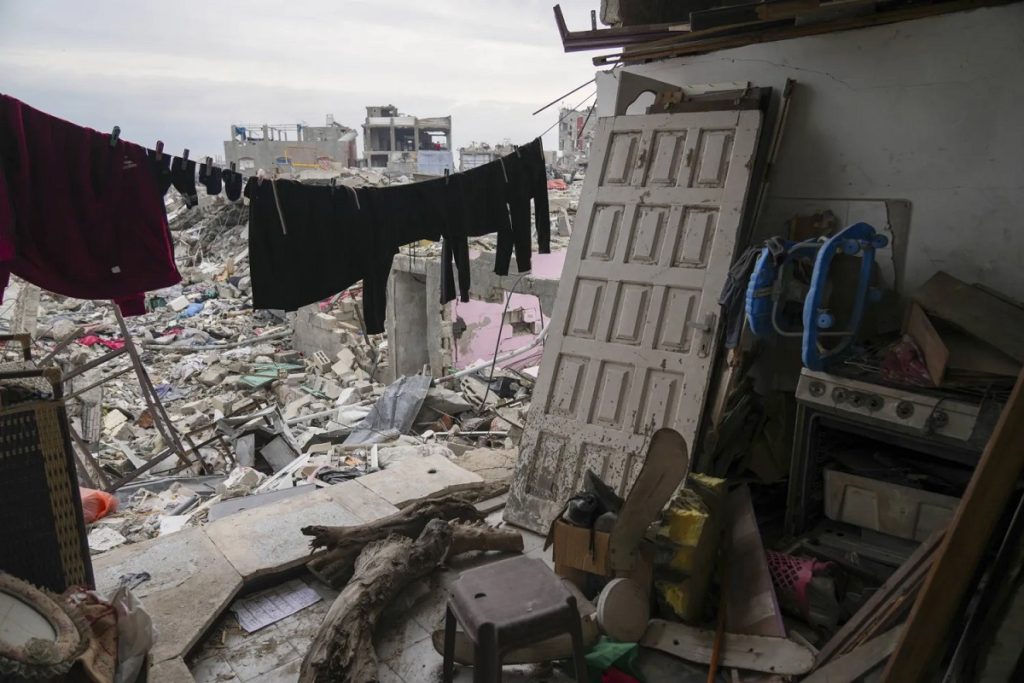
U.S. Steps In with New Proposal
Hamas has rejected those terms and demanded a clear commitment to ending the war. In response, U.S. mediator Steve Witkoff submitted a revised proposal that reportedly received preliminary acceptance from both sides.
Over the past two weeks, mediators engaged in remote communications to resolve the main disagreements. Among the ideas floated is a U.S. presidential guarantee that Israel would not resume hostilities after the 60-day truce expires.
The truce period would also include:
-
Israeli military withdrawal from occupied areas of Gaza
-
Unrestricted humanitarian aid access to starving civilians
-

-

-

-

-

-

