
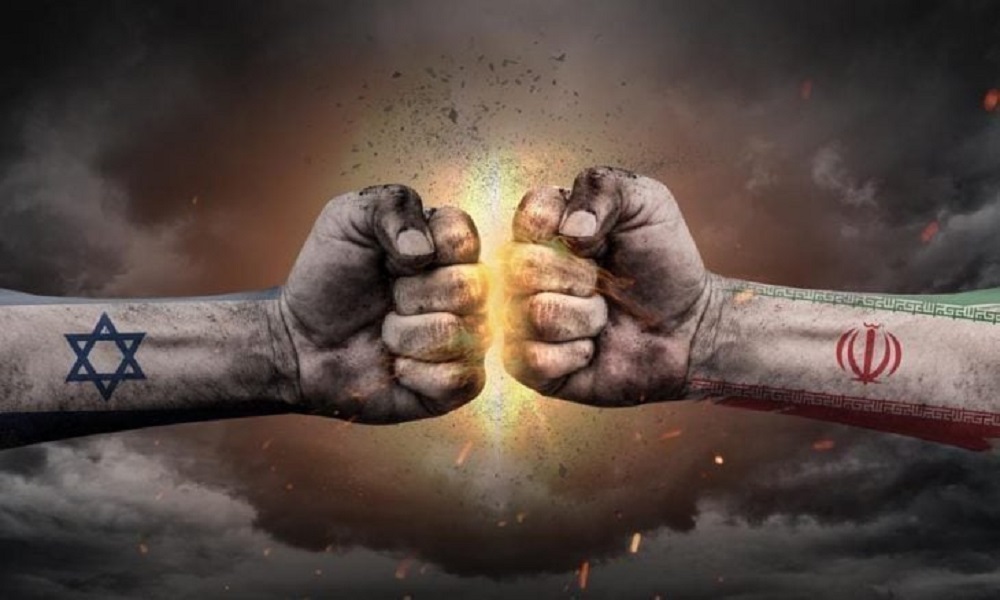
Watan-American columnist Thomas Friedman published an article in The New York Times in which he described Israel’s strike on Iran’s nuclear infrastructure as a pivotal event—adding it to a list of historic wars that have reshaped the Middle East since World War II.
Friedman named the 1956, 1967, 1973, 1982, and 2023 wars, now followed by the events of 2025, as key turning points in the region’s modern history.
Although Friedman openly supports Israel, and criticizes Netanyahu out of concern for the country’s future, he wrote that it’s too early to predict the full consequences of the current strike. However, he believes the situation may unfold in one of two radically different directions:
-
A “very positive” scenario: The collapse of the Iranian regime and its replacement by a more moderate, secular, and inclusive government.
-
A “very negative” outcome: Full-scale regional war involving the United States.
Friedman also entertained a third, interim possibility—a negotiated pause—suggesting the strike might be a calculated message from President Donald Trump to Iran:“I’m still open to negotiating a peaceful end to your nuclear program—and you might want to do that quickly. I’m waiting for your call.”
Israel’s Strategic Objective
Friedman argues that Israel is more determined than ever to finish the job, having long sought to eliminate Iran’s nuclear threat.
He noted that for the past 15 years, Israel had prepared for such attacks but always backed down—either due to U.S. pressure or lack of confidence in its own military capabilities. Now, it has crossed that threshold.

Immediate Gains and Regional Impact
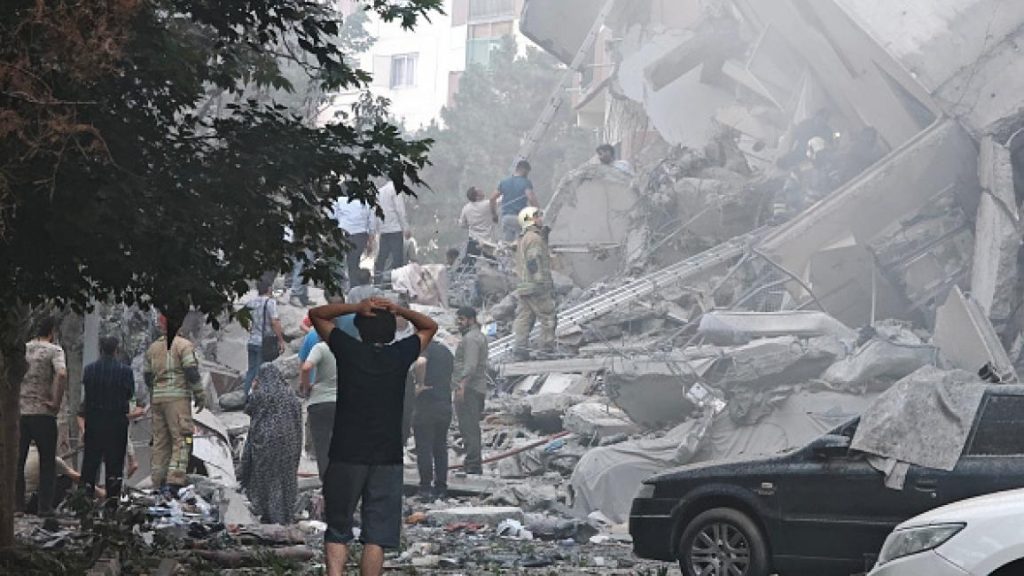
Friedman wrote that if Israel manages to seriously damage Iran’s nuclear project—even enough to temporarily halt enrichment—it would be a significant military victory.
But more importantly, he highlighted the potential regional consequences, especially for Iran’s influence in Iraq, Lebanon, Syria, and Yemen, where Tehran has armed and financed local militias.
Friedman claimed that Iranian influence is already eroding, especially after Netanyahu—who is wanted by the ICC for alleged war crimes—moved to decapitate Hezbollah, leading to more pluralistic governments in Lebanon and Syria and a faint resurgence of hope, despite ongoing fragility.
Internal Contradictions and Netanyahu’s Strategy
Friedman criticized Netanyahu’s internal contradictions:
-
Regionally, he acts without ideological restraint.
-
Domestically, he blocks any path to a Palestinian state, relying on far-right partners to stay in power.
This, Friedman argued, dragged Israel into Gaza’s quagmire, calling it a “moral, economic, and strategic catastrophe.”
He also questioned how Israel acquired such precise intelligence to locate and eliminate senior Iranian military officers.
He pointed to the Apple TV+ series Tehran—featuring a Mossad agent in Iran—as an illustration of how deeply Israel may have penetrated Iran’s power structure, suggesting that many Iranian officials may be willing to cooperate due to hatred for their own regime.
Risk of Failure and War of Attrition
Friedman warned that if Israel fails to achieve its goals, and Iran emerges weakened but still capable of resuming its nuclear ambitions, the likely outcome is a long-term war of attrition between the two strongest armies in the region.
This would mean continued instability, oil market disruption, and possibly Iran retaliating against U.S. allies and forces across the Middle East.

Possible U.S. Intervention
In that case, Friedman said, the Trump administration might feel forced to intervene directly—not only to end the war but potentially to topple the Iranian regime itself. This, Friedman warned, would lead to unpredictable and far-reaching consequences.
Two Lessons for the Future of the Middle East
Friedman closed with two key takeaways:
-
Regimes like Iran’s appear strong until they suddenly collapse.
-
The fall of authoritarian regimes doesn’t guarantee democracy—it may just bring prolonged chaos.
And while Friedman openly hopes for the end of the Islamic Republic, he also cautions that its fall could unleash forces more dangerous than the regime itself.
-

-
-

-

-

-

