426 Rights Violations in Egyptian Prisons in May, NGOs Demand Release of Lawyer Ibrahim Metwally
Torture, medical neglect, enforced disappearances, and systematic pretrial abuse reported across Egypt’s detention system; UN and rights groups call Metwally’s imprisonment unlawful and retaliatory.
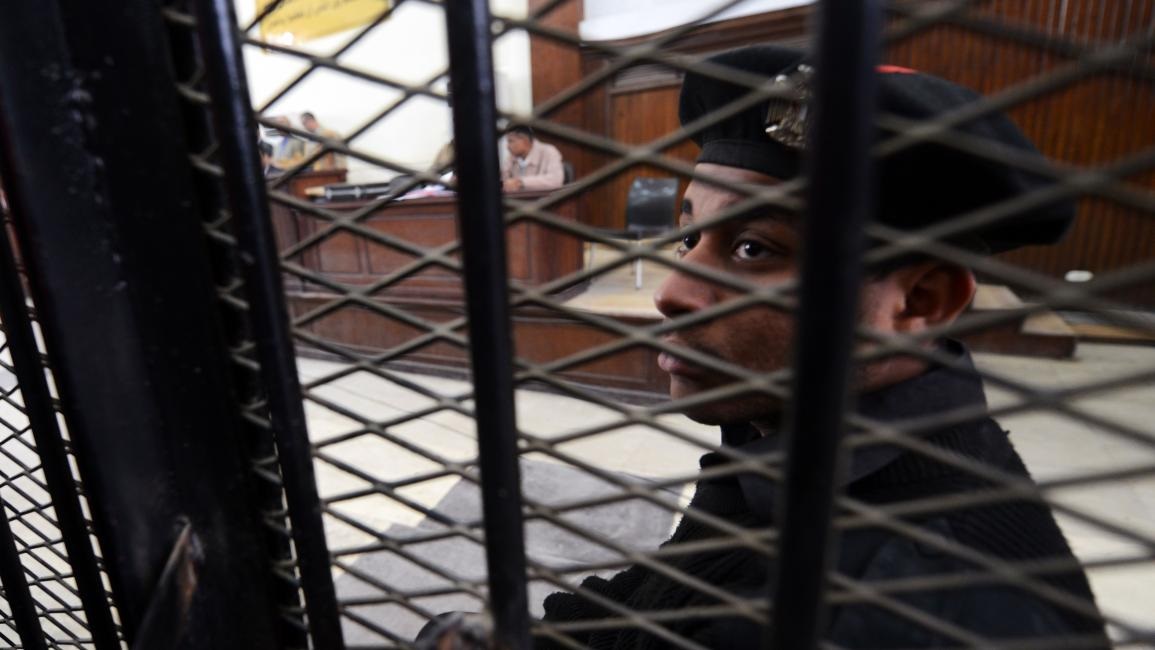
Watan-In May 2025, Egyptian prisons and detention centers recorded 426 human rights violations, according to a report by El Nadeem Center for Rehabilitation of Victims of Violence. The violations included killings, deaths in custody, torture, medical negligence, enforced disappearances, and acts of state violence.
The report, titled “Harvest of Oppression – May Edition,” documented:

-
3 killings
-
4 custodial deaths
-
2 cases of individual torture
-
18 group torture cases
-
62 instances of punitive abuse or renewed detentions
-
7 medical neglect cases
-
52 cases of reappearing after enforced disappearance
-
278 instances of state violence
The victims of the 3 documented killings were Youssef Mahmoud Abdel Rahman, Mohamed Abou El-Wafa, and Ibrahim Mohamed. One was killed during an anti-drug raid; the others’ deaths remain unexplained.
Custodial deaths occurred in police stations and prisons such as Minya Al-Qamh, Wadi Al-Natrun, Badr 3, and Attarin, raising questions about conditions and healthcare access in detention.
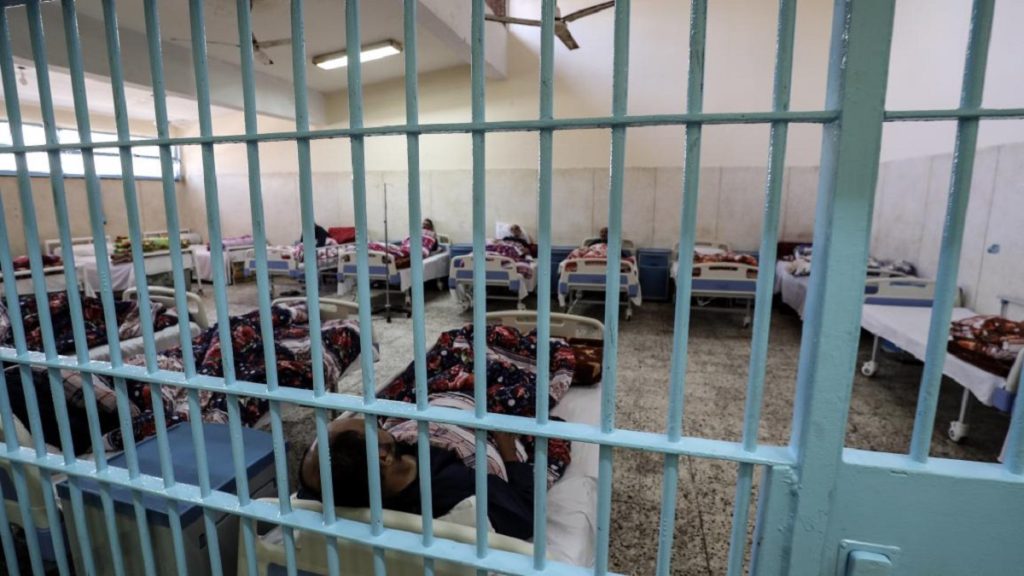
Systematic Torture and Medical Neglect
The report detailed 20 torture cases, including two individuals—Marwan Ibrahim Abdel Baset and Mohamed Ayman Hassan Abdel Shafi—who were beaten, electrocuted, sexually assaulted, deprived of food and water, and held in prolonged solitary confinement.
Group torture was reported in notorious prisons like Borg Al-Arab, Badr 3, Abu Zaabal, Minya High-Security, Tora Maximum Security, and New Valley. Common issues included disease outbreaks, abuse, and inhumane treatment.
The report also outlined 62 cases of punitive transfer and renewed detention (“tadweer”), 17 of which occurred during incarceration. These included denial of exam access, solitary confinement, visitation bans, and coerced labor—often manipulated through judicial procedures.
Medical neglect in 7 cases contributed to deteriorating health conditions and even death inside prison. The report noted 208 cases of state violence following explosions and 70 others not linked to incidents—evidence of routine excessive force.
Metwally’s Case: A Symbol of Retaliation
24 Egyptian, African, and international organizations demanded the unconditional release of Ibrahim Metwally, a 61-year-old human rights lawyer detained since September 10, 2017, over his advocacy for enforced disappearance victims, including his son.
Metwally was arrested at Cairo Airport while en route to Geneva to speak at the UN Working Group on Enforced Disappearances. He was interrogated by Egypt’s State Security Prosecution after two days of solitary detention, during which he says he was stripped, electrocuted, beaten, and doused in water.
Over the years, Metwally has been cycled through three separate cases:
-
Case 900/2017: Foreign contact, spreading false news
-
Case 1470/2019: Terror financing, unlawful group membership
-
Case 786/2020: Similar repeated charges
Despite release orders in 2019 and 2020, he was “recycled” into new charges each time. Currently held at Badr 3 Prison, Metwally suffers from enlarged prostate issues requiring surgery, which the authorities have ignored despite family requests.
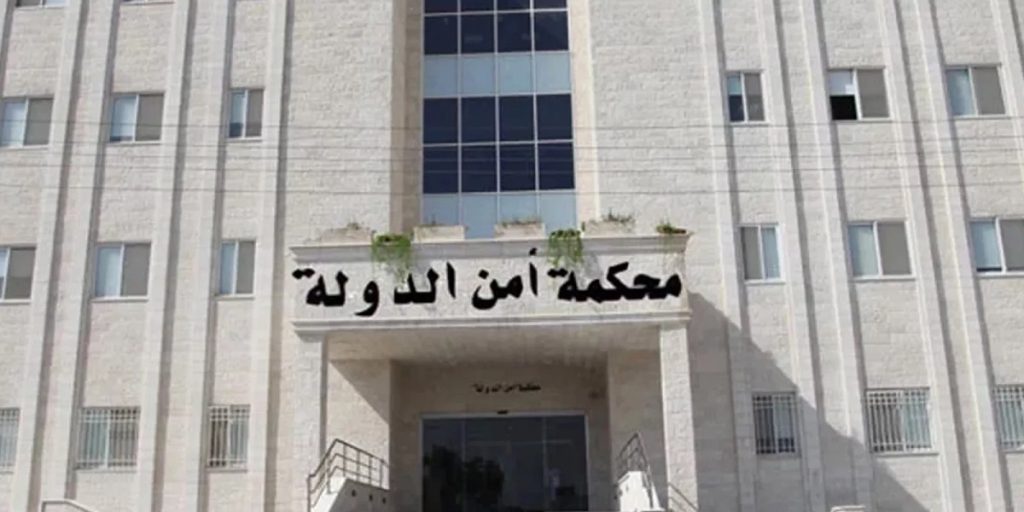
UN Special Rapporteurs have condemned Egypt’s abuse of anti-terrorism laws to detain Metwally and others. In 2019, the UN Working Group on Arbitrary Detention ruled his imprisonment as retaliation for cooperation with the UN and called for his immediate release and compensation.
This case remains a focal point for international pressure on Egypt, as rights groups highlight systematic use of torture, indefinite detention, and judicial abuse to silence dissent.