
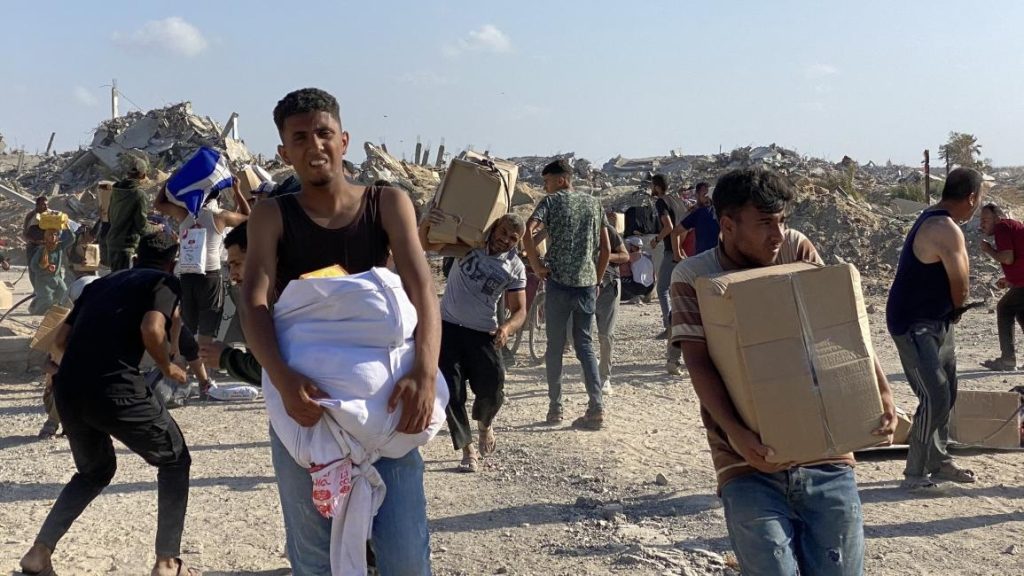
Watan-Since the launch of the U.S.-backed Gaza Humanitarian Foundation, the distribution of food aid in Gaza has been marred by chaos, disorganization, and deadly violence. Israeli forces have repeatedly targeted civilians at distribution points with no security or coordination in place.
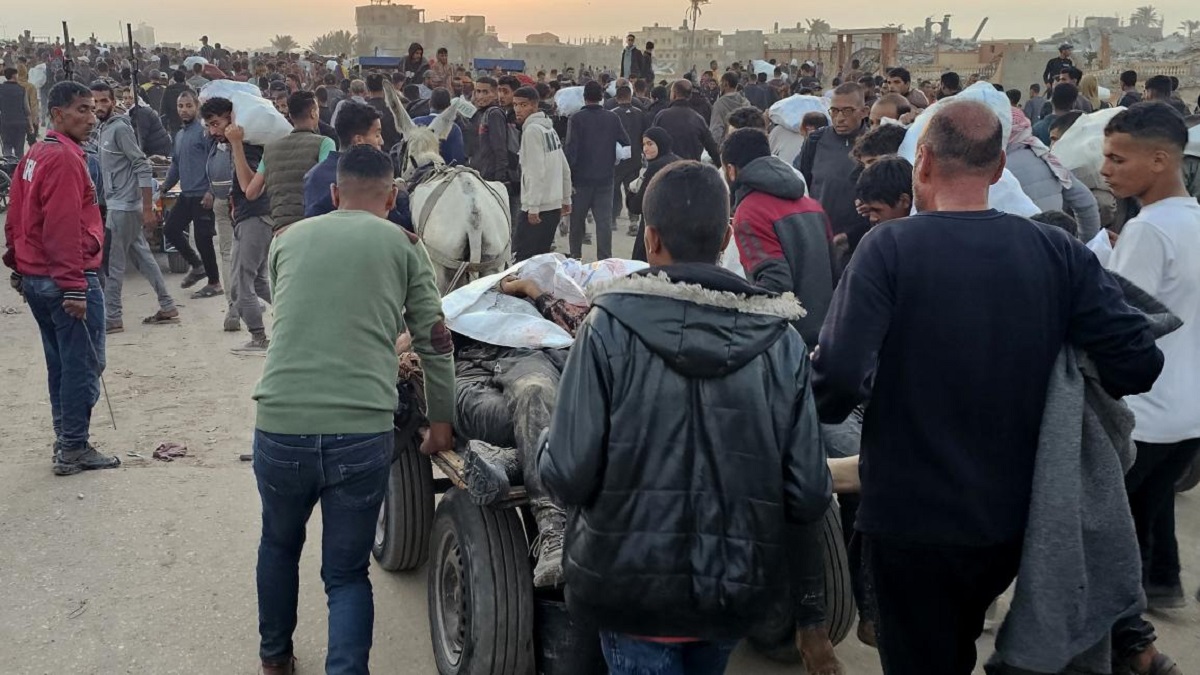
In one of the most brutal attacks, Israeli tanks and naval boats opened fire on thousands of Palestinians gathered near a U.S.-operated aid center in southwest Rafah, along the Egyptian border, early Sunday morning. The assault left at least 31 dead and nearly 200 injured.
Eyewitnesses told Al-Araby Al-Jadeed that the attack occurred between 3:30 and 5:00 a.m., near Alam Roundabout on the coast. Civilians retreating from tank fire were met with gunfire from Israeli warships. Inside the distribution area, only four aid trucks were available—woefully insufficient for the massive crowd. Survivors fled empty-handed. Many never made it home.
Ambulances were barred from accessing the area, classified by Israel as a “military zone.” Victims were transported using plastic sheets, bicycles, and donkey carts over a period of nearly three hours.

Eyewitness Accounts of Massacres
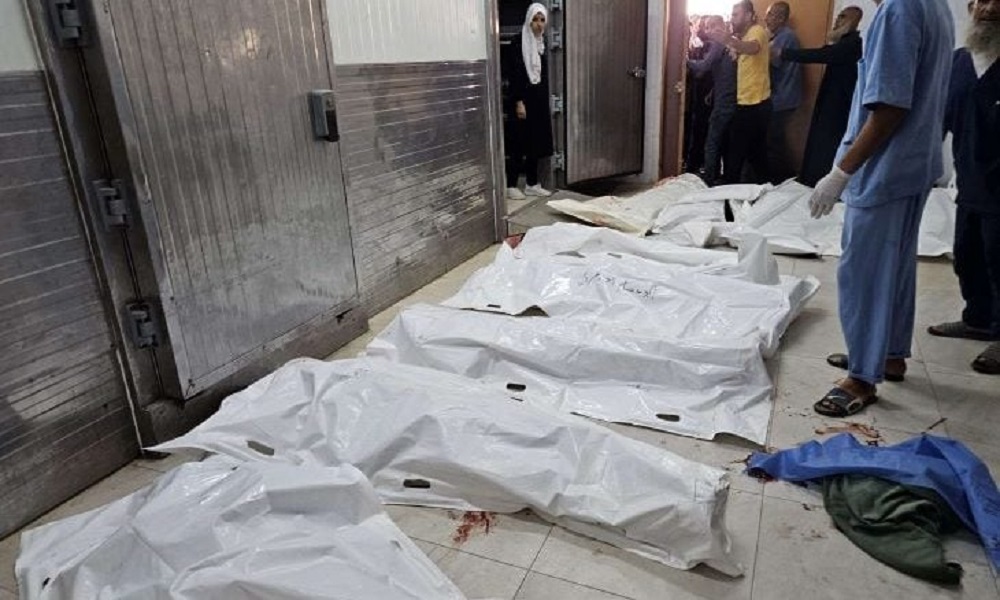
Since May 27, the Gaza Government Media Office has recorded 52 deaths and 340 injuries at these aid centers.
-
Mohammad Al-Zaban (28) described constant gunfire from Israeli tanks, forcing people to seek shelter behind dirt mounds or retreat to the sea—only to be shot by naval forces.
“Most of the martyrs fell on the beach. The bullets were direct and constant.”
-
Shahada Baraka (48) from Deir al-Balah was fatally shot while simply visiting Rafah to buy food. His brother Hani said:
“He had six children. He walked there for food and returned a martyr.”
-
Yarin Abu Al-Naja (44), whose brother was shot in the abdomen while trying to collect food, said:“Our children hadn’t eaten for three days. We were shot at the moment we arrived. Nasser Hospital couldn’t even keep him due to overcrowding.”
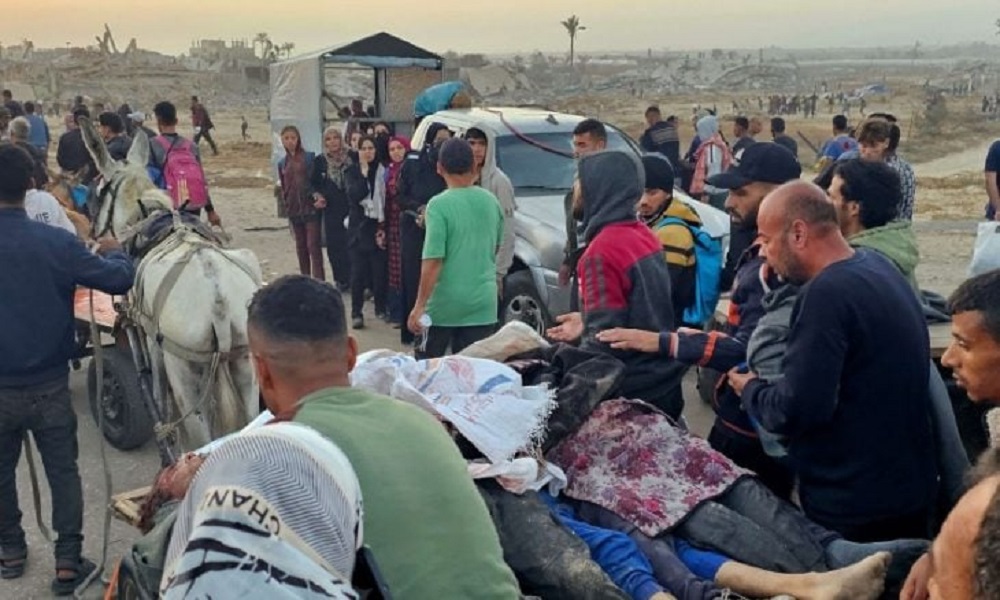
At a separate aid site near Wadi Gaza bridge (Netzarim corridor), Israeli troops opened fire on waiting civilians, killing one and injuring others. Among the wounded was Saher Tayseer Eid, now in serious condition after being shot twice—despite already battling cancer.
His brother, Saeb, said:“He was helping evacuate the wounded when he was shot. He just wanted food—but they proved they’re playing with people’s lives.”
A Broken Aid System and a Father’s Search
There is growing alarm over the U.S. aid mechanism replacing UN channels, which critics say violates humanitarian principles and endangers civilians. Calls are intensifying to restore UN-supervised aid delivery.
Jabr Mousa, a father, has camped outside an aid center since his son Obaida (16) went missing after being shot by an Israeli tank.
“He followed his brothers to get food and vanished. We were told soldiers may have taken him. But no information has been given.”
Obaida’s brother Hatem recalled seeing an American contractor signal Israeli forces, followed by tanks surrounding and firing on the crowd. Video footage shows U.S. security guards brandishing weapons at civilians, contradicting the center’s supposed humanitarian mission.
Hatem added:“Obaida was at the front of the line with my mother’s ID, trying to get flour. He and a neighbor tried to flee but were shot. A witness tried to help him, but the gunfire was too intense. My brother was left behind.”

Some hope remains after witnesses reported an Israeli helicopter evacuating the wounded, possibly including Obaida. The family has contacted the Red Cross and the Palestinian Missing Persons Center, but has received no answers.
Two days later, Jabr and Hatem returned, not to seek aid, but to look for Obaida.
“We were 100 meters from the center when tank and drone fire forced us back. Our neighbor, Mohammad Abu Hujair, was killed right next to us.”
This tragedy underscores what humanitarian experts are now calling an engineered disaster. The flawed U.S.-Israeli aid scheme not only fails to meet the population’s needs but puts lives at even greater risk—all while shielding military operations under the guise of relief. The calls for accountability and a return to neutral, UN-led aid distribution are growing louder by the day.
-
-
-
-
-

-

