
Watan-In a new move that triggered widespread official and public anger, French magazine Charlie Hebdo published an in-depth investigative piece about Algerian activists from the Kabyle region living in exile in Paris. The article explored themes of “alienation, loss of identity, and persecution by Algerian authorities” under charges as serious as terrorism.
The investigation, symbolically titled around the notion of “cultural exile,” included testimonies from Algerian artists, poets, and illustrators who spoke of their suffering and the pressure exerted by Algerian authorities—some due to their political positions, others simply for caricatures, songs, or poems. Some interviewees reported being sentenced to life imprisonment in absentia, while others said they faced threats of deportation from European countries under Algerian diplomatic pressure.
In response, Algerian authorities denounced the article as “blatant incitement” against the state and accused the magazine of subtly portraying Algeria as a repressive regime toward the Kabyle region. A government statement described the publication as “an extension of a targeted foreign media campaign” aimed at destabilizing the country and fueling separatist tendencies at a regionally sensitive moment.

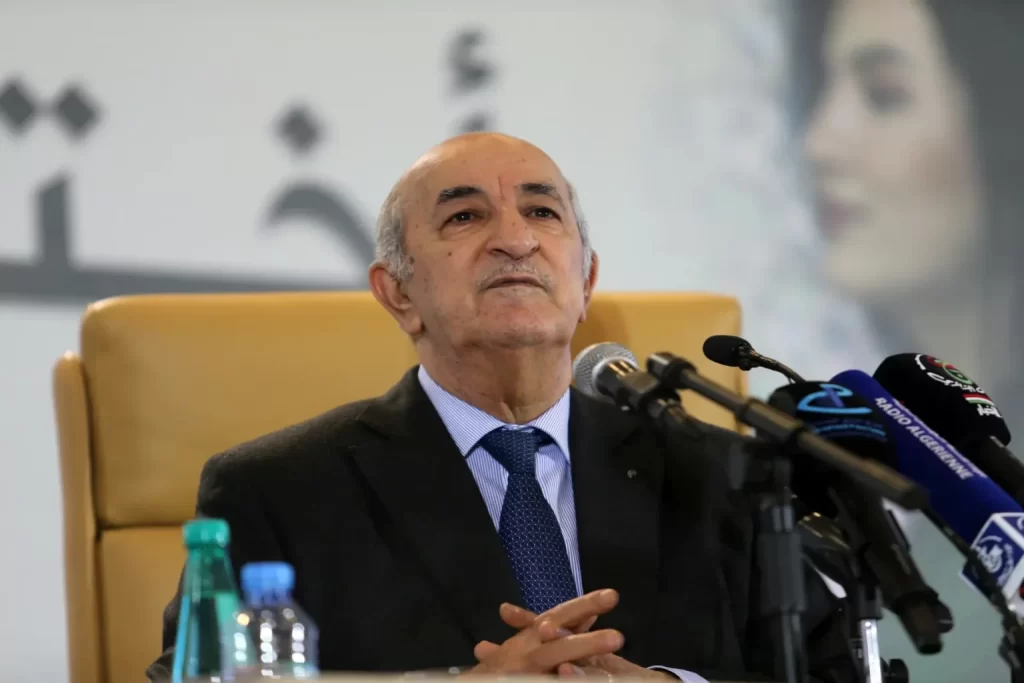
The controversy quickly escalated on Algerian social media, dividing opinions between those who rejected any threat to national unity and others who argued that freedom of expression should not be met with heavy accusations or exile. The activists featured in the report defended their stance by saying, “We lost the right to live in our homeland, but not the desire to speak.”
This media storm reflects deeper tensions in Algerian-French relations, long marred by mutual suspicion and recurring diplomatic strain—especially when the sensitive topics of identity, history, and exile intersect. The incident also revives the debate over press freedom, its limits, and the role of Western platforms in framing internal Algerian affairs—particularly when the voices come from exile, the platform is Parisian, but the impact lands in Algiers.
-
-
-
-

-

-

