
Watan-Tripoli, the capital of Libya, is witnessing yet another chapter in its chronic chaos. Armed clashes have returned to tear through both the outskirts and heart of the city, which has transformed from a political capital into a battleground governed not by institutions but by militias.
The most recent spark was the assassination of Abdel Ghani al-Kikli, known as “Ghneiwa,” head of the Stability Support Apparatus and one of the most prominent militia leaders in Tripoli. Reports indicate that he was invited to a supposed “security meeting,” but left in a coffin—an act widely described as a politically sponsored execution.
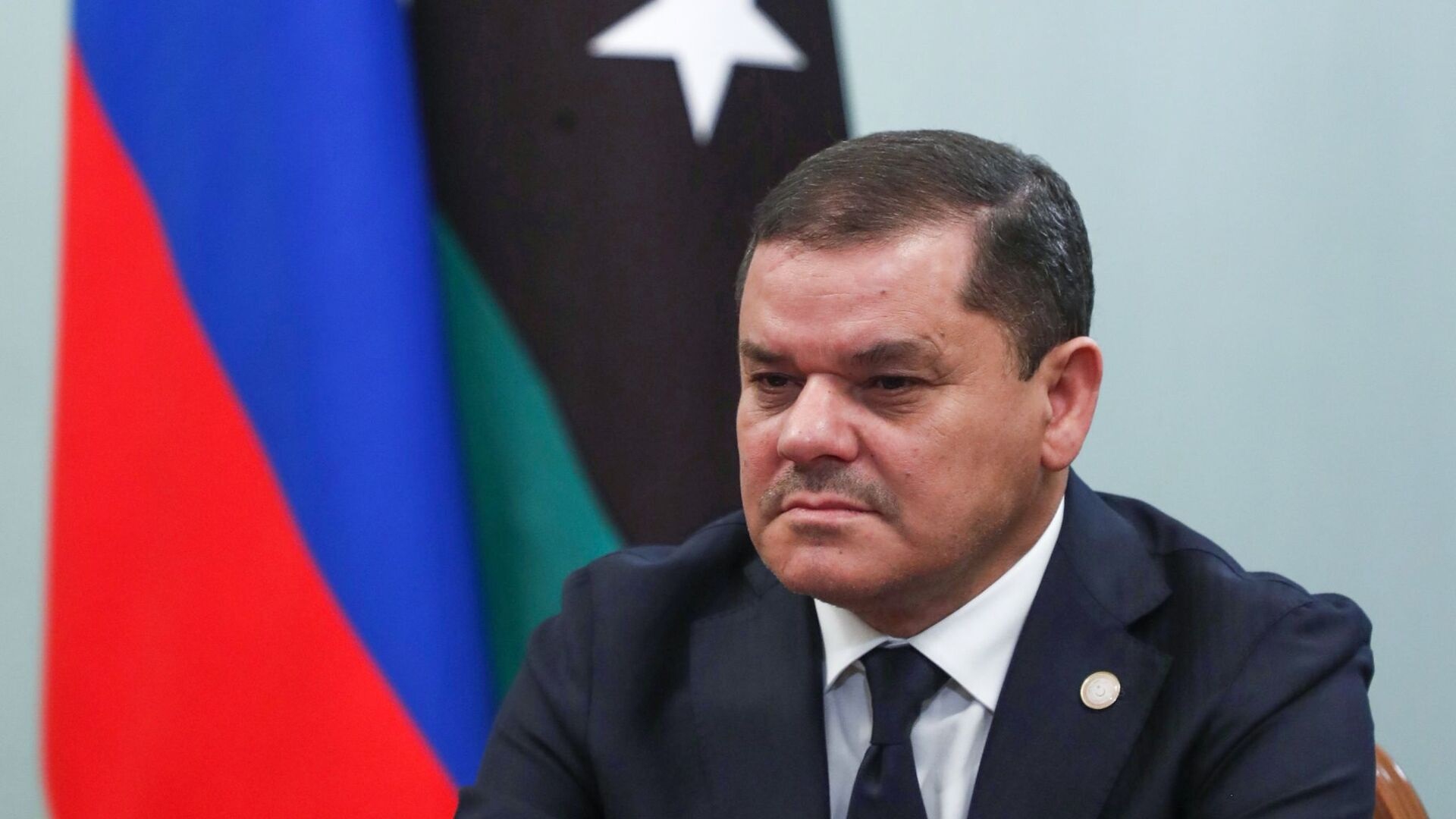
Statements from Abdul Hamid Dbeibeh, head of the Government of National Unity, left little doubt. He remarked that the operation was carried out to “impose state authority,” which served as an indirect admission of his approval or foreknowledge of the assassination. This statement enraged Ghneiwa’s supporters and ignited the streets of the capital.

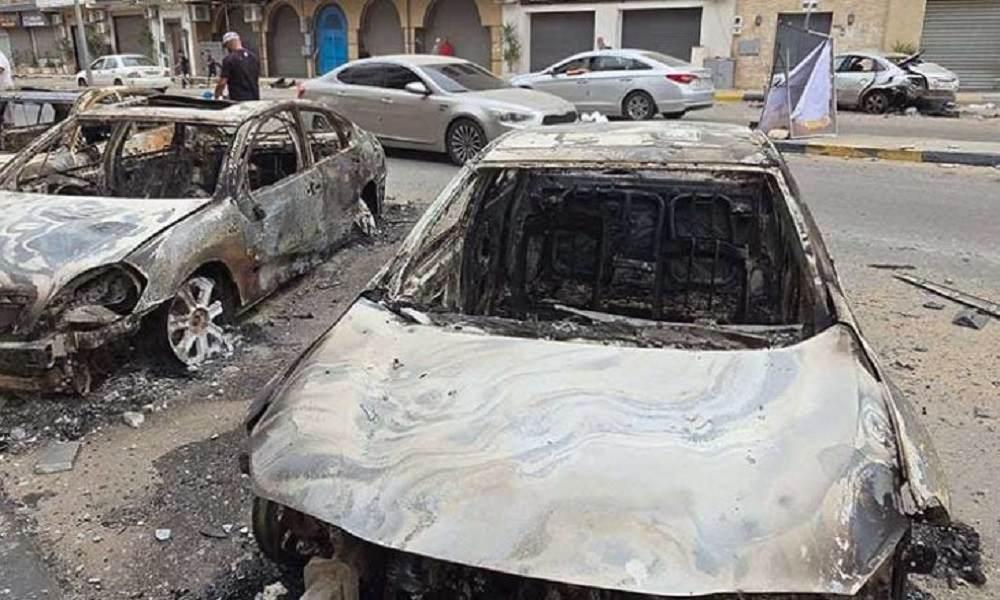
Militias clashed, schools were shut down, and airports suspended flights. The scene is familiar and repetitive, but this time, the crisis deepened further after the Presidential Council, led by Mohamed al-Menfi, called for restraint. Tensions between the council and Dbeibeh escalated, with growing accusations against Dbeibeh’s government of losing legitimacy.
In the background, the United Nations and Western embassies call for an “immediate ceasefire,” but as locals say: “Those with tanks don’t read press releases.”
Dbeibeh’s government is now under unprecedented public and political pressure, with some of his ministers beginning to resign—potentially paving the way for his government’s formal collapse or, at the very least, a major political reshuffle.
International analysts suggest this is a redrawing of Tripoli’s security and political map. However, Libyan observers argue it’s simply a “recycling of chaos,” where the country is ruled from the barrel of a gun—not the ballot box.
As always, the greatest victim is the Libyan citizen, whose most basic hope is now reduced to a quiet night without the sound of shelling or the smoke of clashes.
-

-
-
-
-

-

