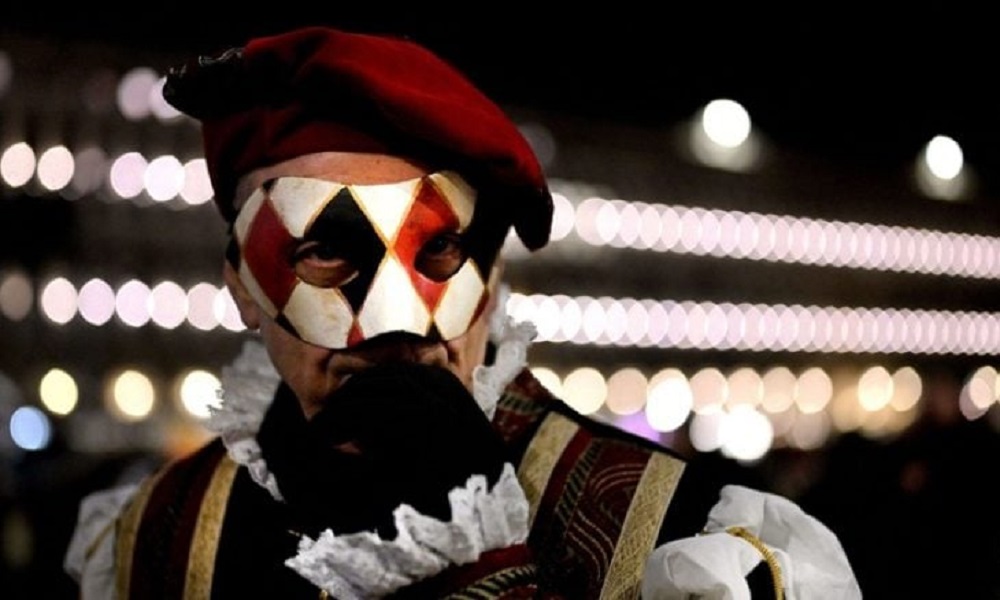
Watan-The name Giacomo Casanova is commonly associated with seduction and endless romantic affairs. However, many are unaware of the other remarkable facets of his identity.
Born in 1725 in Venice to a family of actors, this legendary Italian figure led a life of incredible variety and transformation. Casanova, who was undeniably obsessed with sex, recorded the details of his numerous love affairs in his French-written memoir, Histoire de ma vie (Story of My Life), revealing them without reservation.
Beyond his magnetic charm, Casanova was a respected writer in 18th-century Europe and moved among the elite. He mingled with nobility, royalty, and major intellectuals of the era—including Catherine the Great, Frederick the Great, Jean-Jacques Rousseau, and Voltaire.
Even Pope Clement XIII acknowledged his intellectual prowess, granting him the noble title “Knight of the Golden Spur” in 1760. Ironically, just five years earlier, the Catholic Inquisition sentenced him to five years in prison for blasphemy and debauchery. He was held in the notorious lead-roofed cells of the Doge’s Palace in Venice but managed a dramatic escape after 15 harsh months.
Casanova’s life became a whirlwind of travel and adventure. He roamed across Europe—from Paris, where he helped establish the state lottery, to cities like Rome, Marseille, Constantinople (modern-day Istanbul), Dresden, Vienna, Berlin, and Warsaw.

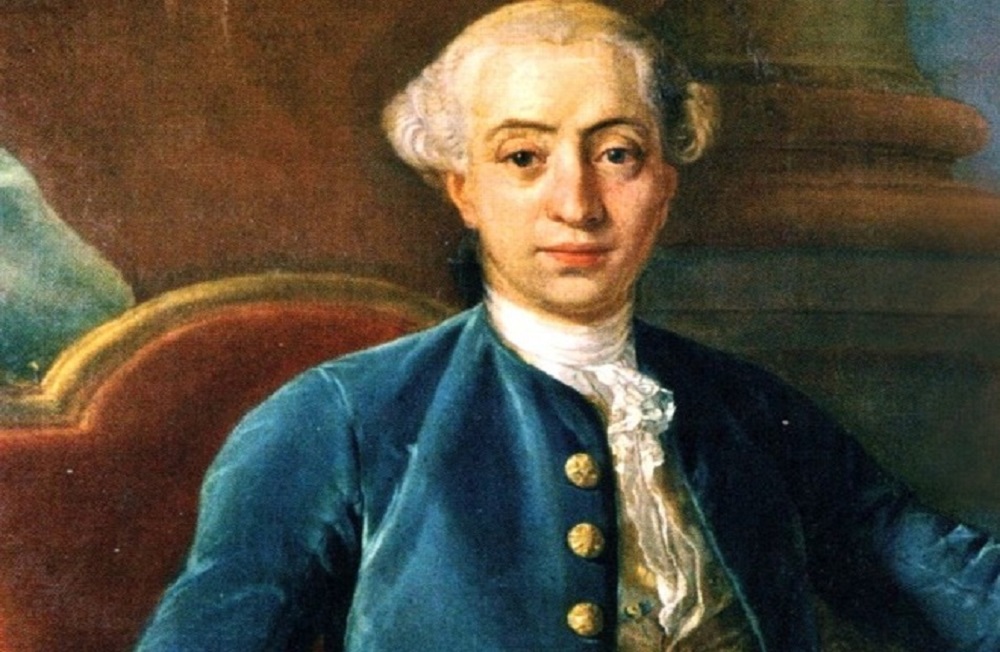
Historians today call for a more balanced view of his tumultuous life.
In the documentary “Giacomo Casanova: More Than Just a Don Juan”, biographer Alessandro Marzo Magno states:“Casanova was undoubtedly a rogue, but he wasn’t the relentless seducer he’s often portrayed to be.”
Casanova listed 116 lovers in his memoirs—a large number, but not implausible for someone sexually active for over four decades. However, romantic escapades occupy only a small portion of his 3,600-page manuscript.
Some scholars believe later interpretations deliberately exaggerated his sexual life to appeal to readers drawn to erotic tales.
Over time, Casanova’s image shifted from that of a libertine to a man of intellect. Despite his glamorous and adventurous life, he died poor and alone. Those around him encouraged him to write his memoirs to battle depression—ultimately producing one of the most famous autobiographies in literary history.
-

-

-

-

-

-