WHO Faces Budget Crisis as U.S. Exit Forces Strategic Cuts and Shifts Global Power
With Trump initiating U.S. withdrawal from the WHO, global health leaders gather in Geneva to plan priorities amid a $600M shortfall and China stepping in as top funder.
Watan News
With Trump initiating U.S. withdrawal from the WHO, global health leaders gather in Geneva
Watan-Hundreds of officials from the World Health Organization (WHO), donor agencies, and diplomats are gathering in Geneva starting Monday for an annual summit dominated by one central question: how can the WHO continue addressing crises from smallpox to cholera without its main funder—the United States?
This weeklong annual meeting includes discussions, votes, and key decisions showcasing the UN agency’s role in disease outbreaks, vaccine approvals, and global health system support.
But this year’s core issue is scaling back the organization’s scope, after U.S. President Donald Trump initiated a formal one-year process to withdraw from the WHO via an executive order on his first day in office this January.
“Our goal is to focus on high-value priorities,” said Daniel Thornton, WHO’s director of resource mobilization, in a statement to Reuters.
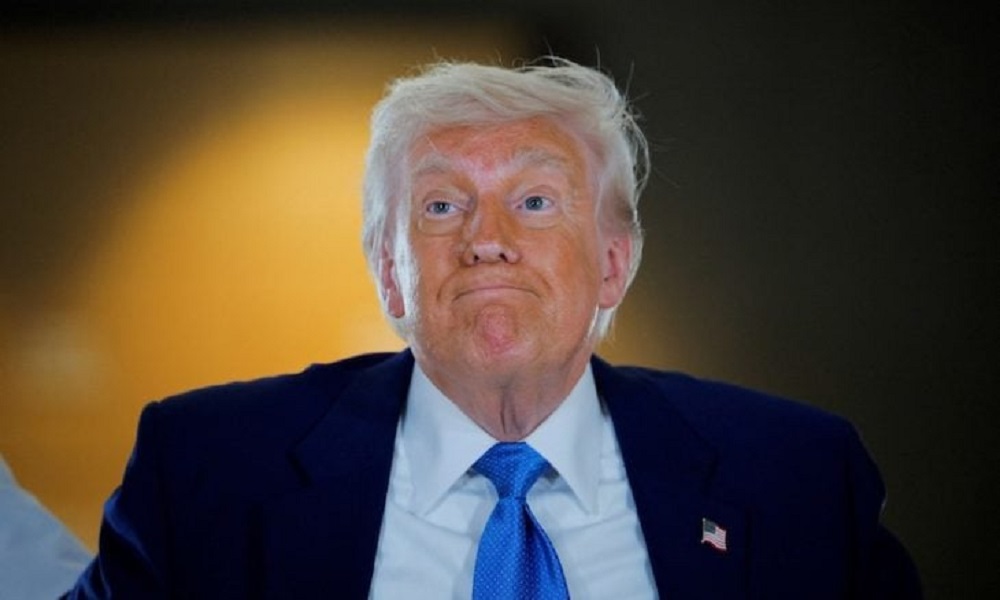
U.S. President Donald Trump
WHO Preserves Core Functions Amid U.S. Exit and $600M Funding Gap
Health officials say core WHO functions—like providing guidance on new vaccines and treatments for conditions ranging from obesity to HIV—will remain intact. However, programs like training and offices in wealthier countries may be shut down.
A confidential WHO presentation seen by Reuters confirms that drug approval and outbreak response roles will be preserved, while less essential activities face downsizing.
The U.S. previously contributed around 18% of WHO funding. “We’ll have to make do with what we have,” said one Western diplomat anonymously.
Since Trump’s withdrawal order in January—part of a wider wave of executive moves and aid cuts that disrupted multilateral initiatives—WHO has been preparing by reducing directors and trimming budgets.
Despite the year-long legal delay for the U.S. exit, its official departure is scheduled for January 21, 2026. The U.S. flag will remain outside WHO headquarters in Geneva until then.
Trump caused further confusion days after the order by suggesting he might reconsider if the WHO “cleans itself up.” Yet global health envoys say he hasn’t shown signs of reversing course.
Facing a $600 million budget shortfall and planned 21% cuts over the next two years, WHO is pressing forward with strategic restructuring.
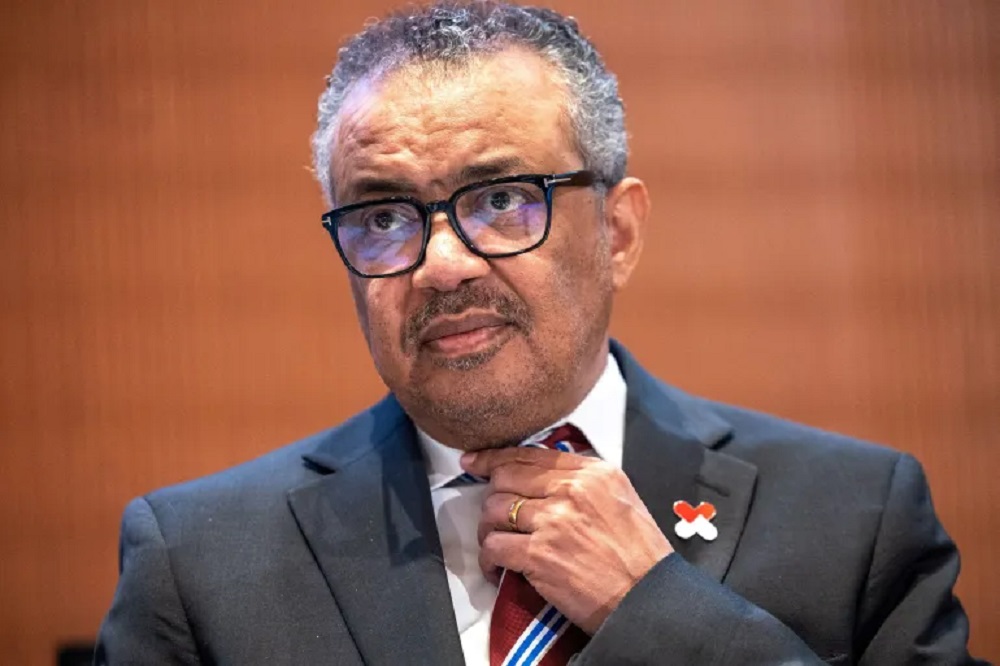
Tedros Adhanom Ghebreyesus
China Steps In
As the U.S. exits, China is poised to become the WHO’s largest assessed contributor—one of the agency’s key funding sources alongside voluntary donations. China’s contribution will rise from just over 15% to 20% under a major funding reform agreed in 2022.
“We must learn to function in multilateral organizations without the Americans. Life goes on,” said Chen Xu, China’s ambassador to Geneva, last month.
Others see this moment as an opportunity for sweeping reform rather than maintaining a reshuffled donor hierarchy.
“Does the WHO need all its committees? Does it need to publish thousands of documents every year?” asked Anil Soni, CEO of the WHO Foundation, an independent fundraising body.
Soni noted the crisis has forced the agency to rethink priorities, including whether it should handle logistics like fuel purchasing during emergencies.
To prevent key projects from collapsing, WHO is now leaning on mission-focused donors—such as pharmaceutical firms and philanthropic organizations.
Recently, the ELMA Foundation—which supports child health in Africa—contributed $2 million to sustain the Global Measles and Rubella Laboratory Network (GMRLN), involving over 700 labs tracking infectious disease threats.
Meanwhile, WHO continues work on finalizing a historic global agreement on future pandemic preparedness and organizing new donor investment rounds.
But funding remains the central challenge. Ahead of the summit, WHO’s Director-General emailed staff urging them to volunteer—unpaid—as event guides.