
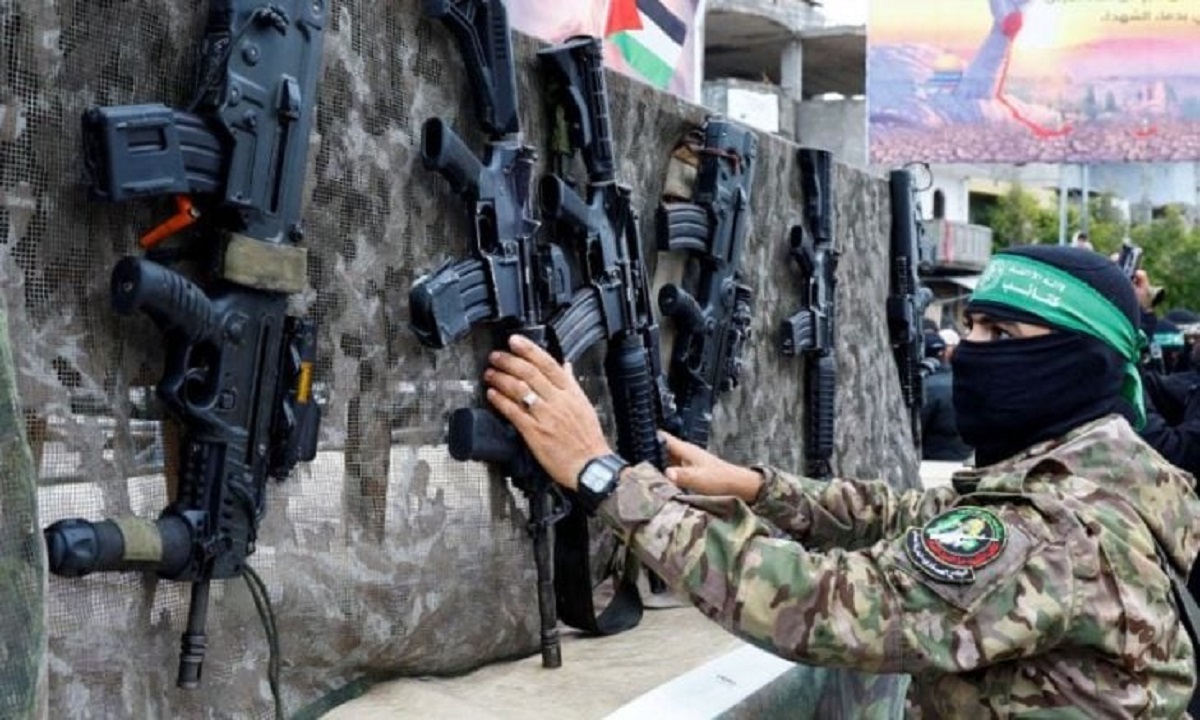
Watan-Amid positive signs regarding the ongoing ceasefire negotiations in Doha about resuming the Gaza ceasefire agreement, Egyptian sources revealed that recently, the U.S. has shifted its stance based on the plan presented by Cairo, which was endorsed by the Arab League during the emergency summit on March 4.
This shift reflects a growing realization that Israeli goals related to disarming Gaza’s resistance are unrealistic. The U.S. administration has now begun to study Egypt’s proposals in terms of their practicality, which addresses Israeli objectives while also taking into account the unique situation in Gaza.
According to an Egyptian source, Cairo recently informed the U.S. that it is unrealistic and illogical to expect mediators or Arab parties to achieve what Israel failed to accomplish during its 15-month military operations with unlimited military capabilities. The source emphasized that Israel’s goal of dismantling Hamas in the manner proposed by Tel Aviv is impossible to achieve.
In contrast, the source pointed out that the U.S. has become more receptive to Egypt’s proposal concerning the management of Gaza, which envisions excluding Hamas from leadership roles in both the civil administration and security structure of the region.

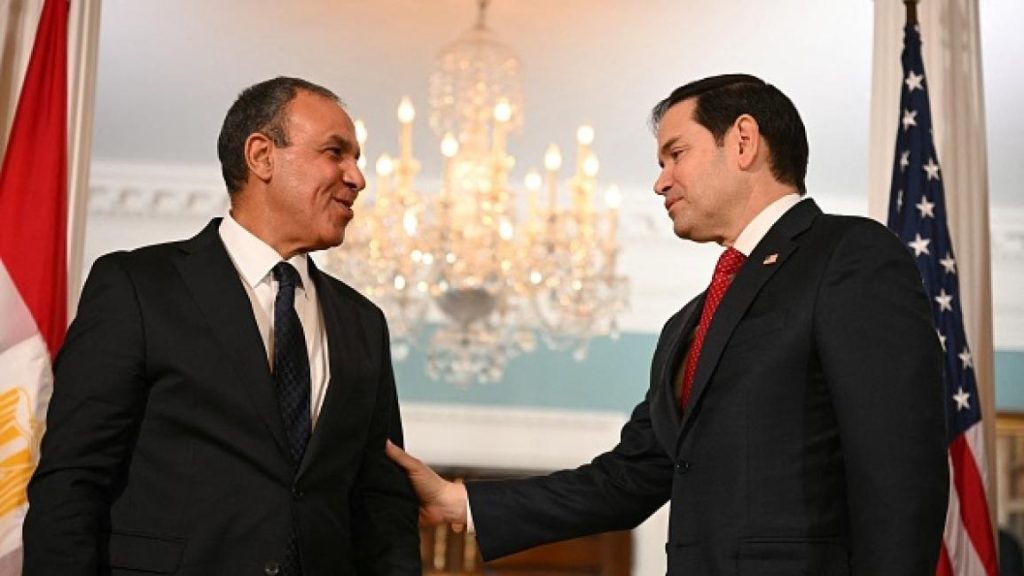
Cairo’s Proposal for Non-Factional Governance in Gaza
The source explained that Cairo has shared with the U.S. a comprehensive vision for an administrative committee to manage Gaza’s civil affairs. This committee would consist of non-partisan figures, with no affiliations or loyalties to any faction.
Cairo also presented to the U.S. the agreement reached with Hamas leaders during recent talks, where Hamas officials agreed to allow a temporary administrative committee, which will include security aspects and ensure that Hamas relinquishes control over Gaza’s police. Currently, Egypt and Jordan are training police officers who will form the senior leadership of Gaza’s non-factional police force.
Alignment with Israeli Political Goals
According to the source, the committee and security proposals align largely with Israel’s publicly stated goals, making it easier to present this framework to Netanyahu’s government. This could lead to progress in the transitional phase of the ceasefire negotiations.
The source also revealed that the U.S. has recently shifted its position, as U.S. officials involved in the Gaza negotiations have begun to study Hamas’s proposal for a long-term truce, which could be a compromise that satisfies all parties. The proposal would allow Hamas to end the current war while enabling Netanyahu to manage domestic pressures and reject calls for a complete end to the war.
Hamas Demands Full Implementation of the Ceasefire Agreement
Hamas spokesman Jihad Taha expressed appreciation for the efforts of mediators, reiterating that Israel must move to the second phase of the ceasefire agreement. Taha stressed the need to stop delaying or evading commitments that have already been agreed upon.
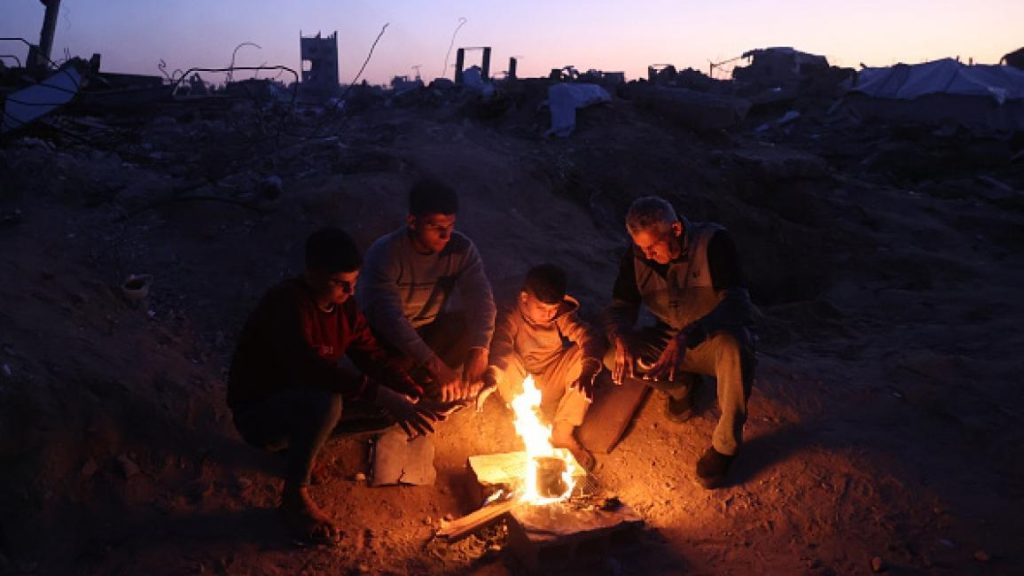
He emphasized that Hamas is fully committed to the agreement and is open to any issues that serve the Palestinian people and their rights. He expressed hope that the outcomes of negotiations in Cairo and Doha would ensure the implementation of the agreement, compel Israel to lift the blockade on Gaza, and allow the entry of humanitarian convoys to alleviate the worsening humanitarian crisis.
Taha also underscored that Hamas’s key demands in the negotiations include:
- Full Israeli withdrawal from Gaza
- A permanent ceasefire
- Immediate reconstruction efforts
- Addressing the devastating humanitarian and social effects of Israeli aggression

Continued Diplomatic Efforts
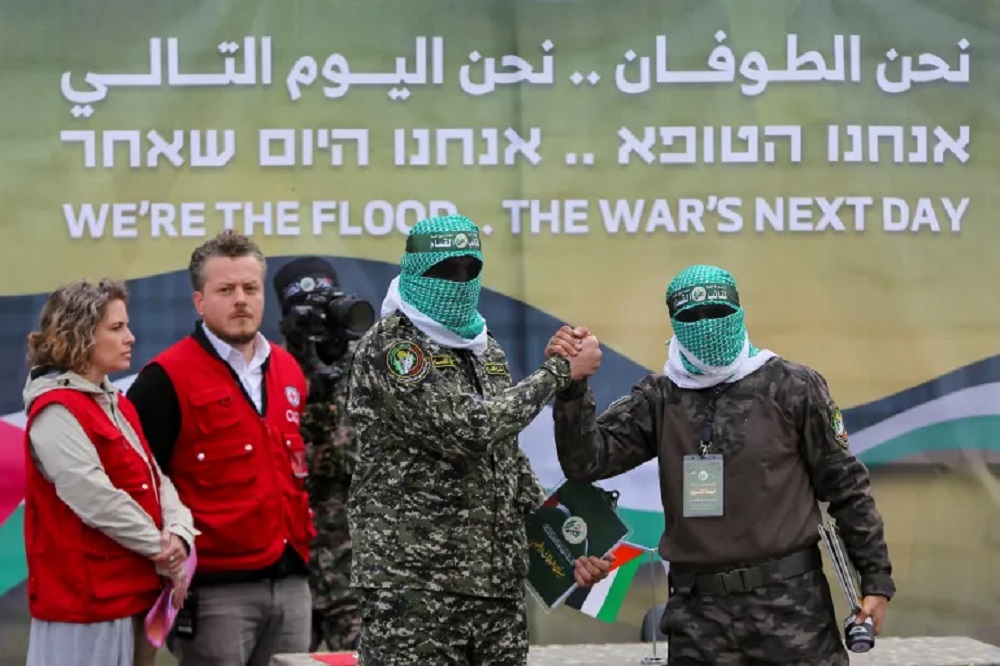
Cairo and Doha have been hosting political and diplomatic meetings in recent days, with the presence of U.S. Middle East envoy Stephen Whitkoff, to ensure the continued implementation of the ceasefire agreement in Gaza.
-

-

-

-

-

-

