Massive Fire Engulfs Royal Plastic Factory in Hebron: A Crisis Unfolds
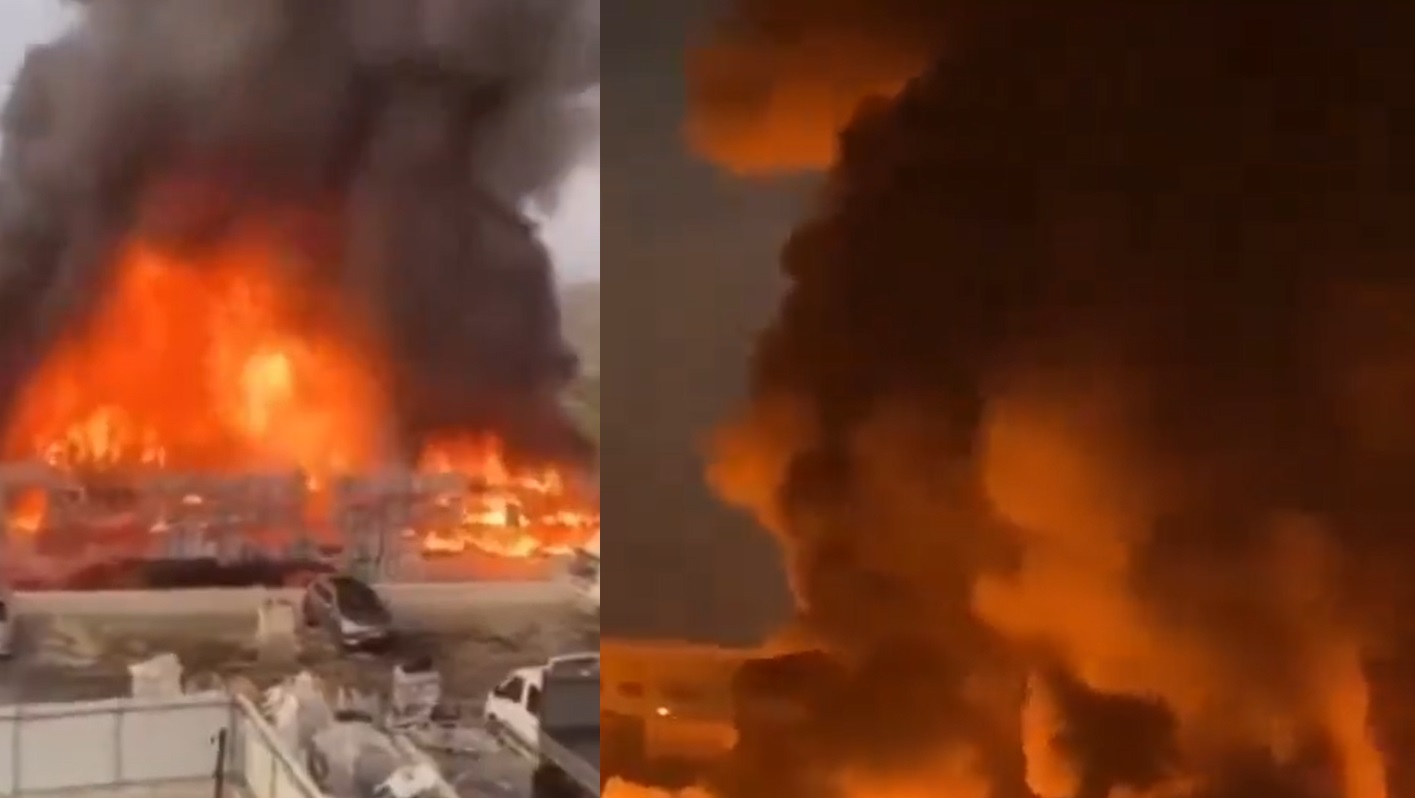
Watan-A massive fire broke out in the Royal Plastic Factory in the city of Hebron, Palestine, and the flames rose frighteningly high to the extent that the fire was seen from Jordan.
The cameras of Jordanian citizens documented scenes of the massive fire, while an official from the Royal company mentioned that the fire ignited in a warehouse belonging to the company, with no workers inside.


The Royal factory is located in the Bir Haram Ramallah area, north of the city of Hebron, and it is considered a cornerstone of the Palestinian economy, employing nearly a thousand workers.
However, local sources confirmed that ambulances were present in the area searching for any possible damages.
Firefighting vehicles from various private and governmental fire stations, as well as water tanks, arrived at the scene to assist in extinguishing the fire.
The Civil Defense announced the dispatch of teams and vehicles from the Hebron Civil Defense, Bethlehem, and additional teams from the outskirts of Jerusalem, Jericho, and the Central Support to the site of the fire.
نشوب حريق ضخم داخل مصنع رويال للبلاستيك بمنطقة بئر حرم الرامة في الخليل
وبلدية الخليل اعلنت عجزها عن السيطرة على الحريق في المصنع الممتلئ بالمواد البلاستيكية والقابلة للاشتعال.
اللهم الطف بهم
لا حول ولا قوة إلا بالله ! pic.twitter.com/EUiLIGpLcD— NawraS (@Nawras_Atta) February 27, 2024
Hebron’s unprecedented fire
The mayor of Hebron, Taysir Abu Sneineh, stated that the province had never witnessed a fire like this before, and that extinguishing it exceeded the available capabilities in the province.
Abu Sneineh added that the materials used in the factory are highly flammable, describing the situation as out of control.
He continued that Civil Defense teams and the Hebron Fire Department rushed to the scene in an attempt to control the fire, which had reached warehouses containing plastic and chemical materials.
برداً وسلاما على الخليل وأهلها
حريق في مصانع الرويال للبلاستيك منذ ساعات
الحريق امتد للشوارع والممتلكات والاحتلال يرفض اخماده pic.twitter.com/D5vhIHFPNt— جَفرَا الحُب والثَورة 🇵🇸 𓂆 (@jafra_ps) February 27, 2024
This came amid fears of the fire spreading to nearby homes.
Abu Sneineh urged citizens to stay away from the fire site and to remove their vehicles from the roads leading to the site.