Iran Warns of Israeli Sabotage Amid Cautious Progress in U.S. Nuclear Talks
Foreign Minister Abbas Araghchi accuses Israel of attempting to derail negotiations; Iran remains alert to sabotage and optimistic about reaching a fair deal.
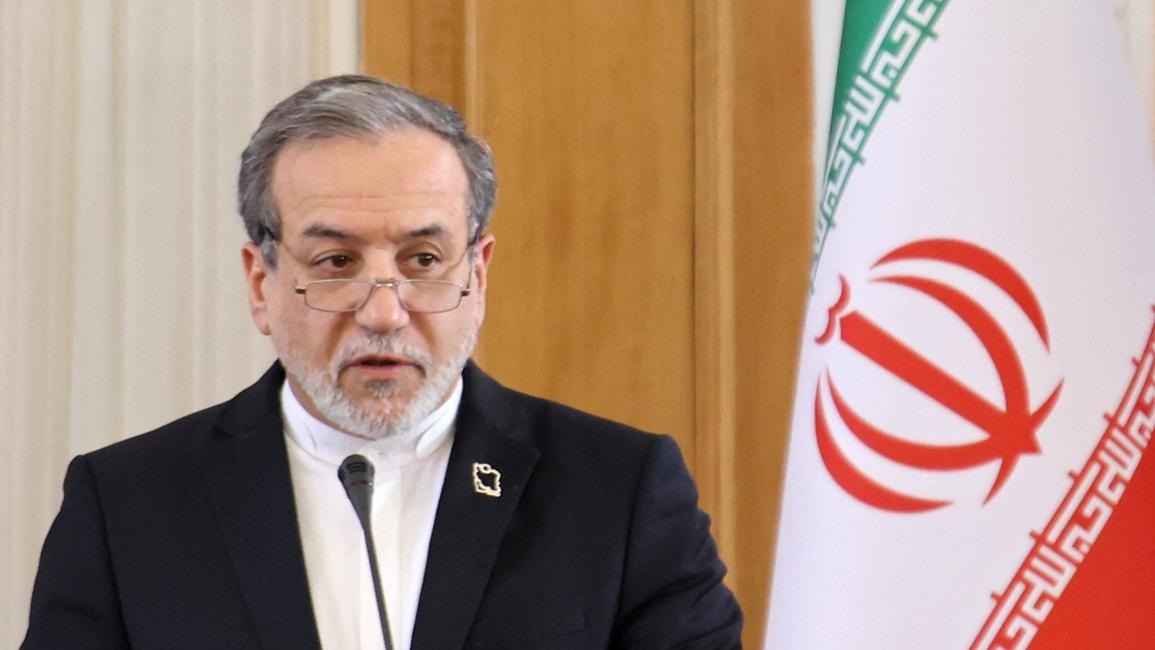
Watan-Iranian Foreign Minister Abbas Araghchi warned on Wednesday of Israeli attempts to sabotage U.S.-Iran nuclear negotiations. In a tweet, he stated, “The Zionist entity and vested interest groups are clearly trying to derail diplomacy through various tactics.” He added that “our intelligence and security forces are fully alert, based on past experiences, to counter any sabotage or assassination attempts aimed at provoking us into a legitimate response.”
Araghchi also anticipated that those trying to deceive public opinion would present “fantastical claims backed by frightening satellite imagery,” a veiled reference to potential allegations regarding undisclosed Iranian nuclear sites. He stressed, “Every milligram of enriched uranium in Iran is under full and continuous monitoring by the International Atomic Energy Agency (IAEA).”


Speaking to Iranian television from China later on Wednesday, Araghchi stated that talks with the American side had so far yielded “better understanding than before regarding certain principles, concepts, and negotiation objectives.” He affirmed that if the U.S. demand is for Iran not to possess nuclear weapons, “that is a verifiable demand, but if the demands are impractical and illogical, naturally we will face problems.”
He noted that Iran’s caution “has serious reasons,” and that “we receive contradictory messages from America in the media.” However, he said that the indirect nature of the negotiations has not been an obstacle, and talks are progressing.
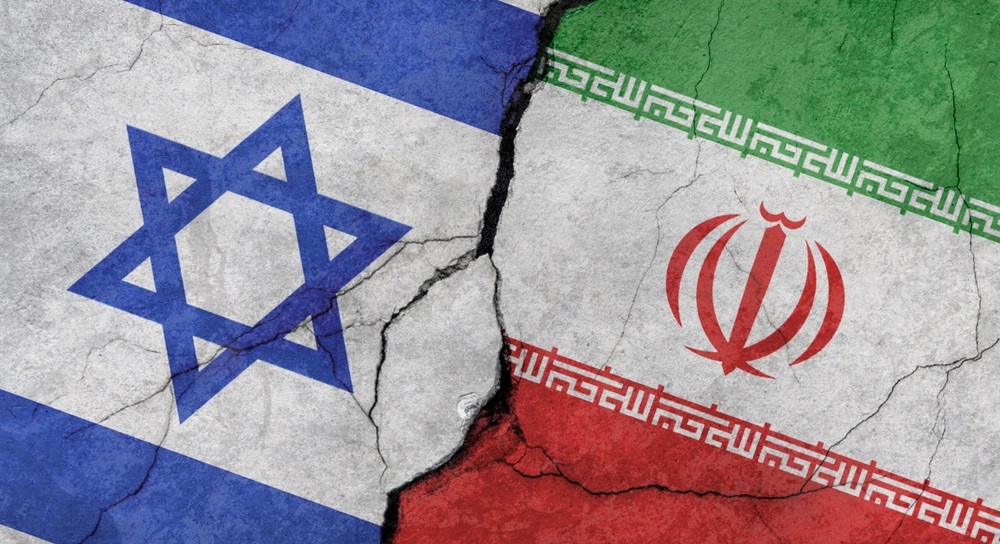
Cautious Optimism in Ongoing Iran-U.S. Nuclear Talks
Earlier in the day, Araghchi said it’s “too early to judge” the negotiations’ outcome but added, “we remain cautiously optimistic.” Speaking to Iranian media from Beijing, he said, “I am confident a good agreement can be reached eventually if the U.S. maintains a constructive approach and refrains from making unacceptable demands.”
On Tuesday evening, the Iranian Foreign Ministry announced that a technical discussion session originally scheduled for Wednesday had been postponed to Saturday. The ministry said the postponement was suggested by Oman and approved by both Iran and the U.S. The session will coincide with the presence of chief negotiators Abbas Araghchi and Steve Witkoff in Muscat. Since April 12, the two sides have held two rounds of negotiations in Muscat and Rome, both of which were described as “positive” and “constructive.”
The negotiations, which began on April 12 in Oman, are the first between Iran and the U.S. under President Donald Trump’s administration. High-level discussions between Iranian Foreign Minister Abbas Araghchi and U.S. Middle East envoy Steve Witkoff continued with a second round held last Saturday in Rome. Both sides described the talks as “constructive.”