Tunisian Hospitals Seek Over 800 Million Dinars for Migrant Healthcare Costs
Public hospitals in Tunisia struggle with mounting debts after providing free medical care to migrants, urging international organizations to fulfill financial commitments.
Watan-Tunisian hospitals are attempting to recover more than 800 million dinars from international organizations responsible for migrant affairs, which were spent in 2024 on providing medical and healthcare services to migrants who received treatment in public health institutions.
Tunisian healthcare institutions are committed to offering free healthcare services to migrants, despite criticism from civil society regarding the difficult living conditions that expose them to diseases.

Rising Healthcare Costs for Migrants: Tunisia Seeks International Funding
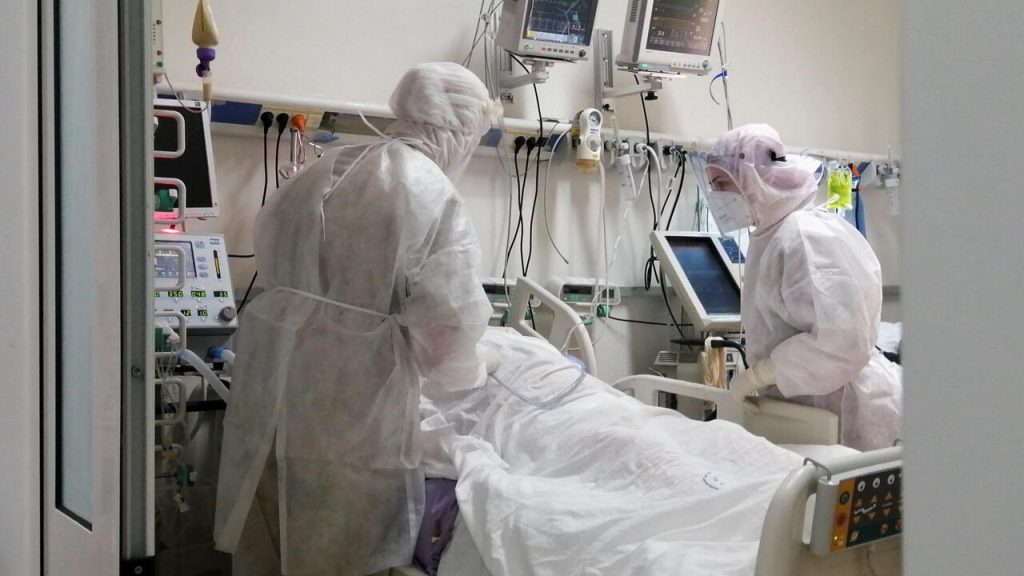
He stressed “the importance of providing medical services to migrants and ensuring their healthcare to prevent the spread of diseases and epidemics that can be transmitted through human mobility from one country to another.”
According to the same source, healthcare services for migrants in Tunisian hospitals last year helped detect 180 cases of malaria, 317 cases of AIDS, and 169 cases of tuberculosis—diseases that require long-term treatment. He highlighted that medical care for migrants is part of the country’s health security, stressing “the necessity for international organizations to fulfill their role in providing the necessary financial allocations to cover migrants’ medical expenses.”
He noted that the continued commitment of public health institutions to offering medical services to migrants despite mounting debts aligns with Tunisia’s adherence to international treaties and commitments that protect the rights of these groups and ensure their access to healthcare, as stipulated in the Tunisian constitution.
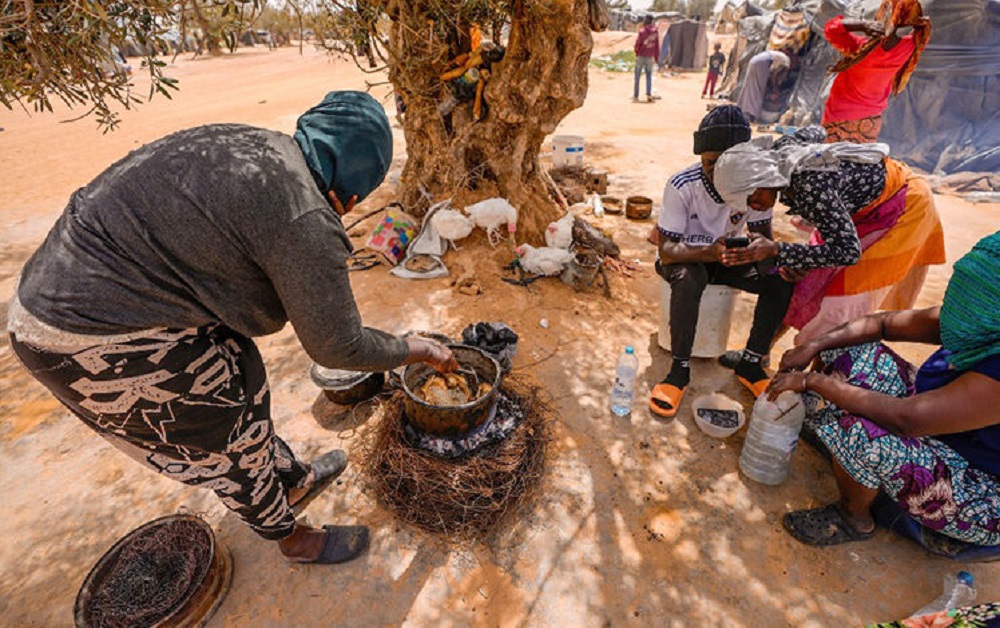
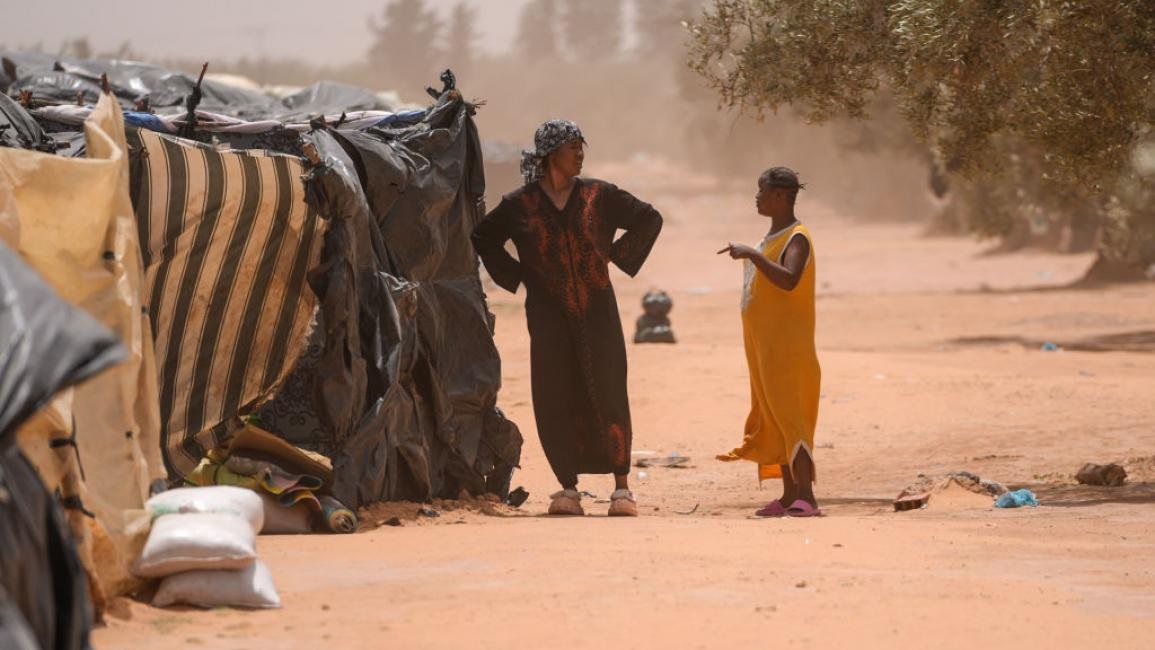
According to unofficial data, the number of migrants in Tunisia is estimated at more than 50,000, including around 20,000 who live in tents in agricultural areas in the Sfax governorate without adequate health monitoring. A field study conducted by the Tunisian Forum for Economic and Social Rights on the situation of migrants and their right to healthcare revealed that 65.2% of surveyed migrants turn to pharmacies when they fall ill to obtain medication, while 56.5% rely on traditional treatments.
Additionally, 24% seek care in hospitals, 7.9% visit private clinics, and many of those surveyed in the study—whose results were published in July—cited financial difficulties and fear of arrest as major obstacles preventing them from seeking treatment at relevant institutions.
Migration and Displacement
Tunisian Migrants Warm Themselves with Olive Branches
The lack of healthcare for migrants is raising concerns among activists in Tunisia, especially amid growing global health crises and the spread of epidemics, which make vulnerable populations more susceptible to infections. Moreover, medical treatment, medication, and preventive measures are not adequately provided for migrants in the country, increasing their risk of contracting both communicable and non-communicable diseases.
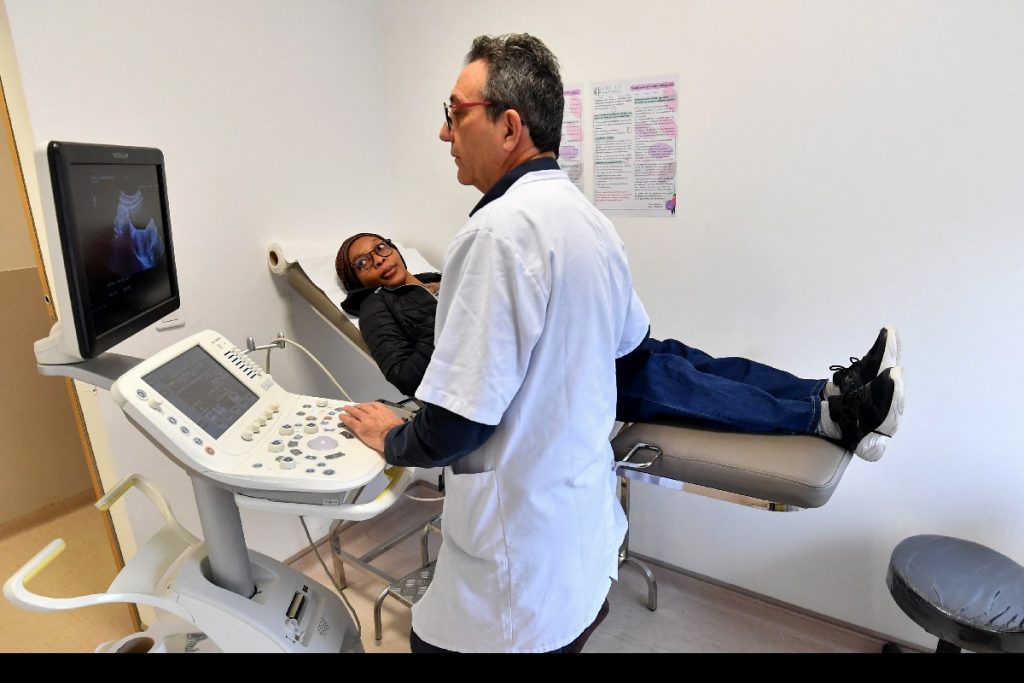
A few months ago, the Tunisian Red Crescent announced the launch of the first national humanitarian care project for migrants from sub-Saharan Africa, aimed at providing healthcare and shelter for around 25,000 migrants at a cost exceeding 60 million dinars (approximately $20 million). The Tunisian Red Crescent is leading the project in partnership with international organizations and agencies concerned with migrant and refugee affairs.