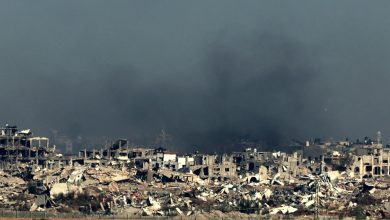
UAE Becomes Top Destination for Israeli Soldiers Amid Gaza War
Record numbers of Israeli officers and soldiers flock to the UAE, finding a secure and welcoming environment despite ongoing wars in Gaza and Lebanon.
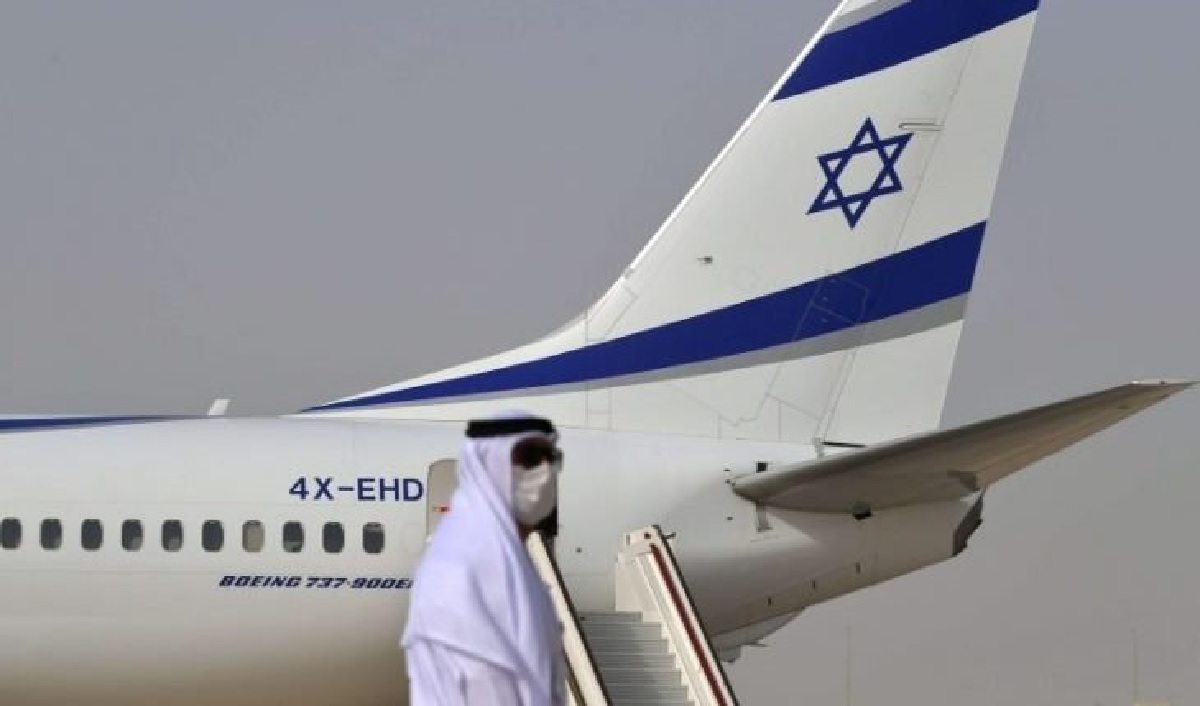
Watan-The United Arab Emirates recorded the highest number of visits by Israeli officers and soldiers over the past year, even amid Israel’s war of extermination in Gaza and Lebanon, according to reports from Hebrew media.
The UAE has become the preferred destination for Israeli officers and soldiers, with Dubai now topping the list of cities they choose to visit during winter, surpassing major European and American destinations like Athens, Rome, Budapest, and New York.


The Hebrew website “Mako” reported that around 116,000 Israelis traveled to the UAE, representing more than 10% of all departures from Ben Gurion Airport in recent months.

UAE: A Safe Haven for Israeli Soldiers Amid War
According to statistics, Ben Gurion Airport handled approximately 34,900 passengers on Tuesday, across 228 arriving and departing international flights. Around 17,200 passengers departed on international flights, while roughly 17,700 travelers entered Israel.
This figure is relatively low compared to previous days when daily passenger numbers exceeded 40,000.
Although the Hebrew report did not specify how many travelers stayed in the UAE versus those who continued to other destinations, the numbers highlight the significant appeal of the UAE—especially among Israeli army officers and soldiers, who find Abu Dhabi a safe haven despite their involvement in war crimes against Palestinians and Lebanese.

The Israeli embassy in Abu Dhabi is the only fully operational Israeli embassy in the Arab world since the start of Israel’s assault on Gaza. Meanwhile, other countries have kept their ties with Israel at a minimum or partially severed them due to Israeli massacres.
Beyond political advantages, the UAE provides significant logistical benefits for Israelis. The low-cost airline FlyDubai operates eight daily flights between Dubai and Tel Aviv, matching the number of daily flights run by Emirates Airlines, with an additional flight set to be added by the end of October 2024.
Analysts suggest that the influx of Israelis—especially soldiers—into the UAE reflects the high level of coordination between Abu Dhabi and Tel Aviv, as Israelis find the UAE a secure and comfortable environment, free from pressure or threats, and offering them unprecedented protection.
Despite the killing of Rabbi Tzvi Kogan in Abu Dhabi, which briefly raised concerns among Israelis, it did not impact the continued flow of travelers to the Gulf state. This underscores how the UAE has effectively become a preferred political and tourist destination for Israelis, regardless of the crimes committed by their army in Gaza and Lebanon.
Media reports indicate that the UAE maintained an air bridge with Israel during military operations in Gaza. FlyDubai operated eight daily flights from Dubai to Tel Aviv and vice versa.

Additionally, Emirates Airlines announced an expansion of its daily flight schedule between Dubai and Tel Aviv, adding an extra daily flight from the end of October 2024.
Israel’s Channel 12 reported that many Israelis prefer traveling to the UAE, citing a “non-hostile atmosphere and a sense of security.” The channel quoted Oren Cohen, an official from a travel company, as saying: “Dubai and Abu Dhabi warmly welcome Israeli tourists and are considered extremely safe.”