Gazans Celebrate Imminent Ceasefire: A Story of Resilience Amid 15 Months of War
Al Jazeera Correspondent Removes Helmet After Covering the Gaza War for Over a Year, Reflecting on Loss, Survival, and Hope for Peace.
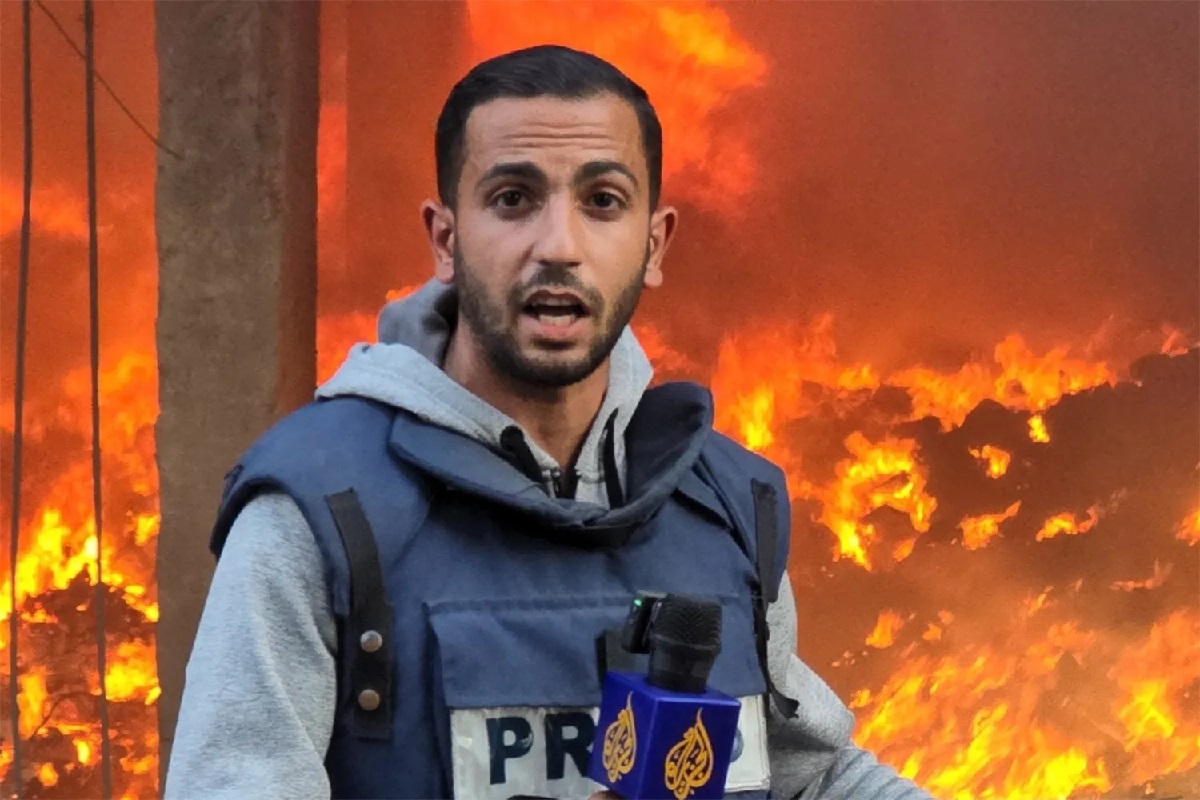
Watan–After approximately 467 days of covering the Israeli aggression on the Gaza Strip, Al Jazeera’s correspondent in the region removed his helmet following reports of an imminent announcement of a ceasefire.
Sharif, whose family home was bombed by the occupation forces resulting in the death of his father, appeared standing among the residents who began celebrating and chanting with joy over the news of the war ending in Gaza City.


Sharif took off his helmet, which he said had burdened him, along with his press vest, which had become a part of him over the past 15 months.
In his first appearance shortly before the official announcement of the end of the war on Gaza, Sharif remembered his colleagues who were martyred during the war, including reporter Ismail Al-Ghoul, Hamza Al-Dahdouh, and Samer Abu Deqqa. He also spoke about others who were injured and couldn’t receive proper medical treatment, such as his colleague Fadi Al-Wahidi, who had accompanied him with a camera during his coverage of the war on the strip.
While Sharif was speaking to Al Jazeera, Gazans gathered around him and lifted him onto their shoulders in a gesture of appreciation and gratitude for his coverage during the war, despite the explicit threats he received from the occupation.
According to Sharif, celebrations had begun in all areas and streets of the strip, including in the shelters, where people had been waiting for this moment for many long months.
The Al Jazeera correspondent mentioned that the residents of the strip are awaiting the return of prisoners and that the displaced are preparing to return to their homes following discussions of a complete ceasefire agreement. However, he also pointed out that the occupation’s aircraft were still in the skies over the strip and were bombing its northern areas.
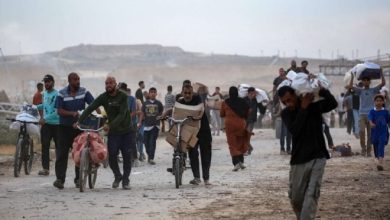
Despite the difficult conditions faced by people in various parts of the strip, they are celebrating the near end of the fighting, having endured in their land and resisted the extermination and displacement attempts by the occupation.
Sharif noted that the moments of joy were mixed with feelings of sadness and loss, indicating that people yearn for the sense of security they had lost throughout the war.
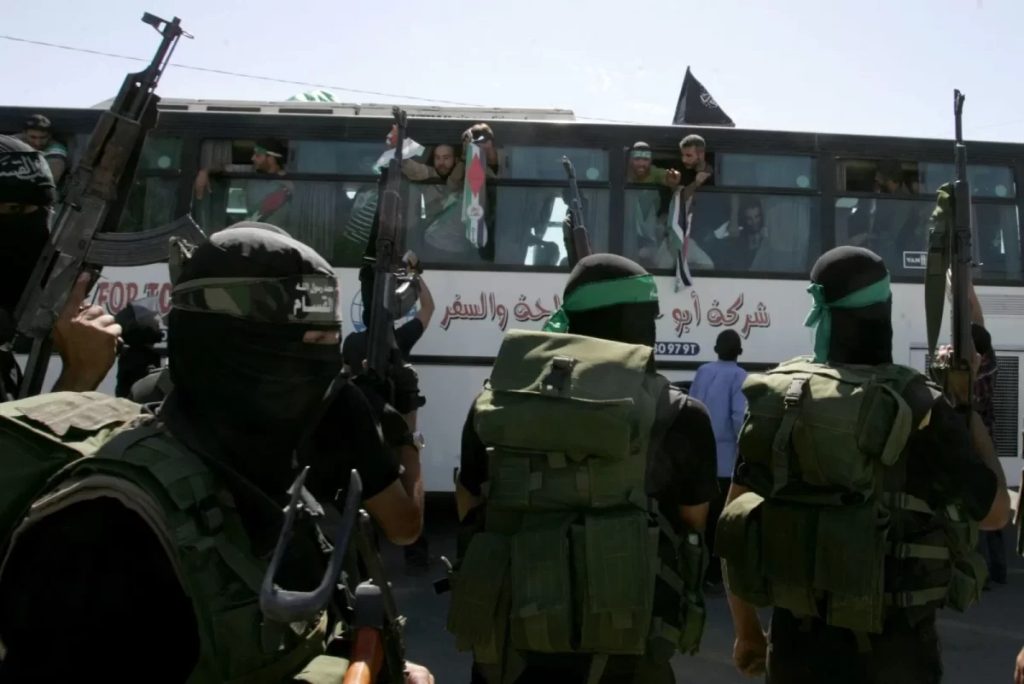
The Israeli Broadcasting Authority had recently reported that Israel officially confirmed a ceasefire deal in the strip, opening the door to the possibility of ending the ongoing aggression that has lasted for 15 months and resulted in thousands of martyrs and injuries in the strip.
Additionally, the newly elected U.S. President Donald Trump announced the agreement, declaring the imminent release of detainees.
Sources informed Al Jazeera that the ceasefire in Gaza is expected to begin within two or three days, adding that there is a humanitarian relief protocol linked to the implementation of the first phase, which includes the daily entry of 600 aid trucks.