Israeli Captives Urge Protests as Hamas Airs Video Blaming War Resumption for Deaths
Two Israeli prisoners in Gaza accuse their government of endangering their lives by rejecting the ceasefire deal and resuming deadly attacks.

Watan-The Al-Qassam Brigades, the military wing of Hamas, aired a video on Monday evening showing two Israeli captives in their custody. In the video, the captives criticize their government for resuming the war on Gaza, warning that this decision could lead to their deaths—just like other captives who were killed by the brutal Israeli airstrikes on the besieged strip.
In the video, titled “Tell Them, Ohad” (referring to a released captive from the first phase of the truce deal), the two captives say:“Ohad, why don’t you tell them? You were with us, you sat with us. Speak for us—you know how much we’re suffering here. You know what the situation was like during the deal and during the war.”

They added that they were “hit hard” when their government decided to resume the war on Gaza and destroy the ceasefire agreement. “This assault could be our end,” they warned, calling on the families of other captives to intensify protests and demonstrations to pressure the government into returning to the truce and resuming negotiations for a prisoner exchange deal.
Ceasefire Collapses as Israel Renews Gaza Assault
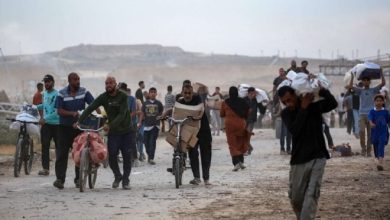
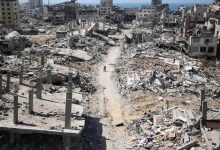
On March 18, the Israeli occupation government announced the resumption of the war and its refusal to proceed with the second phase of the ceasefire agreement, which consisted of three phases and would have ended with a final halt to the war of extermination. Israel resumed its war by launching hundreds of airstrikes on tents of displaced civilians and residential homes in the besieged Strip, killing around 700 Palestinians shortly after the war resumed.
“الهجوم الحالي قد يؤدي لمقتلنا”..
كتائب القسام تنشر مقطع فيديو يتضمن رسالة من أسيرين إسرائيليين للمجتمع الصهيوني. pic.twitter.com/0Iotlcugds— رضوان الأخرس (@rdooan) March 24, 2025
In the days following the resumption of the war, negotiations to reach a new ceasefire agreement before Eid al-Fitr hit a dead end. Mediators informed Hamas that there is no prospect of a near-term agreement, due to Israel’s firm rejection of the proposals that had been discussed over the previous six days following the military escalation.
In this context, Egyptian sources told Al-Araby Al-Jadeed that an Israeli security delegation left Cairo on Saturday evening without reaching any agreement regarding several proposals Egypt had put forward to broker a quick ceasefire deal in Gaza. Mediators in Egypt and Qatar have since informed Hamas leadership that the negotiations have stalled for now, even as Israeli aggression intensifies in the Strip.
This comes despite Hamas showing openness to the latest Egyptian proposal—which included releasing a number of Israeli captives in exchange for a “humanitarian” ceasefire—and expressing a positive attitude toward the deal.
The same sources confirmed that Israel rejected all efforts to reach a resolution, appearing to pursue a non-declared policy of continuing military operations, disregarding international efforts to revive the ceasefire agreement that was signed in January.