Massacre in Gaza: Over 18,000 Children and 12,000 Women Killed, 2,180 Families Completely Wiped Out
Government Media Office: Over 65% of Victims Are Children, Women, and the Elderly as Targeted Killings and War Crimes Continue
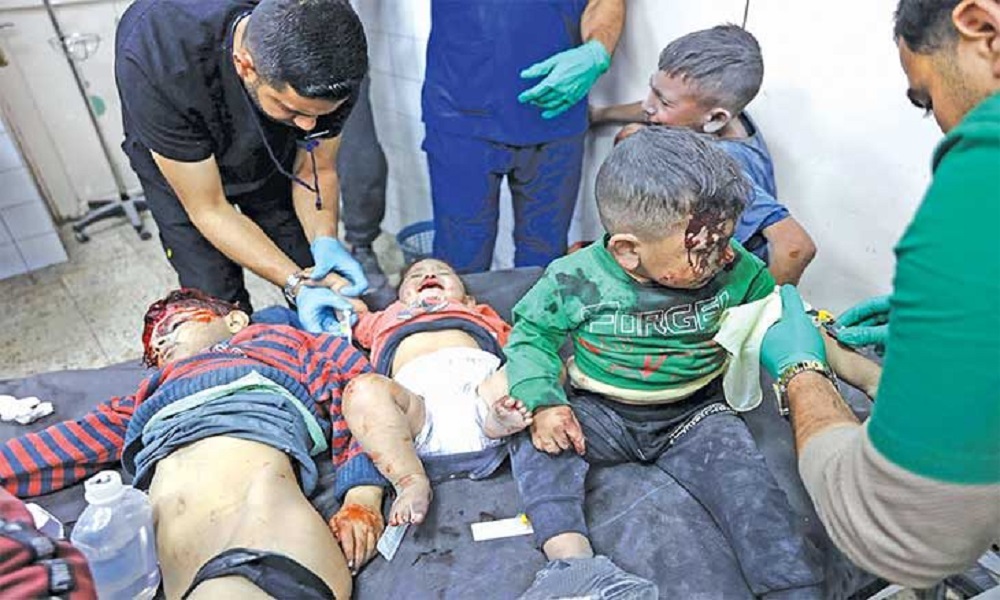
Watan-The Government Media Office confirmed on Sunday that the Israeli occupation is deliberately killing civilians in Gaza as part of a systematic policy of genocide, committing organized crimes and blatant violations of international law.
In a statement, the office explained that “the occupation army continues to commit genocide against the Palestinian people deliberately and directly, by indiscriminately targeting unarmed civilians, in a flagrant violation of the provisions of international humanitarian law, the rules of the four Geneva Conventions, and the most basic ethical and humanitarian principles.”
The office pointed out that field evidence—documented by governmental and non-governmental institutions, human rights centers, and international organizations, as well as testimonies from Israeli pilots who openly admitted to targeting civilians during the bombardment of residential neighborhoods—confirms beyond any doubt that the occupation intentionally kills civilians without justification, making no distinction between a child, woman, elderly person, doctor, journalist, or paramedic.
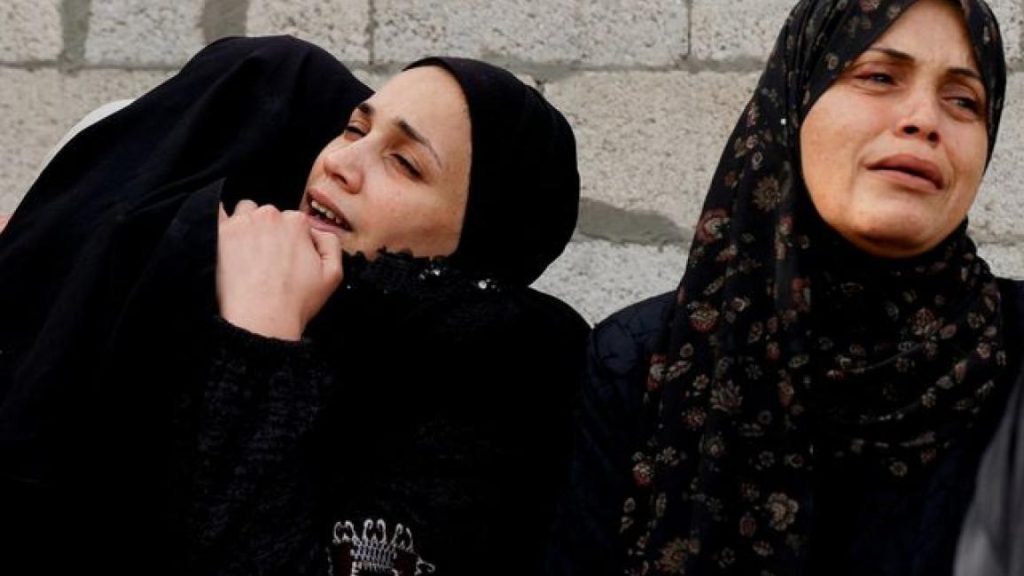
Gaza Massacre: Children, Women, Families, and Humanitarian Workers Targeted
The statement revealed the following shocking statistics:
-
Over 65% of those killed by the occupation are children, women, and the elderly.
-
More than 18,000 children killed.
-
Over 12,400 women killed.
-
Over 2,180 families completely wiped out.
-
Another 5,070 families left with only one surviving member.
The Israeli aggression on Gaza has also resulted in:
-
The killing of more than 1,400 doctors and healthcare workers, causing the collapse of the healthcare system.
-
The martyrdom of over 113 Civil Defense personnel while performing humanitarian duties.
-
The cold-blooded killing of 212 journalists, in a deliberate attempt to silence the truth.
-
The killing of more than 750 humanitarian aid workers.
Educational institutions were not spared:
-
Over 13,000 students killed.
-
More than 800 teachers and educational staff killed.
-
Over 150 university professors, researchers, and scholars killed.

Gaza Genocide: Calls for Accountability and Justice
The Government Media Office stressed that “these documented figures confirm that targeting civilians is part of a systematic policy pursued by the occupation within its plan to commit genocide and ethnic cleansing,” affirming that “the occupation’s attempts to mislead public opinion and falsify facts are exposed by field documentation and live testimonies.”
It held the Israeli occupation fully responsible for the genocide and war crimes against civilians, emphasizing that “the countries supporting Israel militarily and politically—chief among them the United States, Germany, Britain, and France—bear legal and moral responsibility for these grave violations.” The statement highlighted that “providing weapons and political cover to the occupation constitutes direct participation in the crimes and requires accountability before international courts, as complicity and assistance in committing war crimes and genocide are themselves crimes under international law.”
At the end of its statement, the Government Media Office stressed that these “crimes do not fall under the statute of limitations,” calling on the United Nations and international courts to act urgently to prosecute the occupation’s leaders and bring them to justice. It emphasized that “the blood of children, women, and the elderly will remain a witness to the brutality of the occupation and a mark of shame on the forehead of all who remain silent about these crimes,” and called on “all humanity to stand up for the innocent blood being shed under the world’s gaze and silence.”
Backed by unconditional U.S. support, Israel has been committing genocide in Gaza since October 7, 2023, leaving over 168,000 Palestinians killed or injured—most of them women and children—and over 11,000 reported missing, according to the Gaza Ministry of Health.