
Israel Approves Wietcov Ceasefire Proposal as Hamas Studies Deal Labeled Biased by Israeli Media
Netanyahu confirms acceptance of U.S. envoy Steve Wietcov’s Gaza ceasefire plan, while Hamas expresses disappointment over terms that appear to favor Israel and lack guarantees for a full withdrawal or sustained truce.
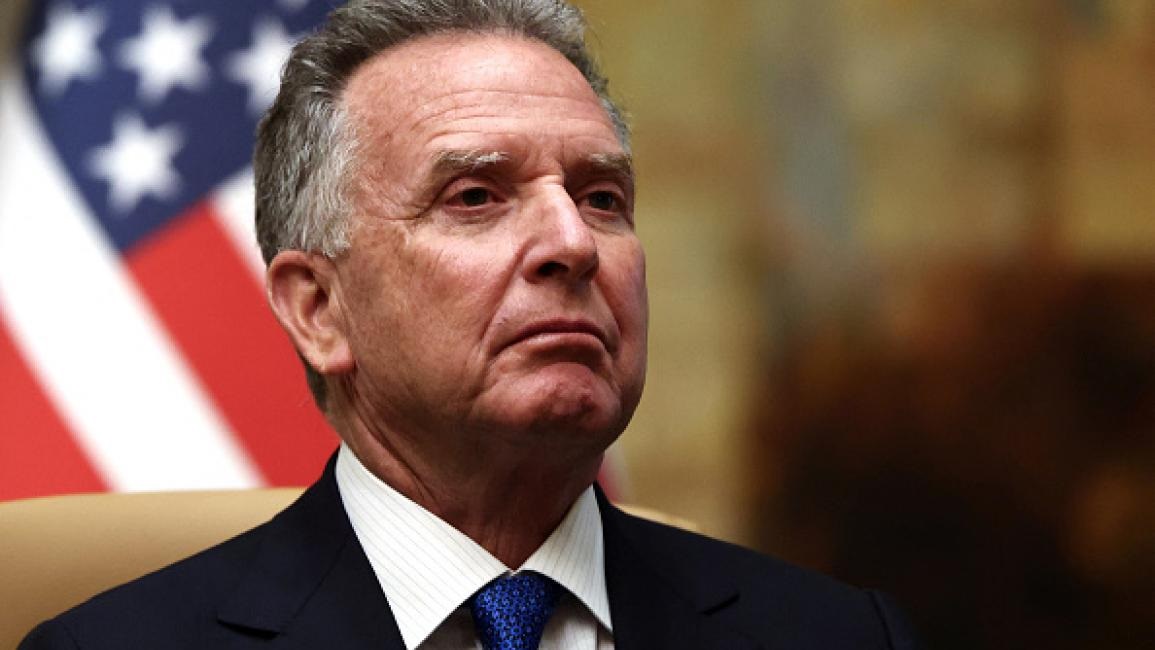
Watan-The Israeli government has approved the new ceasefire proposal presented by U.S. envoy Steve Wietcov, while Hamas is still reviewing it. Israeli media reported the plan is more favorable to Israel than previous ones.
Channel 12 quoted Prime Minister Benjamin Netanyahu as telling hostage families:


“We accept Wietcov’s new plan. Hamas has not yet responded, and we don’t believe they will release the last hostage. But we will not withdraw from Gaza without receiving all hostages.”
According to Israel’s public broadcaster, Netanyahu will hold a limited security meeting today to discuss the new track for a potential ceasefire and prisoner exchange, based on Wietcov’s latest proposal.
An Israeli source said Tel Aviv received the proposal last night, which includes:
-
The release of 10 live Israeli hostages
-
The return of 10 bodies, in two phases
-
In exchange for a 60-day temporary ceasefire
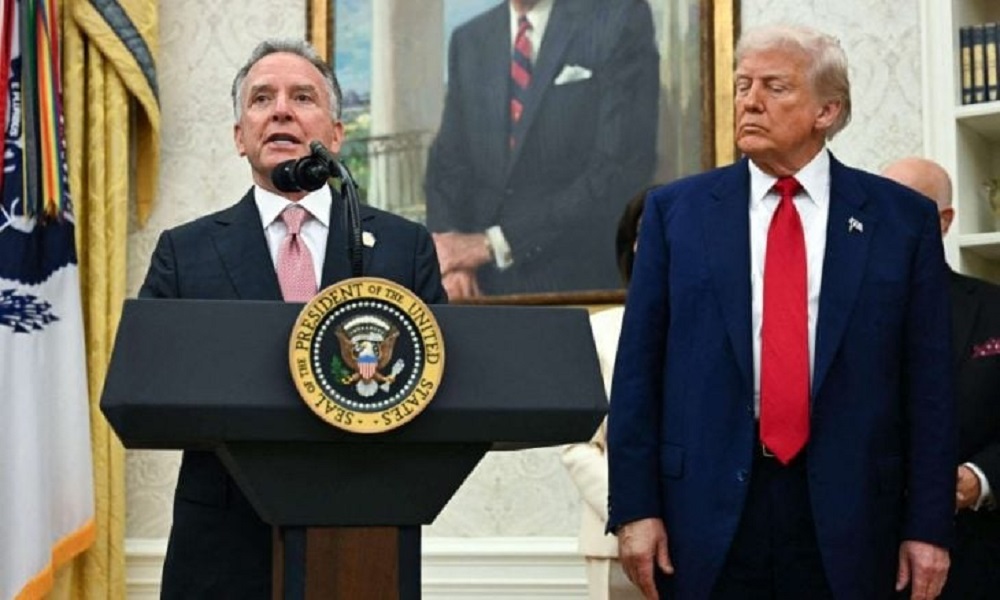
U.S.-Israel Tensions and Details of the Deal
The Times of Israel reported that earlier this week, Wietcov met in Washington with Israeli Strategic Affairs Minister Ron Dermer to discuss the hostages and Iran. The meeting was reportedly tense, with Wietcov showing signs of impatience toward Israel’s stalling.
Hamas confirmed receipt of the proposal via intermediaries, saying it is studying the plan responsibly to achieve its goals: relief for the people, and a permanent ceasefire.
However, Israeli Channel 15, citing well-informed sources, said Hamas believes the U.S. has betrayed them, offering a plan that fully adopts Israeli demands without ensuring an end to the war.
The Israeli website Walla cited a senior official saying the proposal is more biased toward Israel than earlier ones and lacks U.S. guarantees for a lasting ceasefire. The plan doesn’t specify whether the truce would continue beyond 60 days if talks fail.
Hamas Concerns and Strategic Gaps
Hamas reportedly feels the agreement would:
-
Return all hostages to Israel within the first week
-
Provide no withdrawal from Gaza
-
Offer no commitment to sustained humanitarian aid or reconstruction
Political analyst Saeed Ziyad stated the plan represents a reversal from previous negotiation tracks, calling it Israel’s counter-offer to Hamas-Wietcov understandings. He argued the deal is designed to strip Hamas of its leverage in the first week, then allow Israel to walk away.
Channel 12 also reported that, contrary to public claims, the Wietcov plan does not define military redeployment lines or how humanitarian aid would be distributed during the truce.

Opposition Support for the Deal
Opposition leader Yair Lapid urged Israel to accept the Wietcov plan “openly and immediately,” pledging full political backing for Netanyahu to approve the deal—even if ministers like Ben Gvir or Smotrich attempt to block it.
Estimates suggest 58 Israeli hostages remain in Gaza, including 20 alive, while over 10,100 Palestinians remain in Israeli prisons—many of whom, rights groups say, suffer from torture, starvation, and medical neglect.
Hostage families blamed Netanyahu for prioritizing external political calculations over a comprehensive deal, criticizing the lack of a coherent war strategy in Gaza nearly 18 months into the assault.