Lebanese Government’s Response to the Assassination of Al-Arouri: Unraveling Political Dynamics

Watan-Questions have arisen regarding the Lebanese government’s stance on the Israeli occupation’s assassination of Saleh Al-Arouri, the head of the political bureau of Hamas. The attack occurred with a strike on the southern suburbs of the Lebanese capital, Beirut, and concerns Hezbollah’s actions in the aftermath of this operation.
According to Israeli sources, including the Hebrew website “Walla” and Channel 13, the Israeli occupation anticipates a response from Lebanon to the operation. However, the stance of the Lebanese government remains mysterious and not explicitly stated regarding the upcoming steps.
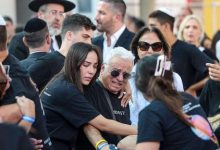
Hezbollah has a history of issuing slogans in response to such operations, although the actual responses tend not to escalate to the level of a catastrophe, as confirmed by several observers.
On Tuesday, Salah Al-Arouri, a senior Hamas official, was martyred in an Israeli strike targeting a Hamas facility in the southern suburbs of Beirut. The strike resulted in his assassination along with six other members of the movement.
What is the Lebanese government’s stance on the assassination of Al-Arouri?
The Israeli occupation forces bombed the Lebanese capital, Beirut, for the first time since 2006, targeting a Hamas office in the southern suburb. This raised questions about the steps the Lebanese government will take in response.
Media reports quoted Lebanese Caretaker Prime Minister Najib Mikati as saying that the explosion in the southern suburb of Beirut is an “Israeli crime aimed at bringing Lebanon into a new phase.” He requested the Ministry of Foreign Affairs to urgently file a complaint with the United Nations Security Council regarding the operation.
According to Reuters, questions were directed to the Israeli army regarding the incident, but they responded that they “do not comment on reports from foreign media,” according to Anadolu Agency.
📸أمين عام #حزب_الله #حسن_نصرالله قبل 4 أشهر .. فهل ستُفتح جبهة جنوب #لبنان على معركة أوسع بعد اغتيال الشيخ #صالح_العاروري في #الضاحية الجنوبية لـِ #بيروت؟! pic.twitter.com/kMa7AUUIyP
— وطن. يغرد خارج السرب (@watanserb_news) January 2, 2024