Inside Netanyahu’s Inner Circle: The Power Players Shaping Israeli Policy
From family influence to strategic advisors—meet the key figures steering Benjamin Netanyahu’s political and military decisions.
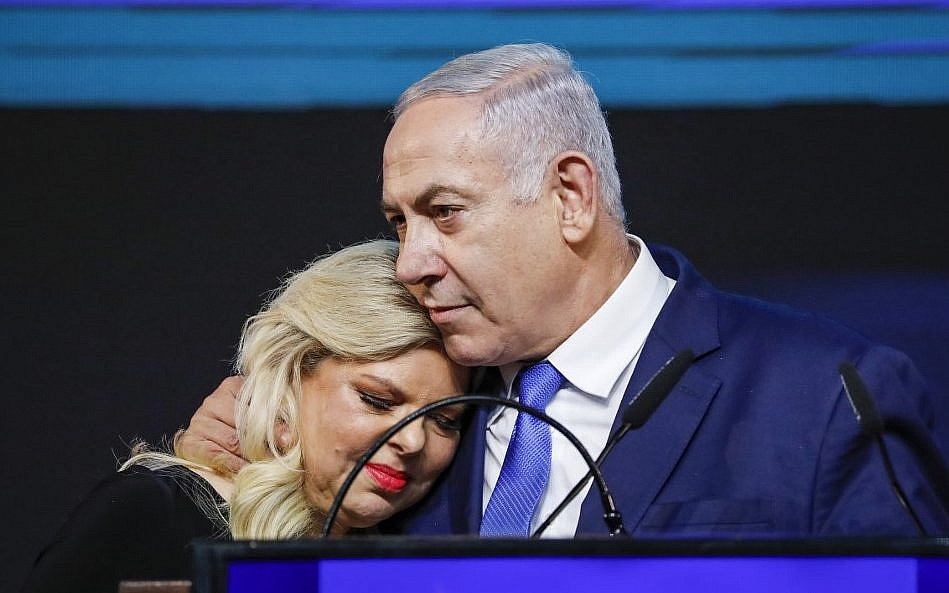
Watan-Benjamin Netanyahu, Israel’s PM, has long surrounded himself with a tight, influential circle of advisors, family members, religious figures, and political operatives. These individuals play major roles in shaping his political and security decisions.
Key Figures
Sara Netanyahu
Netanyahu’s third wife and one of the most dominant figures in his life. Once a cleaner and flight attendant, she now heavily influences state affairs. Israeli media claim she has a legal agreement guaranteeing her consultation in all decisions. She controls staff at the PM’s office, influences Likud internal politics, and opposed figures like Gideon Sa’ar and Benny Gantz. Involved in scandals: accepting luxury gifts, embezzlement, and extravagant public spending on their home.

Yair Netanyahu
Netanyahu’s eldest son. Active on social media, spreads conspiracy theories, accuses Israeli security leaders of betrayal, and claims the Oct 7 attack was an internal coup.
Accused of defamation, harassment, and corruption. Allegedly assaulted his father and was “exiled” to Miami in 2023, with Shin Bet still providing him protection.

Meir Ben-Shabbat
Ex-Shin Bet head, former NSC chief, key player in normalization deals (UAE, Bahrain, Morocco, Sudan). Handled sensitive diplomacy (e.g., with Egypt, Russia, Jordan) and awarded by the US DoD for enhancing US-Israel relations.
Isaac Molho
Netanyahu’s personal envoy in Palestinian negotiations. Managed indirect talks with Hamas, helped draft the Hebron Agreement, and is considered one of Netanyahu’s most trusted legal advisors.
Aryeh Deri
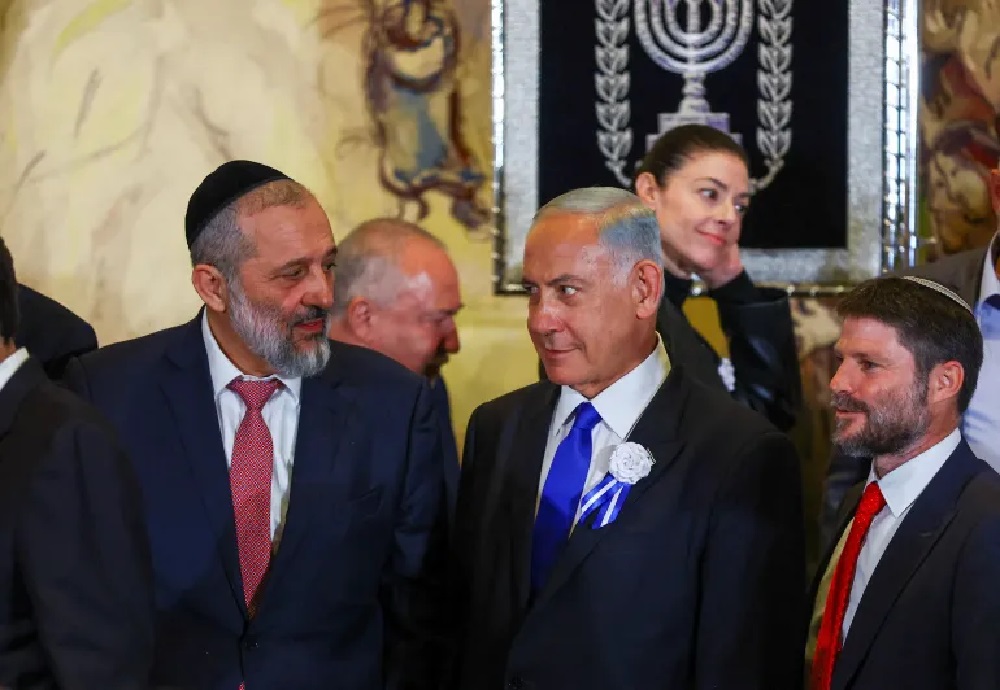
Leader of ultra-Orthodox Shas party. Twice convicted for corruption, yet remains a crucial Netanyahu ally. Was blocked from being minister due to legal issues but still wields influence. He extracts major budgets for religious institutions and backs Netanyahu’s war policies, especially against Gaza.
Ron Dermer
Strategic Affairs Minister and Netanyahu’s closest US envoy. Former Israeli ambassador to the US, architect of Trump-era Israeli policies (Jerusalem recognition, Golan annexation). Called Netanyahu’s “gateway” to Trump and plays a key role in hostage deal talks.
Tzachi Braverman
Chief of Netanyahu’s staff and Sara Netanyahu’s gatekeeper. Accused of manipulating war meeting records and leaking classified intel. Investigated for blackmailing an officer to alter Oct 7 protocols.
Yinon Magal
Right-wing journalist and ex-Knesset member. A central figure in Netanyahu’s propaganda machine (“poison machine”). Launched crowdfunding for Netanyahu’s legal defense. Advocates harsh anti-opposition stances and supports Gaza reoccupation.
Yonatan Urich
Strategic advisor and Likud spokesperson. Joined Netanyahu’s team at 26. Interrogated for witness intimidation in corruption cases. Key figure in Netanyahu’s online and election campaigns.
Topaz Luk
Chief advisor and media strategist. Former IDF spokesman. Manages Likud’s external relations and helped build Netanyahu’s social media empire. Considered Netanyahu’s closest aide in recent years.
Other Influential Figures
Bezalel Smotrich (Finance Minister)
Far-right leader pushing for West Bank aggression and Gaza resettlement. Uses political leverage to shape war decisions.
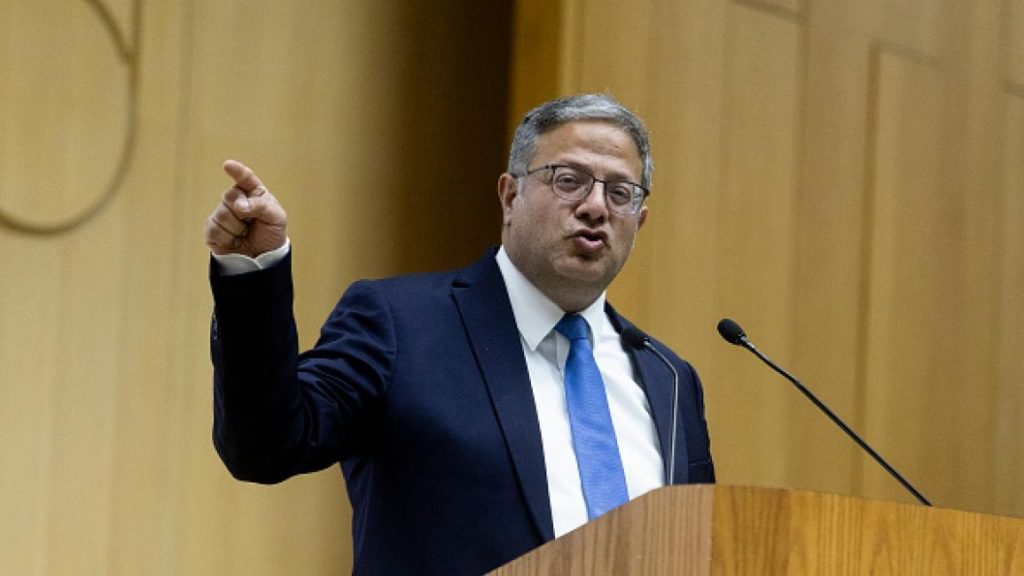
Itamar Ben Gvir (National Security Minister)
Radical advocate of Gaza war, opposes ceasefires, arms settlers, and supports executing attackers. Rejects peace frameworks and promotes aggressive expansionism.