Unveiling the UAE’s Controversial Humanitarian Aid to Gaza: A Closer Look at Political Motivations

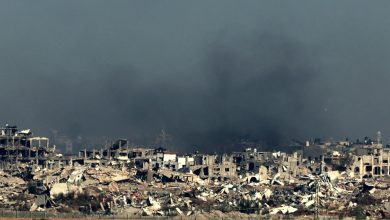
Watan-Reports circulating confirm that the aid sent by Abu Dhabi to the Palestinians in Gaza – of which only scraps reach the recipients – has been proven to be nothing more than “semi-official” media propaganda. This is met with smear campaigns and misinformation, blaming Palestinian resistance for the crisis and hunger rather than the Israeli occupation that besieges the region and wages a brutal war against its inhabitants.
The UAE finances the so-called “European Center for Counterterrorism and Intelligence Studies,” which incessantly echoes the notion that “hunger in Gaza poses a threat to peace as it contributes to the spread of terrorism.” This aligns with the extreme Israeli perspective.


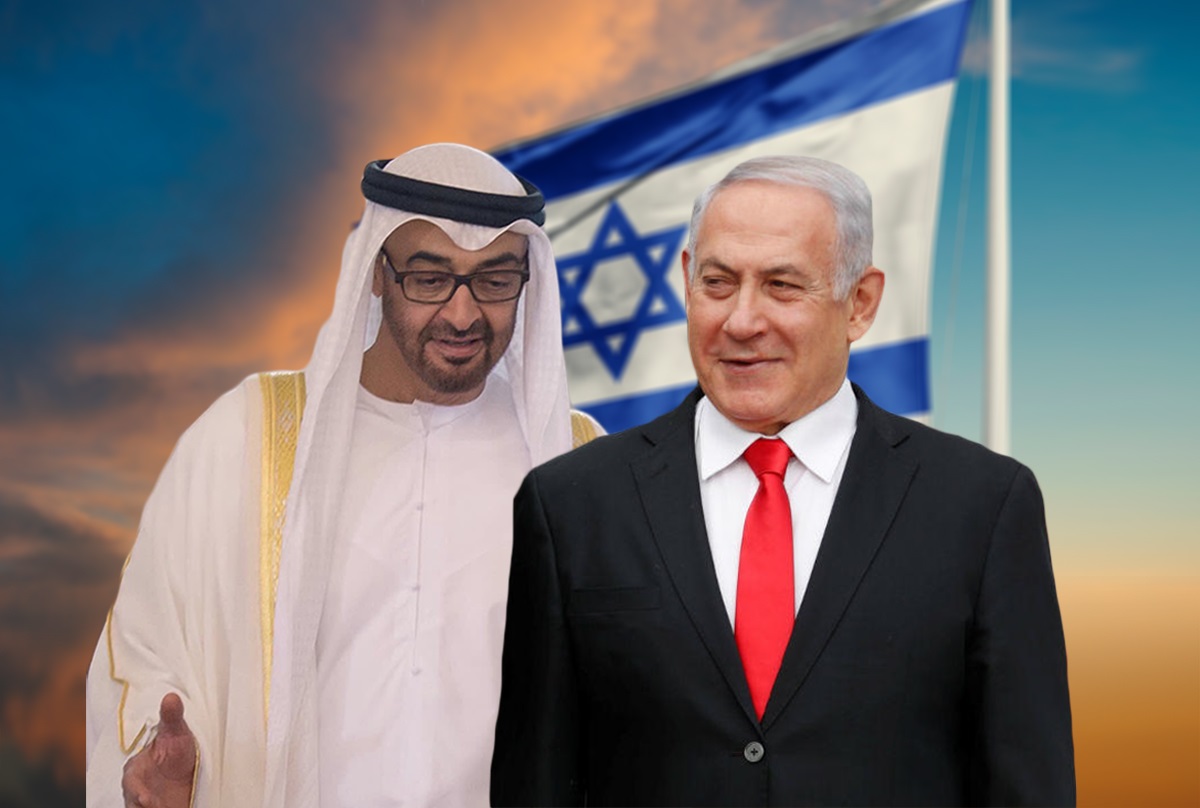
Despite the fact that sending humanitarian aid to the people of Gaza is the least that Arabs owe to their brethren and even to people worldwide, this did not signal a change in the political stance of the UAE, which remained committed to normalizing relations with the Israeli occupation.
The UAE has long collaborated with the Zionist entity, providing strong support, according to Arab observers, amid heinous war crimes committed by the occupation against Palestinian civilians in Gaza.
The UAE’s instrumentalization of aid to cover its “shameful stance” is evident
While European, African, and some Latin American countries severed ties with the Israeli occupation and supported Palestinians with every possible political voice, the UAE ignored normalization agreements and remained steadfast in them. When questioned, it justifies its actions by claiming to send humanitarian aid to Gaza.
According to statistics reported by the media, Abu Dhabi provided approximately 13,200 tons of relief aid to the Gaza Strip over 50 days, using a bridge of 123 planes and cargo ships, as well as 63 land transport trucks from Egypt, in addition to a field hospital.
According to a report from “Emirates 71,” the most apparent goal of this aid is to improve the UAE’s reputation in light of its normalization with the Zionist entity.
However, it is noticeable that media outlets and Abu Dhabi-funded think tanks clearly state that the goal of providing food, water, and medicine to Palestinians is to “prevent extremist groups from exploiting these conditions for their goals,” as they claim.
Abu Dhabi considers resistance movements like Hamas and Islamic Jihad as “terrorist organizations” and urges countries worldwide to add them to terrorism lists. Furthermore, it went beyond that by rejecting an “Israeli” offer to take responsibility for delivering financial aid to Gaza instead of Qatar.
The UAE claimed that a portion of this aid reaches the Hamas movement, a claim that Abu Dhabi emphasizes even more than the Israelis, as reported by “Emirates 71.”
The Emirati government has ignored demands to end normalization. Abu Dhabi has either ignored or resisted all demands from Emirati citizens, Gulf nationals, Arabs, and even the Islamic world to sever ties with Israel and terminate the normalization agreement signed with the occupation in September 2020, known then as the “Abraham Accords.”
Contrary to these demands, Abu Dhabi continued political normalization during the Israeli war, including a visit by the head of the Zionist entity to the country. This move sparked anger among citizens, Gulf nationals, and Arabs.
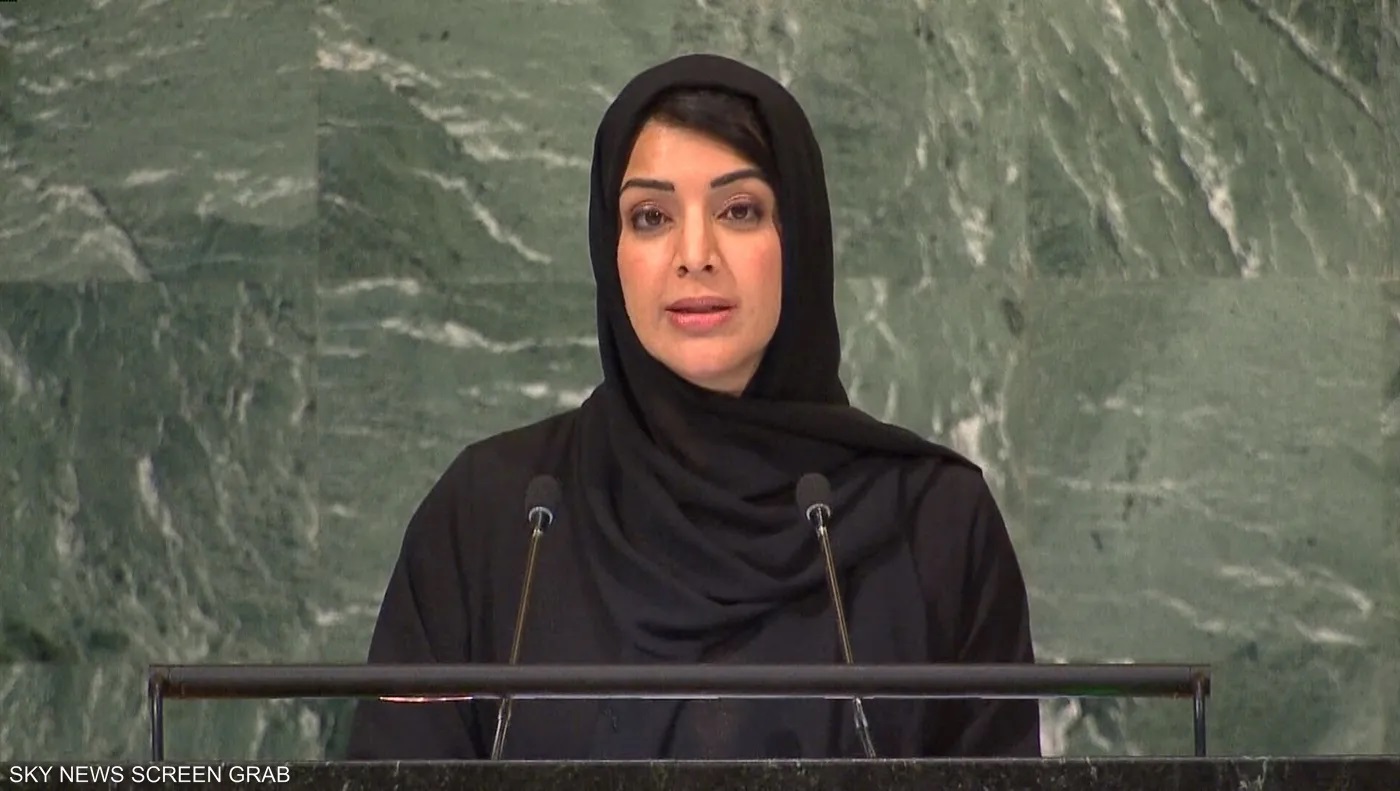
We all recall the statements made by the UAE Minister of State for International Cooperation, Reem Al Hashimy, in a previous address to the United Nations Security Council regarding the situation in Gaza.
During that time, Al Hashimy stated, “We reiterate that the attacks carried out by Hamas on the 7th of October are barbaric and heinous attacks. We call on them for the immediate and unconditional release of the hostages, to stop the bloodshed, and to spare all civilians further woes.”
According to a survey conducted by the Arab World for Research and Development (AWRAD), 96% of the participants, including 668 individuals surveyed in November, classified the UAE’s stance on the events in Gaza as either negative or very negative.
While 88.8% of Palestinians view the role of the UAE as very negative, 7.2% consider it somewhat negative, and 2.4% somewhat positive. In Gaza, 97% perceive the role of the UAE as negative or very negative, while in the West Bank, the figure is 95.4%.
Furthermore, 98% of survey participants feel proud as Palestinians in light of Hamas’s attack on that day. It is evident that this sentiment contradicts the narrative official media attempts to convey to citizens, portraying the attacks as unacceptable even within the Palestinian territories.