Egyptian-Israeli Economic Agreements Amidst Gaza Conflict: Balancing Trade and Security Concerns
Watan-A report by “Al-Araby Al-Jadeed” newspaper reveals that hundreds of Egyptian government-owned companies are enhancing trade with their counterparts in Israel, despite the ongoing war waged by the occupation army on the Gaza Strip.
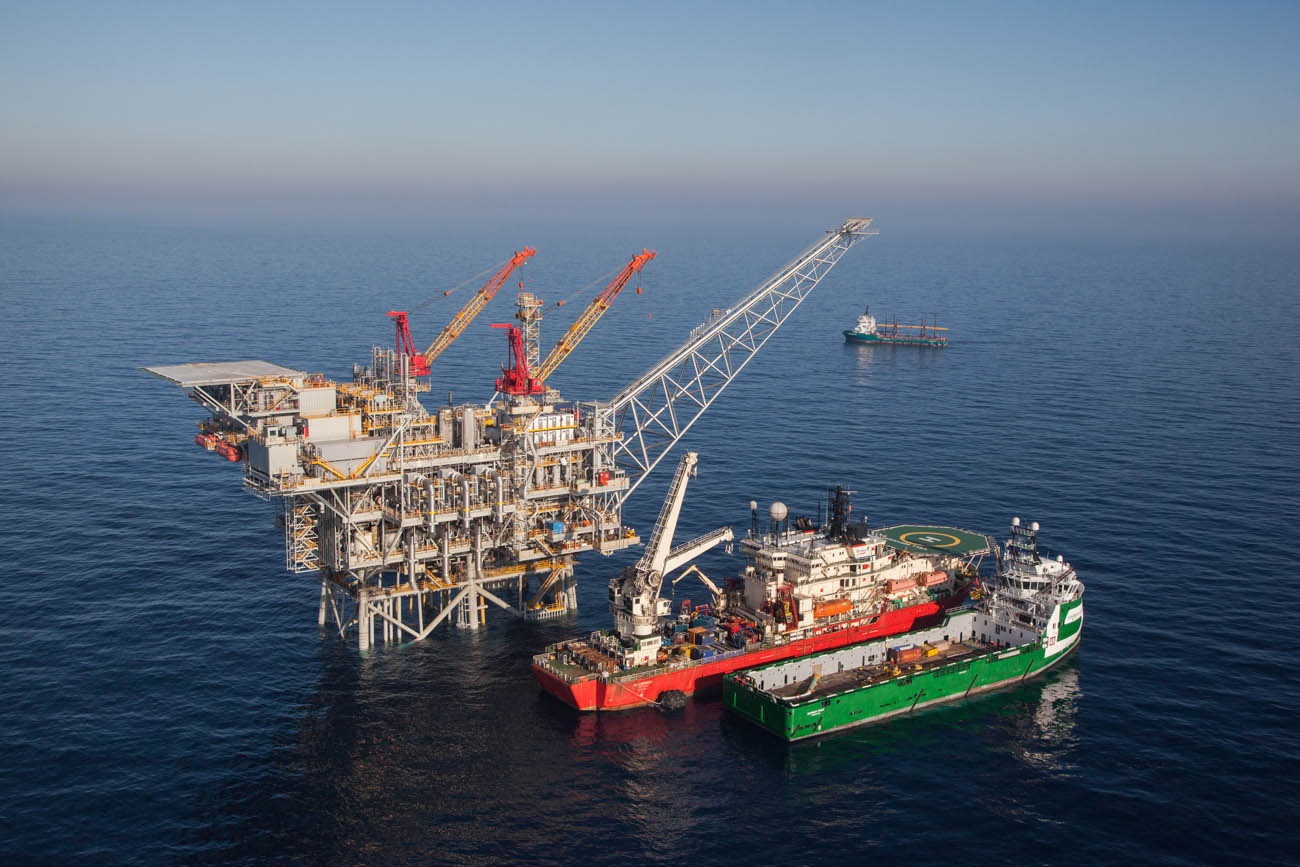
For the fifth consecutive month, the Egyptian importer of Israeli gas, “Blue Ocean Energy,” along with its Israeli counterpart, “Energean,” based in Tel Aviv, have reached an agreement to supply an additional 4 billion cubic meters of natural gas to Egypt over 11 years.
The agreement doubles the exported gas quantities, equivalent to what Israel used to export to Egypt before the Israeli war on Gaza on October 7, 2023, according to “Al-Araby Al-Jadeed.”
Economic Agreement
Egyptian authorities are proceeding with an economic agreement previously signed with the Israeli side in mid-2023, aiming to double Israeli gas exports to Egypt starting from July 2025.
This contradicts the views of national security experts and economists who warn against Egypt falling into the “Israeli gas trap,” as they are cautious not to link gas supplies to the needs of power plants, fertilizer factories, petrochemicals, and cement industries.
Concerns and Warnings
There are significant concerns about deepening economic projects with Israel, deepening its presence in the Egyptian market, and potentially using it for political leverage when needed.
This was evident in Israel’s actions following the aggression on Gaza when it completely halted gas pumping through pipelines to the Egyptian gas network for 5 days, leading to a doubled period of power outages nationwide, then gradually restored it, according to officials’ responses to the Gaza aggression.
The Egyptian government continued importing gas to export 80% of it in liquid form to Europe. Hundreds of Egyptian companies in the textile, garment, ready-made clothes, food, and agricultural industries are engaged in trade and goods exchange with their Israeli counterparts under the Qualified Industrial Zones (QIZ) agreement.
Israeli Tamar Field
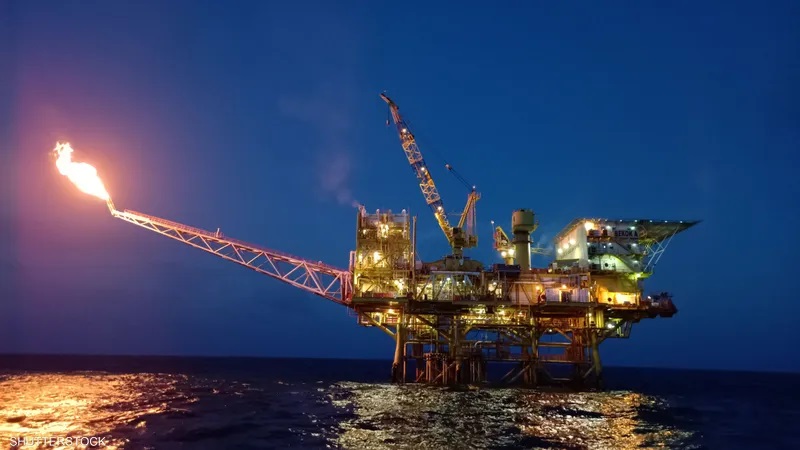
The Israeli Tamar Field production decreased due to the war on Gaza The United States imposed the agreement on Jordan, Turkey, and Egypt three decades ago as part of its desire to integrate the economies of the region’s countries with Israel and reshape the political landscape of the Middle East, as developed by the Abraham Accords, which included the UAE, Bahrain, and Morocco.
The agreement provides Egyptian companies with agricultural products, fertilizers, and cement while prohibiting Egyptian products from entering American markets, without Israeli industries contributing about 10.5% of its components.
Increase in Gas Supplies
Israel recently announced that gas supplies to Egypt and Jordan increased by about 25% in 2023 despite short interruptions at the start of the war on Gaza, indicating the potential for further exports expansion.
Israeli Energy Minister Eli Cohen said in a statement, “The significant growth in natural gas exports to Egypt and Jordan proves that the natural gas market is strategically important for Israel and contributes to stability in the region.”
He added that Israel is considering expanding exports to supply Europe either through Egyptian gas liquefaction plants or by building local facilities.
The Energy Ministry stated that the Leviathan offshore field, operated by Chevron with two Israeli partners, produced 6.29 billion cubic meters for Egypt and 2.71 billion for Jordan.
Additionally, the nearby Tamar field exported a total of 2.56 billion cubic meters, with most going to Egypt.
“Tamar” is close to the Gaza Strip and experienced an 11% decrease in production due to its operations being halted for a month at the beginning of the war.