Trump’s Strategic Proposal: U.S. Troop Withdrawal from Syria Linked to Turkey-Israel Normalization
Potential Shift in Middle East Alliances as U.S. Seeks to Mend Regional Relations
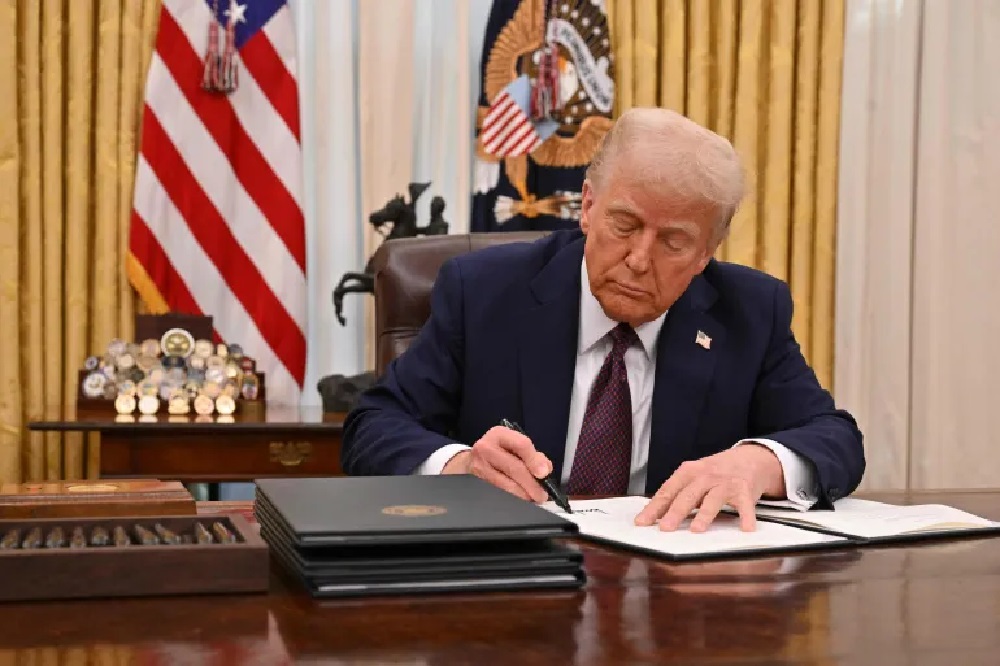
Watan-In a surprising political development, media reports have revealed a tempting offer made by U.S. President Donald Trump to his Turkish counterpart, Recep Tayyip Erdoğan. The proposal involves the withdrawal of American forces from Syria in exchange for Turkey resuming good relations with Israel.
The deal, reported by Israel’s “Maariv” newspaper citing diplomatic sources, could mark a turning point in the regional landscape, especially amid escalating tensions between Turkey and Israel since the Gaza War.


According to the sources, Trump offered Erdoğan the withdrawal of approximately 2,000 U.S. soldiers from Syria, a longstanding demand by Ankara to bolster its influence in northern Syria, where it seeks to establish an independent zone of control.
However, the condition Trump sets is challenging: he requires Turkey to restore its diplomatic and trade relations with Israel, which have witnessed unprecedented escalation since October 7, when the occupation launched its aggression on the Gaza Strip.
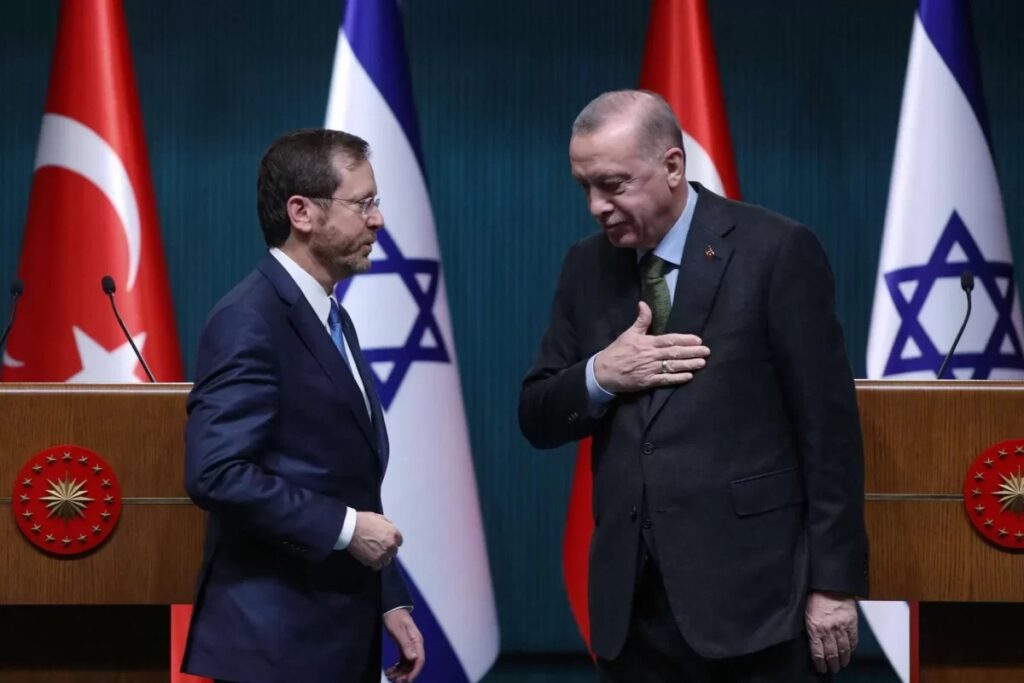
The Turkish president, known for his sharp stances against Israel, has gone as far as threatening to cut trade ties and halt all forms of economic cooperation, even hinting at military action if the occupation continues its massacres against Palestinians.
Nevertheless, Ankara faces increasing internal and external pressures, being accused of managing secret relations with Tel Aviv despite public hostile statements. This may prompt Erdoğan to reconsider his position if it grants him the opportunity to expand in Syria without American constraints.
On the other hand, this offer comes at a sensitive time, as Washington seeks to strengthen its regional influence and limit Iranian expansion in Syria, while Israel attempts to mend its relations with regional powers after its international image was damaged due to the Gaza War.
The key question remains: Will Erdoğan accept this deal, overriding his previous positions, or will he continue to escalate against Israel despite American temptations?