Watan-The United Nations stated that “one million children in the Gaza Strip require psychological and social support due to depression, anxiety, and suicidal thoughts” caused by the genocide committed by Israel against Palestinians over nearly 16 months.
This was stated by UN Under-Secretary-General for Humanitarian Affairs, Tom Fletcher, during a United Nations Security Council session held on Thursday to discuss the situation of children in Gaza, at Russia’s request.
Speaking about the genocide committed by Israel in Gaza, Fletcher said: “Over 15 months in Gaza, children were killed, left to starve, and died from the cold.”
He added: “According to estimates, more than 17,000 children in Gaza live separated from their families.”
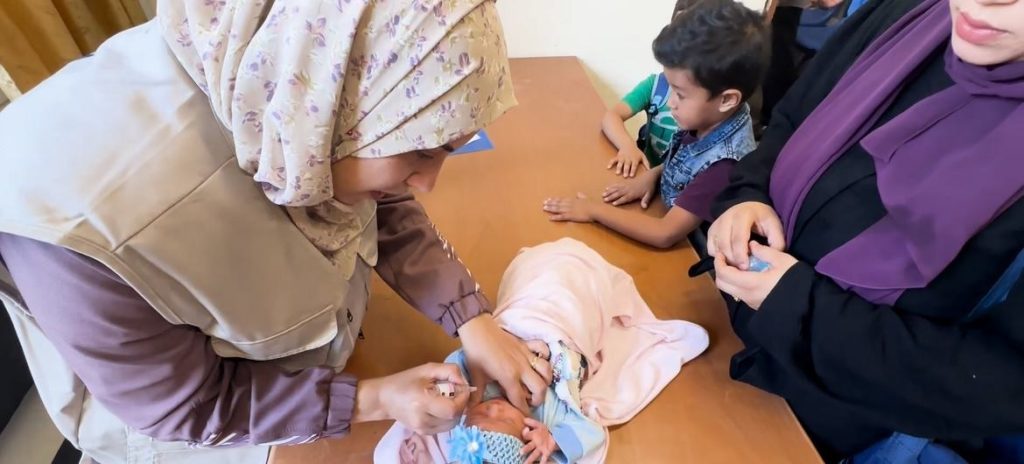
Polio vaccination Gaza
He also noted that approximately 150,000 pregnant women and new mothers are in urgent need of health services, with some newborns dying along with their mothers during childbirth before taking their first breaths.
Fletcher explained that children in Gaza are losing their schools and education, and those suffering from chronic illnesses are struggling to access the care they need.
He continued: “According to UNICEF, one million children require psychological and social support due to depression, anxiety, and suicidal thoughts. An entire generation has been traumatized.”
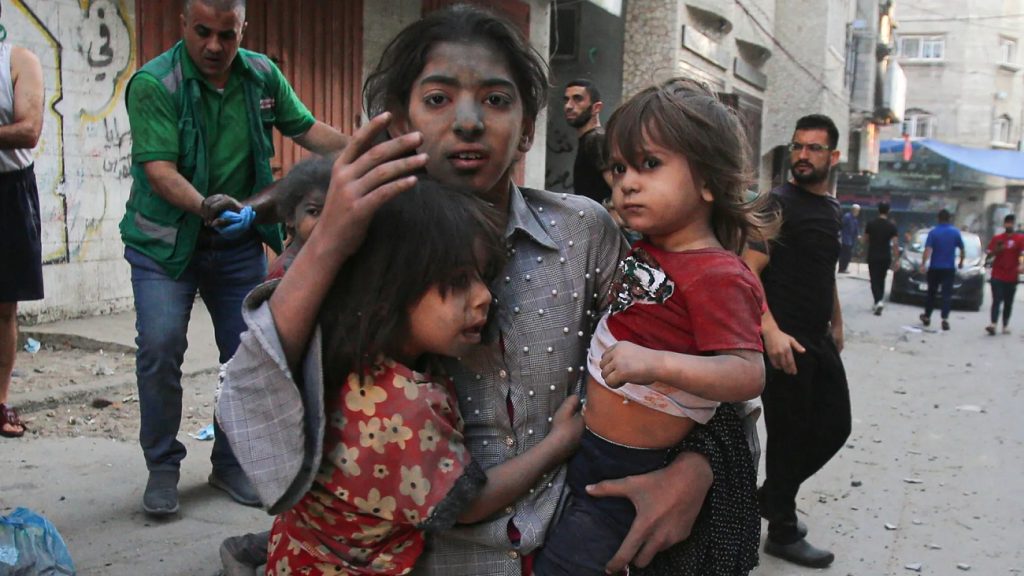
Gaza Children
Fletcher further stated: “Following the ceasefire in Gaza, the United Nations has significantly improved its activities, with humanitarian aid now being safely and unhinderedly accessible.”