“A Daughter Named Janna”: Gaza Couple Adopts Orphaned Baby After 23 Years of Waiting
In the heart of war-torn Gaza, a child orphaned by Israeli bombardment becomes a beacon of hope and healing for a couple denied children for over two decades.
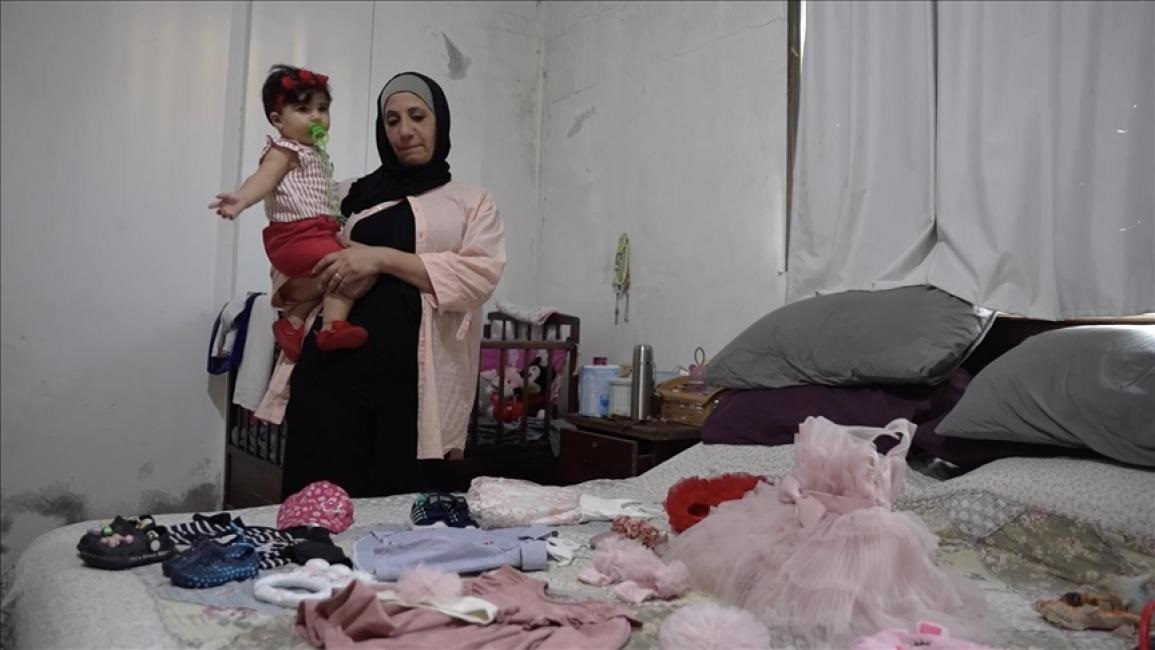
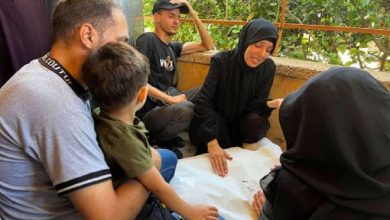
Watan-In a modest home in Gaza City, Palestinian Rami Arouqi and his wife Iman sit cradling baby “Janna”, whom they adopted after she lost her entire family in the Israeli genocide. Her little laugh dissolves the pain of a wait that lasted more than two decades. Arouqi repeats the word “Baba” (“Daddy”) to himself and to her, as if training his heart for the role he has always dreamed of.
Beaming despite years of exhaustion, he says: “Janna has truly made us forget all the pain of war, death, hunger, and thirst. After 23 years of waiting, God has given us this blessing.” Speaking to Anadolu Agency, Arouqi shares how the thought of adoption lingered with him and his wife during the past 23 childless years, though they never acted on it seriously.


“It crossed our minds occasionally,” he says, “but after witnessing the genocide, seeing entire families wiped out with only one survivor left, the idea grew stronger. Especially when we saw the suffering of innocent children in this war.” He added, “I followed news of children who survived alone after their entire families were killed—sometimes babies brought to hospitals with no one left.”
“Each time I heard of such a case, I would ask about the child, even just to hold them temporarily until family showed up. But understandably, relatives would cling tightly to the remaining children,” he continues, his voice reflecting a mix of compassion and patriotic duty. “This wasn’t just a humanitarian act; it was a national one. Many contacted me after our adoption experience, telling me they shared the same wish.”
Devastating Numbers
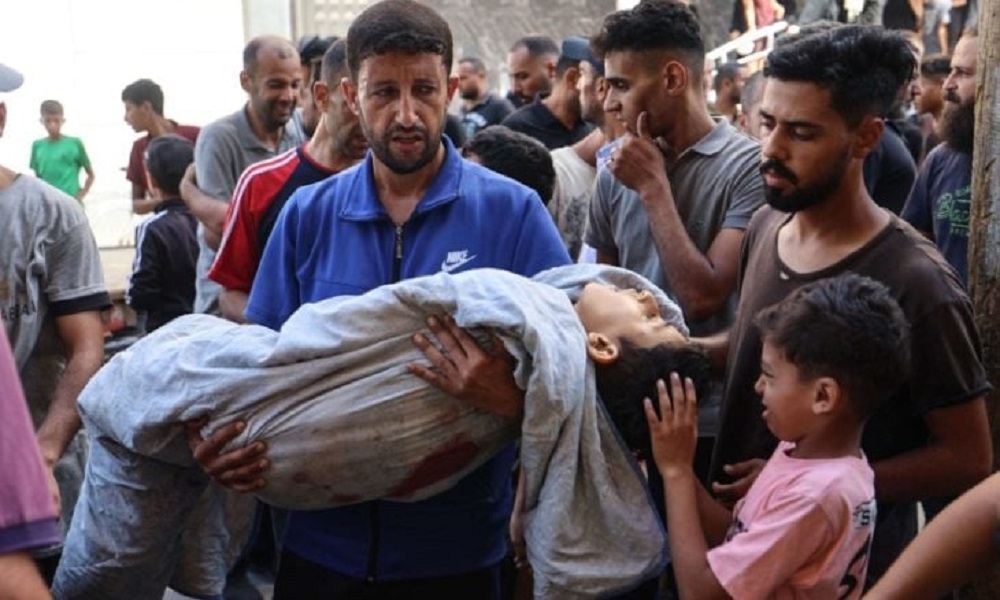
According to the Palestinian Central Bureau of Statistics, over 39,000 children in Gaza lost one or both parents during the genocide, with nearly 17,000 losing both. These children face life without support in devastating conditions. In the face of this tragedy, community solidarity has emerged as a form of resilience, as hundreds of Palestinian families in Gaza have opened their homes to orphans—rebuilding the social fabric amid destruction.
Arouqi recounts the moment that changed their lives: “The idea circulated among friends until one day we received a call from a doctor we know. She said a baby girl had arrived at the hospital with no known relatives. That may sound strange, but under our current conditions, it’s become sadly common.”
Smiling with gratitude, he says, “After the call, we didn’t think long. We didn’t care about gender, age, or appearance. We just wanted to be a support and give the child parental love—even more than one child, if needed.” Describing their first encounter, he adds: “She was only about five days old. That’s when everything changed.”
To finalize the guardianship in accordance with Islamic law, the Ministry of Social Development required the baby to be breastfed by a relative. “My cousin was the first to nurse her,” he explains. “So she gained siblings through nursing, and her first milk-brother was Nahid Azzayzeh.”
On May 24, Palestinian Minister of Social Development Samah Hammad told Anadolu Agency that adoption typically gives priority to extended family members, “but for some children, no relatives were found at all due to the genocide that wiped out entire families.” She described the suffering in Gaza as “beyond words.”
Rami smiles as he recalls their first drive with Janna: “It was an indescribably joyful day. It was the first time we felt like a real family.” In their humble home, he embraces her, repeating the word “Baba”—still in awe of the moment.
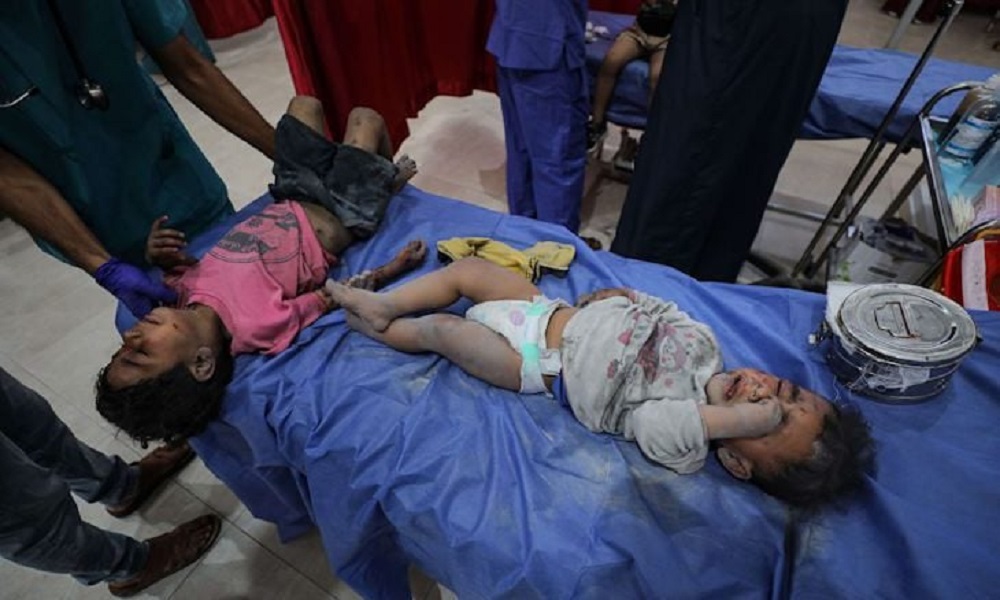
On March 16, UNICEF warned that children in Palestine live under extremely distressing conditions, drowning in fear, anxiety, and trauma from lack of safety and support. On January 24, UN humanitarian chief Tom Fletcher told the Security Council that one million children in Gaza need psychological and social support due to depression, anxiety, and suicidal thoughts. “They have been killed, starved, and died of cold,” he said.
With unwavering U.S. support, Israel has continued its genocidal assault on Gaza since October 7, 2023, leaving more than 197,000 Palestinians dead or wounded, the majority of them women and children. Over 11,000 remain missing, and hundreds of thousands displaced. Gaza’s children now await a miracle—for safety, warmth, and a childhood that has been stolen.