Israel Shows Flexibility in Gaza Ceasefire Talks—but Netanyahu Plans to Resume War After Deal
While negotiations in Doha make progress toward a ceasefire and prisoner swap, Israeli officials confirm any withdrawal from Gaza will be temporary, as Netanyahu eyes renewed military operations.
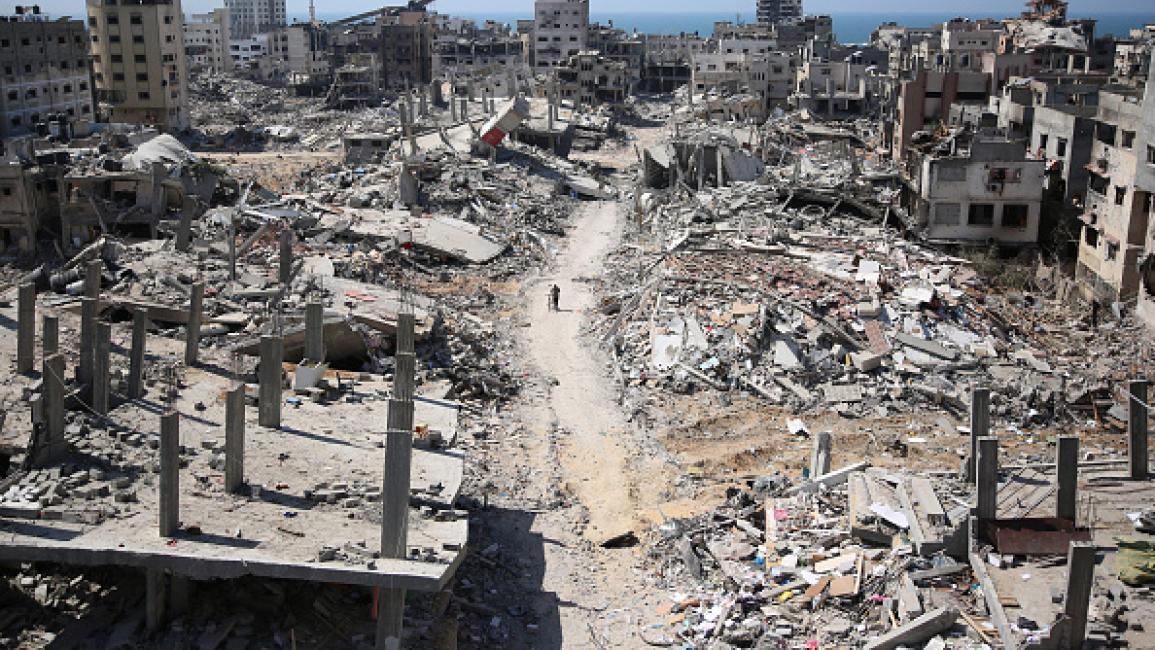
Watan-On Tuesday evening, Israeli Channel 13 reported that notable progress had been made in Doha-hosted negotiations toward reaching a prisoner exchange and ceasefire deal in Gaza. According to sources familiar with the talks, Israel has shown new flexibility, and Prime Minister Benjamin Netanyahu is deeply interested in reaching a deal—but only as a temporary step before resuming the war.
The report noted that Israel’s Security Cabinet has agreed to greater flexibility regarding the withdrawal of the Israeli army from Gaza and is moving closer to Hamas’s position on the issue of military presence, which has helped facilitate the recent progress.


However, unnamed Israeli officials clarified that any withdrawal would only last for 60 days, after which Israel intends to resume combat operations. One official said:“The flexibility we’ve shown paves the way for an agreement, but Netanyahu clearly doesn’t intend to end the war.”
Separately, Israel’s Ynet news website confirmed that the Israeli Security Cabinet met Tuesday to discuss the ongoing negotiations and revealed that talks in Doha have advanced on the most contentious issue: the military withdrawal maps from Gaza.
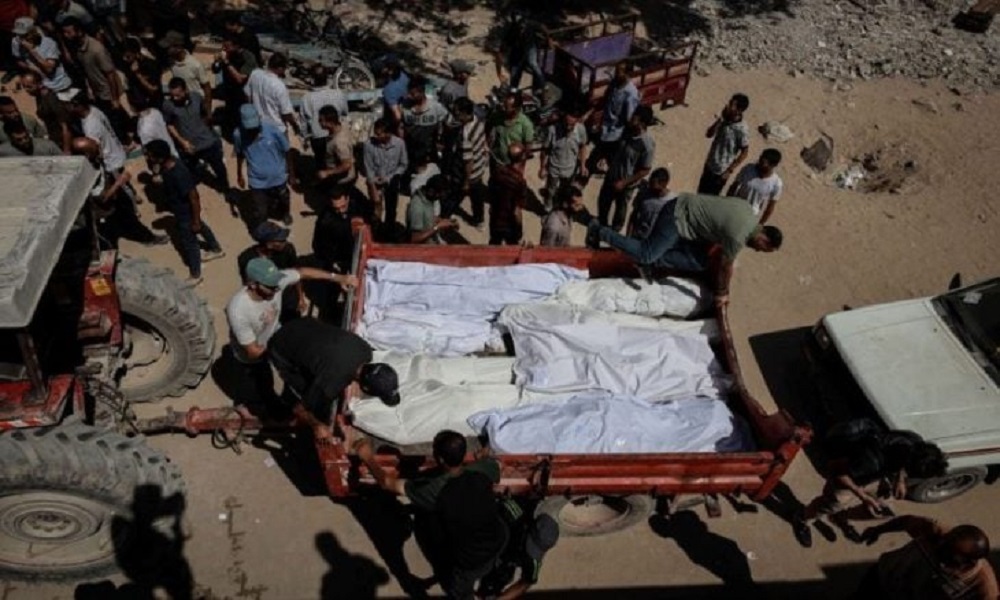
Israel reportedly submitted new withdrawal maps to the mediators, but final agreements have yet to be reached. Negotiations are expected to continue for several more days.
Officials familiar with the talks told Ynet:“There is significant progress, but no breakthrough yet. Netanyahu has given his negotiation team broader authority to make decisions during the talks in order to reach a deal.”
Earlier this week, Channel 13 cited a senior Israeli minister who expressed optimism:“Netanyahu is leaning toward a deal in the coming days.”
In an attempt to bridge differences, Israel submitted new maps outlining a phased withdrawal of its forces from Gaza as part of a 60-day ceasefire plan. According to the report, the gap between Israel and Hamas over territorial and security arrangements is narrowing due to intense negotiations.
Military Developments That May Complicate Talks
Despite the diplomatic progress, the Israeli military announced Wednesday the creation of a new military axis in southern Gaza that effectively splits Khan Younis into east and west. This move could jeopardize the emerging deal, analysts say.
The Israeli army’s statement claimed that:“In recent weeks, the 36th Division has operated in the Khan Younis area to destroy terrorist infrastructure and eliminate operatives. The 188th and Golani Brigades have completed the opening of the ‘Magen Oz’ corridor, which stretches about 15 km and is central to pressuring Hamas.”
According to the army, this new corridor aims to solidify Israeli control and defeat Hamas’s Khan Younis Brigade. The operation reportedly involved killing dozens of fighters and destroying weapons caches and underground tunnels.
“This axis is part of broader efforts by the Southern Command to maintain pressure on Hamas and secure Israeli civilians, particularly around Gaza,” the statement said.
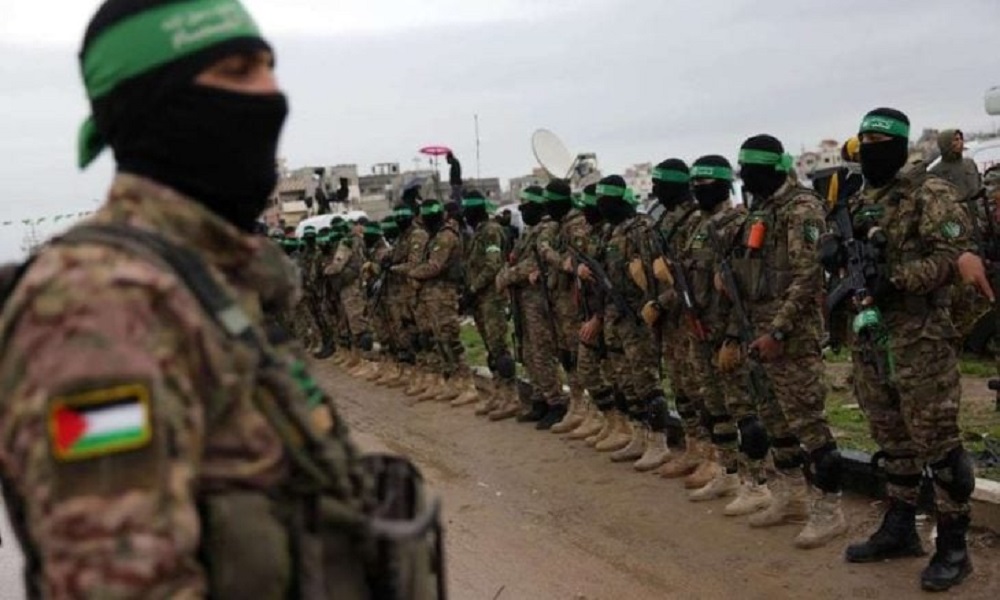
-
Netanyahu’s dual approach—seeking a short-term deal to gain hostages, while planning to resume the war—reflects a strategic attempt to balance domestic and international pressure without abandoning military objectives.
-
The 60-day ceasefire window may serve political purposes, such as regaining U.S. support and deflecting international scrutiny, especially amid calls for accountability for war crimes in Gaza.
-
However, creating new military corridors and reinforcing control over Khan Younis suggests Israel is cementing long-term military infrastructure, not preparing for a permanent withdrawal.
-
Hamas’s response to this maneuver remains to be seen. If they view the corridor as a breach of negotiation goodwill, talks may stall or collapse entirely.