Over Half of Spaniards See Morocco as Top National Security Threat, Study Reveals
Despite diplomatic warmth, a new strategic survey shows deep-rooted Spanish fears and negative perceptions of Morocco surpassing those of Russia, China, and the U.S.
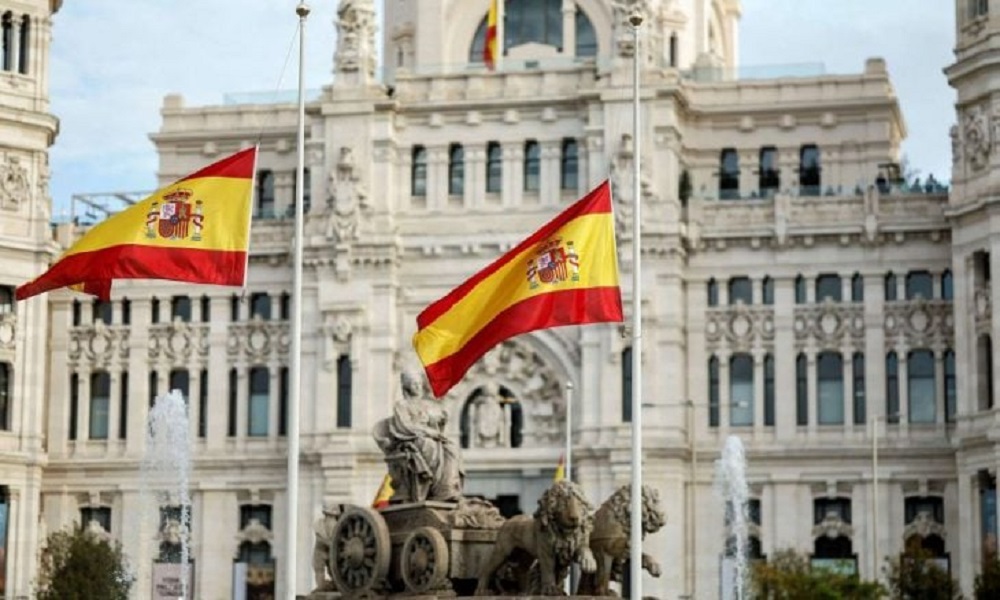
Watan-A recent public opinion study conducted by the Elcano Royal Institute, Spain’s leading strategic think tank, has revealed that 55% of Spaniards view Morocco as the main threat to their country’s stability. This result places Morocco at the top of perceived threats—even above active global conflicts such as the Russia-Ukraine war and the emerging cold war dynamics with China.
The study, focused on Spain’s outlook on European defense, NATO, and perceived external threats, was presented this past Monday. According to the results:

-
55% of Spaniards consider Morocco the most serious threat to their national security.
-
33% see Russia as a major threat.
-
19% named the United States.
-
8% pointed to Israel (particularly after the Gaza war).
-
6% mentioned China.
Though surprising at first glance, these results align with longstanding stereotypes embedded in the Spanish collective imagination. Morocco’s position at the top has remained consistent in recent years, despite the shifting global landscape. For example, concern over Russia is currently heightened due to its invasion of Ukraine, naval activity near Spanish waters, and recent military exercises involving TU-160 bombers. Still, these concerns trail those tied to Morocco.
Persistent View of Morocco as a Threat
Even though Spanish and Moroccan officials—particularly Foreign Ministers Nasser Bourita and José Manuel Albares—have claimed that bilateral relations are at their best, this hasn’t translated into improved public perception. Instead, Morocco continues to be seen as a primary source of danger due to deeply rooted historical, military, political, and social factors:
1. Historical Hostility
The idea of Morocco as a threat is transgenerational, going back to events such as the expulsion of the Moriscos, colonial wars, and territorial disputes. The geographical proximity of the two countries—across a narrow maritime boundary—amplifies this historical rivalry and fuels a symbolic continuation of religious and military conflicts, reminiscent of the Crusades.
2. Military Suspicion
Spanish media extensively covers Morocco’s arms deals, portraying them as aggressive. This has led to increased concern, particularly as former Spanish military officials have warned of possible future conflict. Last year, former Chief of Defense Fernando Alejandre labeled Morocco as a direct threat, accusing Rabat of engaging in hybrid warfare. Admiral Teodoro López Calderón echoed these warnings, describing Moroccan activity in “grey zones” that challenge the status quo without open confrontation.
3. Political Polarization
Morocco remains a divisive issue in Spanish politics. The 2022 decision by Prime Minister Pedro Sánchez to support Morocco’s autonomy plan for Western Sahara sparked ongoing political controversy. Right-wing and even some left-wing factions accused him of capitulating to Moroccan pressure.
4. Social and Media Influence
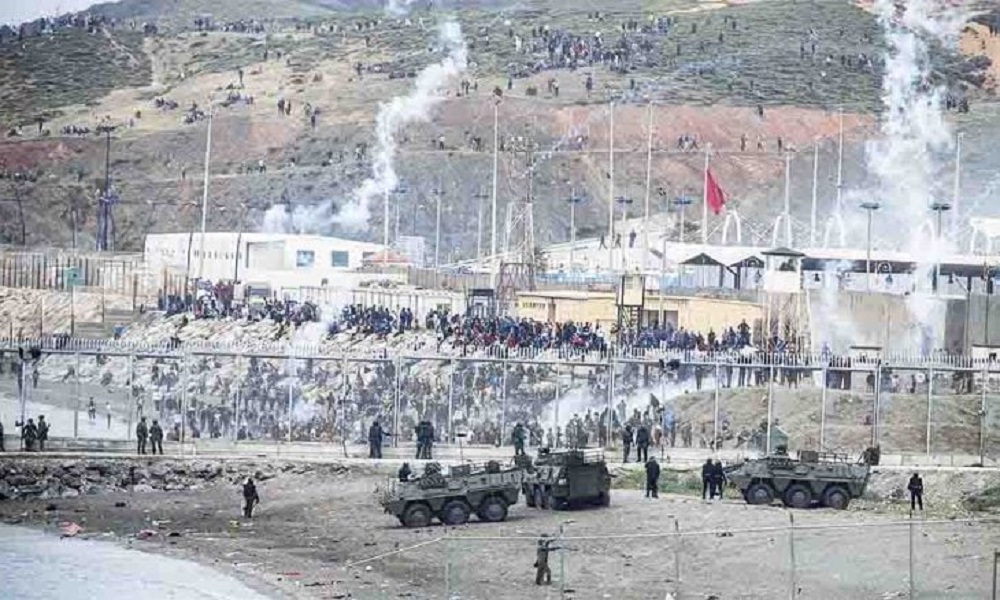
Morocco frequently appears in Spanish media in connection with sensitive issues like drug trafficking and irregular migration, especially through small boats reaching Spanish shores. The far-right VOX party exploits this narrative, promoting theories such as the “Great Replacement” and framing young Moroccan migrants as a “militia” designed to alter Spain’s demographics. Migration ranks as the number one concern for Spaniards, often wrongly linked almost exclusively to Morocco.
5. Regional Disparities in Perception
Interestingly, the fear of Morocco is significantly lower in regions with strong local identities like Catalonia, the Basque Country, and Galicia. Without the nationalist leanings of Spain’s central provinces, the overall fear percentage would likely be higher than 75%.
Despite the official discourse of friendship and cooperation between Madrid and Rabat, the Spanish public continues to view Morocco with deep suspicion. Historical memory, geopolitical tensions, and media framing continue to override diplomatic gestures, reinforcing Morocco’s image as Spain’s top perceived threat.