
Gaza Ceasefire Stalled Despite Trump-Netanyahu Meetings, Says Le Figaro
Despite U.S. pressure and growing devastation, a 60-day ceasefire deal remains elusive as Israel and Hamas maintain conflicting demands, and internal politics complicate Netanyahu’s decisions.
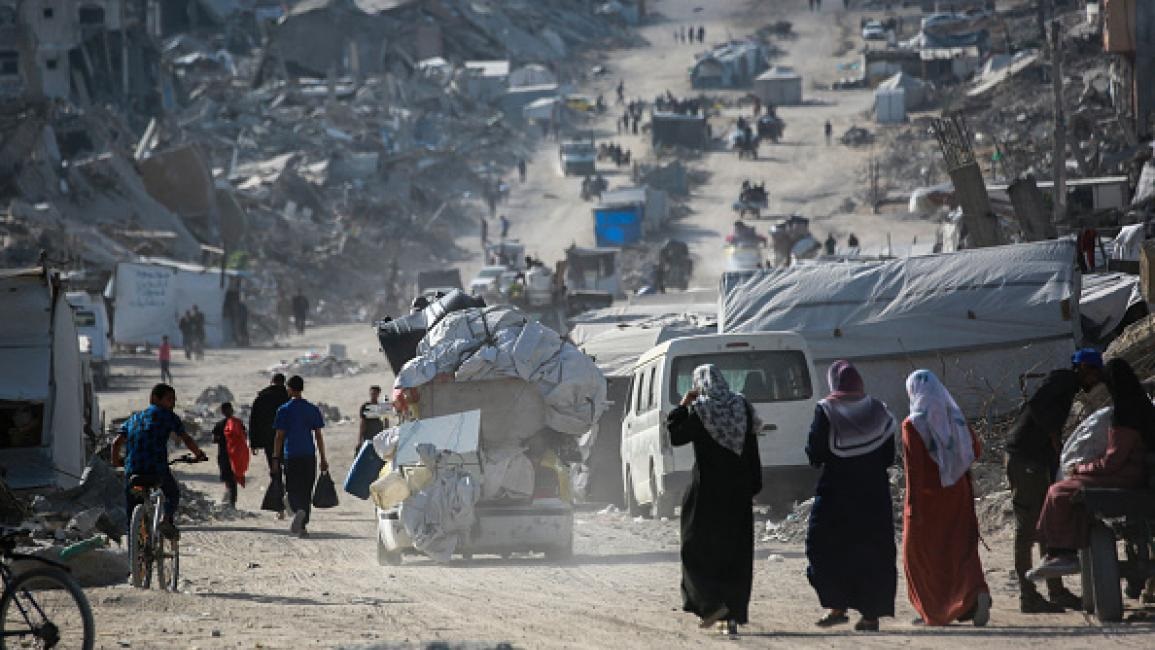
Watan-A ceasefire in Gaza remains suspended despite two meetings between U.S. President Donald Trump and Israeli Prime Minister Benjamin Netanyahu in Washington, according to Le Figaro. The French newspaper reports that although Trump and negotiators have pressured both Israel and Hamas, the proposed 60-day truce has yet to be finalized.
“Come on, you can do it” — with this phrase, Trump urged a hesitant Netanyahu to seal the deal. A cartoon published in Yedioth Ahronoth reflected the American president’s growing frustration. Contrary to earlier suggestions, no formal agreement has been reached on a ceasefire or the initial release of 18 out of the 50 hostages held by Hamas, Le Figaro notes.


Trump has personally invested in the effort, hosting Netanyahu twice at the White House and pressing Hamas to show flexibility during negotiations in Qatar. “I think we will reach an agreement this week or next,” Trump said, while admitting, “nothing is definitive regarding the war in Gaza.”
Netanyahu, cautious not to provoke Trump, emphasized their shared stance: “The president doesn’t want a deal at any cost, and neither do I.” According to Israeli media, Netanyahu insisted Trump exerted no pressure on him.
Some “encouraging” signs, from Netanyahu’s perspective, include ongoing battles and massive destruction in Gaza — where one Israeli soldier was killed and 13 Palestinians, including women and children, died in a few hours — and the recent U.S. delivery of dozens of Caterpillar C-9 bulldozers.

These bulldozers, which are to be weaponized, are used to demolish homes allegedly sheltering Hamas fighters. Le Figaro reminds readers that the Biden administration had previously frozen such shipments due to concerns over excessive force against Palestinian civilians.
Since the war began on October 7, 2023, following the Hamas-led massacres in southern Israel, the Israeli Defense Ministry states that 100,000 tons of U.S. weapons and equipment have been delivered by air and sea. In late June, the U.S. also provided Israel with $500 million worth of bombs.
The key question, according to Le Figaro, is whether this unconditional U.S. support will persist if ceasefire talks collapse. One major sticking point is Israel’s insistence on maintaining a corridor in southern Gaza where a “humanitarian city” would be created and enclosed by the Israeli army. Around 600,000 Palestinians would be relocated there after extensive searches and security vetting in the ruins of Rafah near the Egyptian border.
Once inside, these displaced Palestinians would not be allowed to leave. The goal is to reduce northern Gaza’s population to a minimum to prevent infiltration into southern Israel and to hunt down remaining Hamas militants.
Hamas, for its part, wants UN and international NGOs — not the U.S.- and Israel-funded “Gaza Humanitarian Organization” — to manage aid distribution, fearing the latter could be used to undermine its remaining influence among Gaza’s 2.3 million residents.
Hamas is also demanding a guarantee from Trump that Israeli attacks will not resume after the 60-day truce, and that serious post-war negotiations will begin immediately. Netanyahu flatly rejects this, insisting that the complete destruction of Hamas remains his top priority, Le Figaro explains.
Nevertheless, Israeli media reported Thursday on a possible “gesture”: Israel may allow Qatar and other states to begin raising funds to rebuild Gaza once a ceasefire begins — a key Hamas condition. Netanyahu also said Thursday night that he’s open to discussing a permanent ceasefire during the 60-day pause.
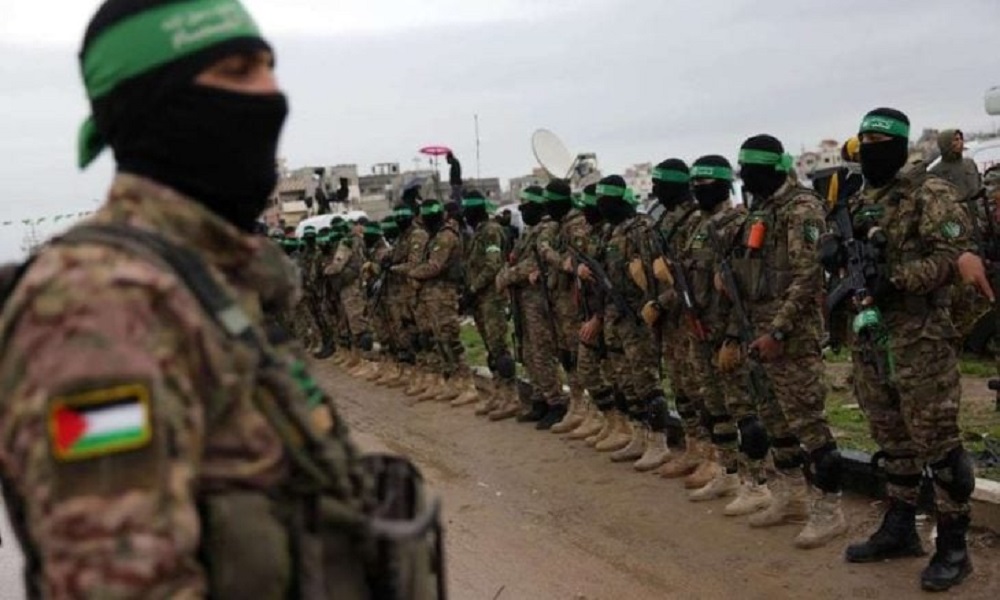
Steve Witkoff, Trump’s special Middle East envoy and close ally, maintains cautious optimism, noting that progress is being made, albeit slowly, as both Israel and Hamas walk a fine line.
Both sides are keen to avoid open defiance of President Trump, says Le Figaro, but remain locked in ambiguous positions like “yes, but,” preventing any real breakthrough — at least for now.
The situation is further complicated by Netanyahu’s narrow political margin. Far-right ministers in his coalition have threatened to collapse the government if any concessions are made to Hamas, Le Figaro concludes.