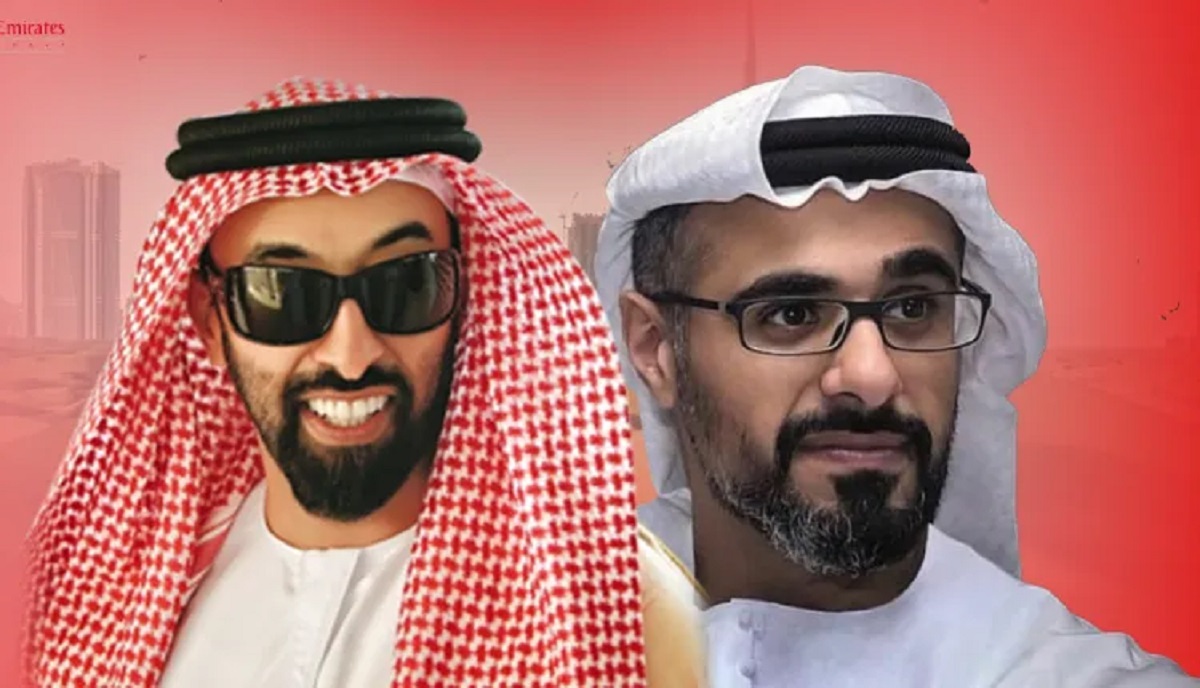
The Silent Power Struggle Inside the UAE: Tahnoun vs. Khaled bin Zayed
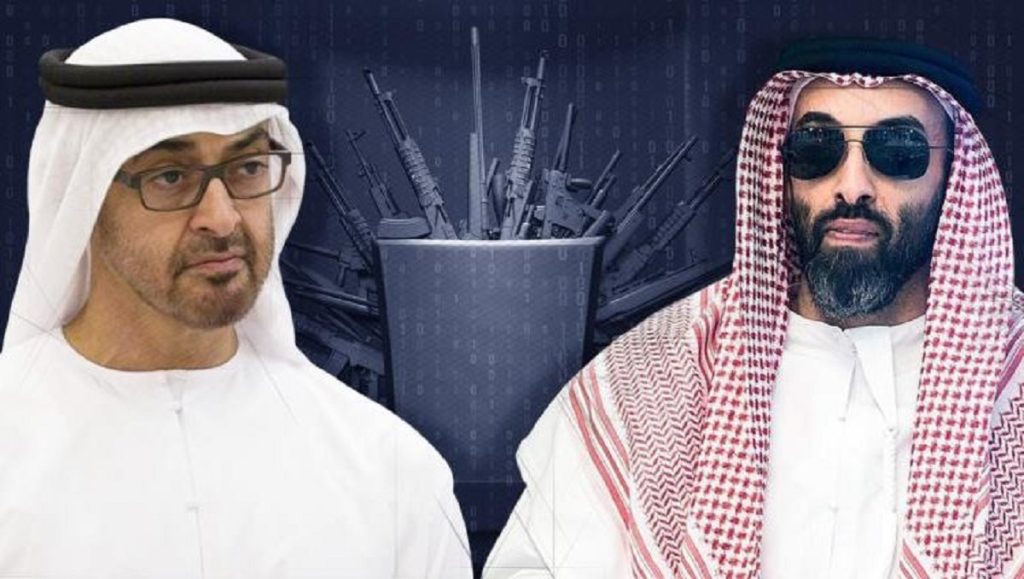
As UAE President Mohamed bin Zayed pushes his son Khaled forward, his powerful brother Tahnoun bin Zayed fights to preserve his shadow empire built over two decades of security, intelligence, and strategic influence.
Watan-For two full decades, Tahnoun bin Zayed Al Nahyan remained the UAE’s most powerful man in the shadows — relentless in his efforts to consolidate power. A man who rarely appeared in public or sought the spotlight, yet held the reins of national security, sensitive intelligence files, and political money stretching from Asia to Africa.
Tahnoun was the name that knew everything, and was never questioned. As Chairman of the Supreme National Security Council, overseer of the State Security Apparatus, and mastermind behind strategic investments through massive entities like ADQ and Royal Group, he operated behind the scenes as a key decision-maker — one of the hidden engines that powered the UAE.

But the man who avoided the limelight for years suddenly stepped forward in recent years. Tahnoun began appearing in official meetings, high-level forums, and international visits. It appeared that UAE President Mohamed bin Zayed, his half-brother and close ally, had promoted him into the public sphere, giving him a louder, visible role.
However, that public exposure wasn’t entirely innocent. According to insiders and analysts, Mohamed bin Zayed brought Tahnoun into the light to expose him — especially to Western capitals increasingly uneasy about his expansive, and often opaque, role in cybersecurity, surveillance, and geopolitical intelligence.
Few knew that until 2022, Tahnoun was widely seen as the most likely successor to Mohamed bin Zayed. He had deep-rooted support within the UAE’s security and economic apparatuses and was viewed as the most capable of managing the country’s intricate web of internal and external interests.
That all changed with the sudden rise of Khaled bin Mohamed bin Zayed, the president’s son.
Tahnoun had taken on controversial files, some of which ultimately sabotaged his future prospects — including his connection to the notorious DarkMatter cyber-espionage firm, which angered Washington and its intelligence community. His involvement in Libya, Yemen, Sudan, and other regions created diplomatic friction with European intelligence agencies.
Even his business ventures suffered setbacks. U.S. tech companies quietly blacklisted parts of his financial empire due to its links to surveillance technologies, turning Tahnoun into a diplomatic liability not easily marketed as a future ruler.
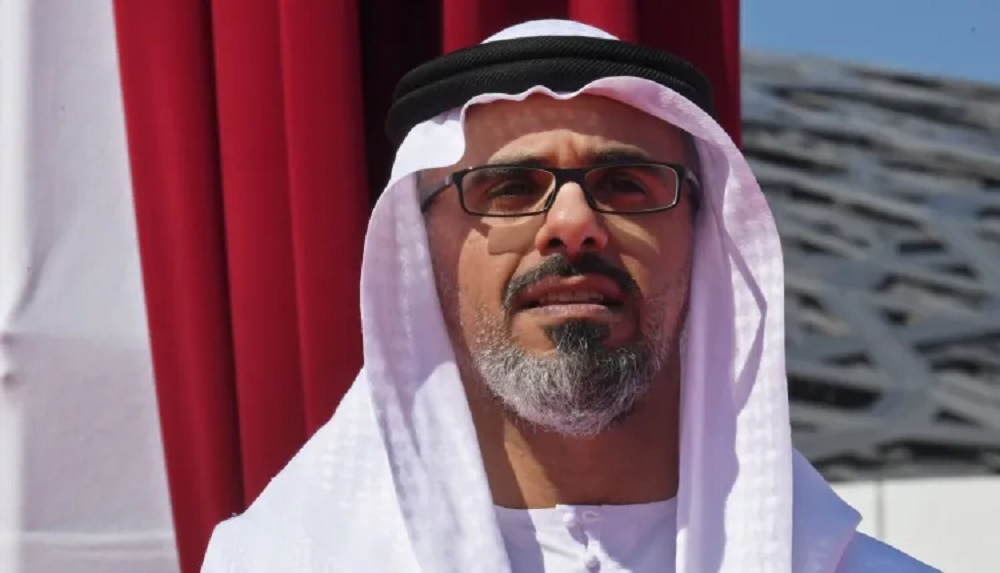
It was at this crossroads that Mohamed bin Zayed pushed Khaled forward as a cleaner, safer successor. A British-educated young prince, Khaled embodied a polished technocratic image, untainted by Tahnoun’s controversies.
Still, removing Tahnoun wasn’t easy. His empire was dismantled quietly. Security files were transferred to Khaled. Surveillance tools were removed from Tahnoun’s allies. His involvement in external security operations was restricted, narrowing his focus to economic affairs only. Yet Tahnoun didn’t leave the field.
He strategically repositioned himself, using his economic clout to maintain influence — particularly through G42, a cutting-edge AI and big data firm now central to the UAE’s global tech ambitions.
Tahnoun also made quiet trips to Beijing and Moscow, rebuilding alliances outside the reach of Washington. Simultaneously, he revived unofficial intelligence channels with Egypt, Jordan, Mali, and Niger — rebuilding influence through informal networks.
The most surprising aspect? Tahnoun remains the only one inside the palace who hasn’t fully accepted Khaled as the successor.
He knows Khaled, despite formal backing, lacks full control of decision-making networks and doesn’t enjoy the same loyalty from entrenched power blocs in security and finance.
So, the power struggle remains unresolved — entering a “cold war” phase, with no open confrontation. Each side quietly maneuvers, builds alliances, and prepares for the day Mohamed bin Zayed steps down.
This isn’t just about formal titles — it’s about who controls the UAE’s real levers of power: national security, sovereign wealth, and regional intelligence.
While Khaled attempts to brand himself as a forward-thinking modernizer, Tahnoun remains the man who knows every corridor of the palace and holds sensitive knowledge about everyone. That makes him a dangerous player, even in the shadows.
Some believe Tahnoun has already lost too much ground. But his ability to stay in the dark may be his greatest strength.
In political succession battles, timing is everything — not days or months, but key moments where everything changes. And Tahnoun is waiting for that moment.