Algeria Confirms Boualem Sansal Not Included in Presidential Pardon, Rejects French Pressure
Algerian presidency excludes controversial writer Boualem Sansal from Independence Day amnesty, sparking backlash in France amid rising diplomatic tensions.
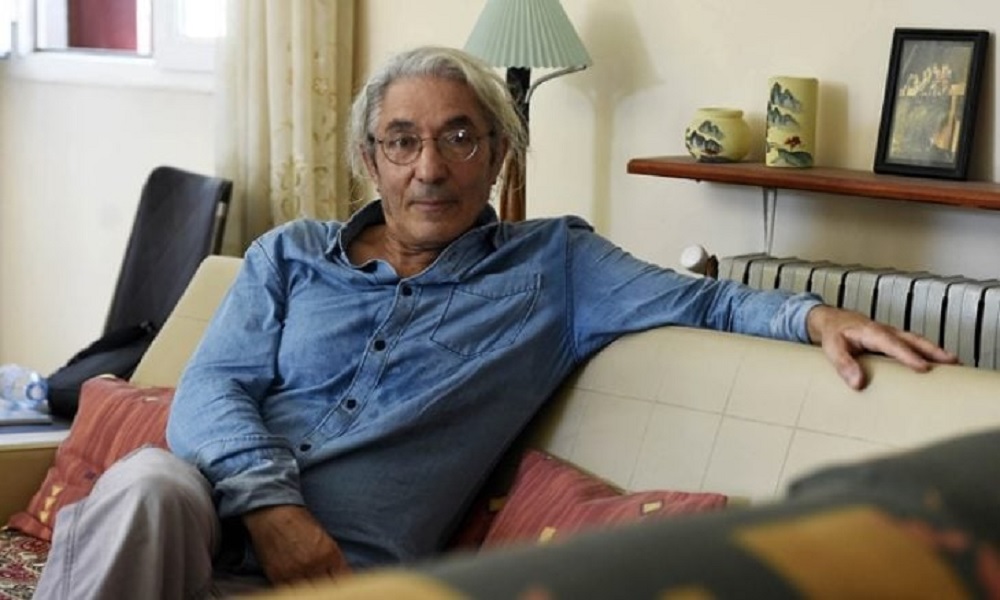
Watan-The Algerian News Agency (APS) confirmed on Monday that President Abdelmadjid Tebboune’s presidential pardon issued on Independence Day did not include writer Boualem Sansal, contrary to speculation in some French political and media circles, particularly from the far right.
This marks the first official Algerian confirmation that Sansal was excluded from the amnesty—an exclusion that has provoked criticism from several French officials, including Prime Minister François Bayrou, who described the decision as “an affront to solidarity and basic freedoms,” and condemned Sansal’s imprisonment over his “publicly expressed opinions” as “intolerable.”

“France has over 2,297 citizens imprisoned worldwide without considering it a national tragedy, yet insists on intervening when Algeria is involved,” noted APS.
Algeria Rejects French Pressure Over Sansal Pardon
French authorities had hoped the Algerian president would grant Sansal a pardon, especially after the writer chose not to appeal his final sentence before Algeria’s Supreme Court—legally allowing the president to exercise his discretionary power of amnesty. However, this expectation was dashed.
In a sharply worded editorial, the APS condemned the ongoing French media campaign surrounding the case, calling it “a fantasy promoted by the hateful far-right in France, which still hasn’t accepted Algeria’s independence.” The agency accused Sansal of remaining “captive to outdated illusions” and said his case has been used as “a pretext for a renewed campaign of hatred and misinformation against Algeria.”
APS also targeted the French media networks linked to businessman Vincent Bolloré, accusing them of spearheading an orchestrated smear campaign. It criticized French columnists, pundits, and self-proclaimed intellectuals for recycling the same “poisonous narrative” that portrays Algeria as a repressive regime—an effort to exert diplomatic pressure on the country.
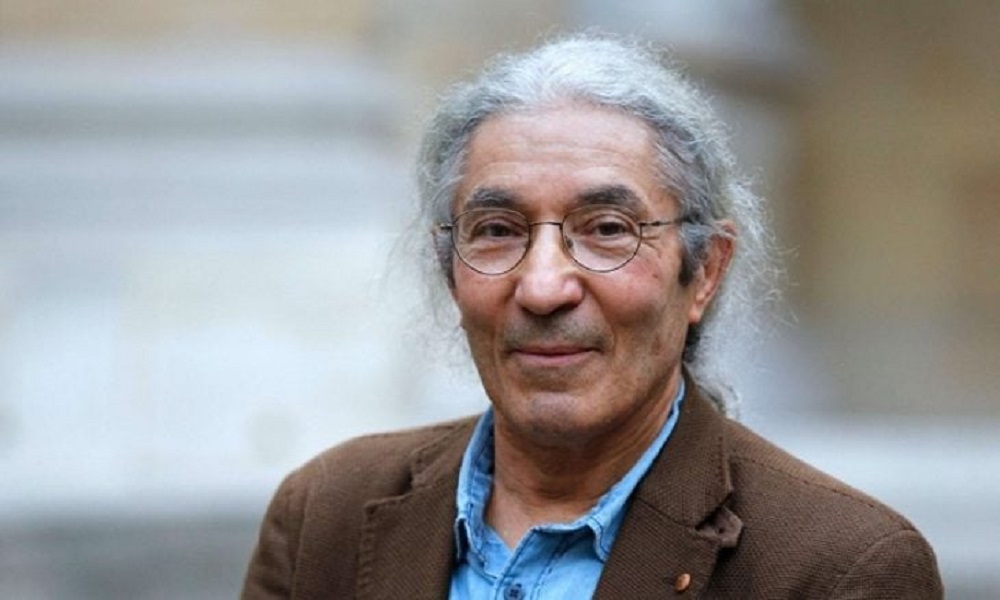
The statement condemned the double standards, noting that while France has imprisoned thousands of its own citizens abroad, it chooses to single out Algeria, which tried Sansal under its domestic laws, as he is a former senior official and Algerian national.
The agency emphasized that Sansal’s case involves national unity, calling it “a red line for any sovereign state.” It warned that some French political and media figures are embracing a new colonialist and patronizing attitude, masking France’s internal crises by stirring up tensions with Algeria.
APS accused France of executing a deliberate strategy to revive anti-Algerian hostility, referencing recent inflammatory comments by writer Pascal Bruckner on “Le Figaro,” who suggested “kidnapping Algerian diplomats” and called the Algerian people “insane.”
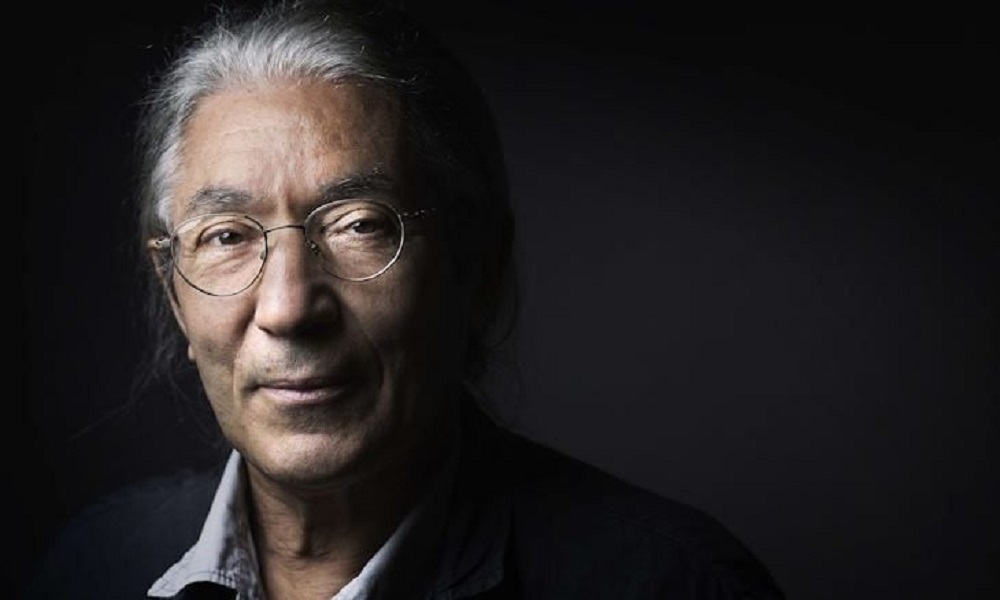
Sansal is currently serving a prison sentence for charges related to undermining national unity and other serious offenses after he claimed part of Algerian territory belonged to Morocco in an interview with a far-right French outlet. He was arrested at Algiers Airport on November 16, 2024, and was sentenced twice to five years in prison under Article 87 bis of Algeria’s Penal Code, which criminalizes acts deemed to threaten state security or qualify as terrorism.
APS recalled the 1970s era of anti-Algerian racism in France, warning that a new wave of incitement was being led by the “heirs of the OAS (Secret Army Organization)”—France’s paramilitary colonial force—under modern guises.
“Those behind this campaign are not defending Sansal—they are using him as a pretext to reignite a memory war,” the agency wrote. “Algeria stands firm, loyal to its principles, and fiercely protective of its sovereignty. Not even Bolloré’s filthiest saliva can stain its honor.”
The media empire of Vincent Bolloré has come under fire for consistently providing a platform to anti-Algerian voices and historical revisionism. During a recent visit to Algiers, leftist MP Sébastien Delogu from La France Insoumise strongly criticized Bolloré’s media for acting as “watchdogs” of hate.
In an interview with Canal Algérie, Delogu said, “French media has become fully Bollorized,” accusing it of spreading lies and colonialist rhetoric against Algeria. He warned that this media narrative, no longer limited to the far right, is now echoed by voices within France’s government itself.
Drawing from his family’s past—his grandfather was saved by Algeria’s liberation army and fled the OAS—Delogu said he could not remain silent in the face of “divisive discourse and distorted history promoted by Bolloré-aligned media.”