Israel and Hamas Hold Indirect Talks in Qatar Amid Hopes for Ceasefire and Prisoner Exchange Deal
Qatari-mediated negotiations focus on implementing a potential truce and prisoner swap, as humanitarian disaster in Gaza deepens and Netanyahu seeks U.S. backing against Iran.
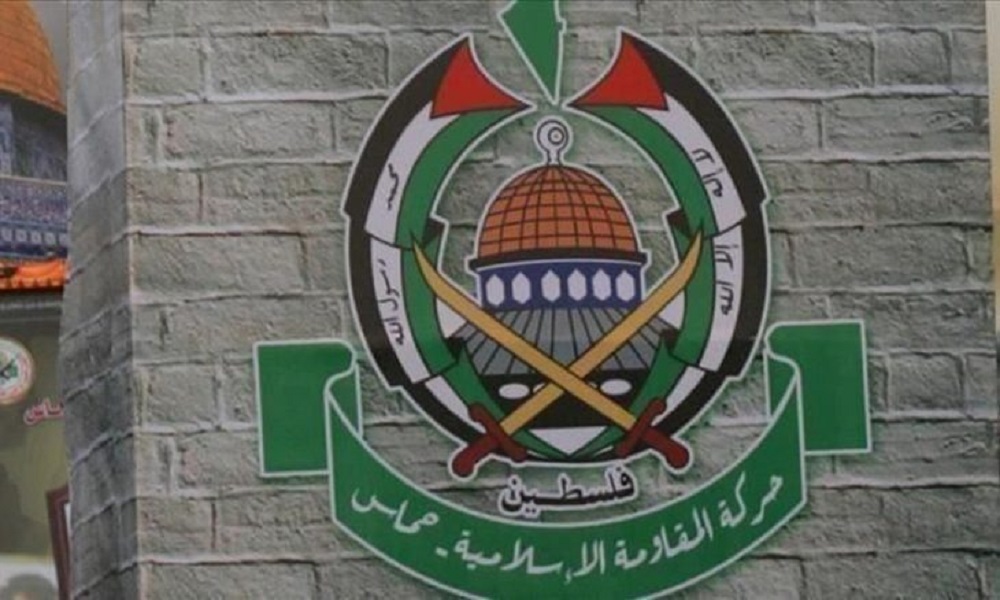
Watan-On Sunday, indirect negotiations between Israel and the Islamic Resistance Movement (Hamas) began in Qatar, aimed at reaching a ceasefire agreement and prisoner exchange deal in Gaza, according to a Palestinian source.
The source stated that the talks center on the mechanisms for implementing a potential agreement and the prisoner swap, noting that negotiations started at 6:30 p.m. GMT and involve exchange of positions and responses via mediators.


Earlier Sunday evening, an informed Israeli official told the media that a prisoner exchange deal with Hamas could be reached within 24 hours, according to Israel’s i24NEWS. The unnamed source said the remaining differences between the two sides are minor, adding,“An agreement could be reached within a day; the disagreements are not significant. It all depends on how flexible the sides are and the level of pressure from President Donald Trump.”
Shortly before Israeli Prime Minister Benjamin Netanyahu departed for Washington, an Israeli delegation arrived in Doha to advance the prisoner swap negotiations with Hamas. On Saturday evening, Israel rejected Hamas’s amendments to Qatar’s ceasefire proposal, calling them “unacceptable.”

However, on Friday, Hamas announced it had delivered its official response to the proposal after concluding internal consultations and discussions with other Palestinian factions. Hamas described its response as “positive” and expressed readiness to immediately begin negotiating implementation mechanisms.
According to Yedioth Ahronoth, a key sticking point in the negotiations is Hamas’s insistence that the UN supervise aid distribution, a condition rejected by Israel.
Hamas also demands guarantees that the war will not resume after the proposed 60-day truce, as well as disagreements over the identities of the Palestinian prisoners to be released.
Hebrew-language media, including Haaretz, reported that the proposed deal includes the release of half of the living Israeli captives and half of the remains (10 living captives and 18 bodies), in phases over 60 days.
In exchange, Israel would release a large number of Palestinian prisoners and gradually withdraw its forces from agreed-upon areas inside Gaza. This condition remains controversial for Israel, which demands Hamas disarmament and exile of its leadership abroad.
Israel estimates that 50 of its captives remain in Gaza, including 20 alive, while over 10,400 Palestinians remain in Israeli jails, suffering from torture, starvation, and medical neglect, which has led to the deaths of many, according to Palestinian and Israeli human rights reports.
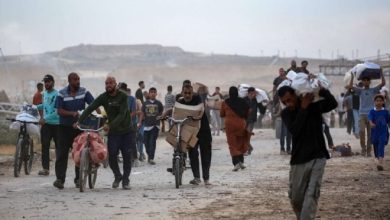
Since October 7, 2023, Israel has waged a U.S.-backed war on Gaza described as genocidal, involving mass killing, starvation, destruction, and forced displacement—ignoring international appeals and International Court of Justice rulings to halt its assault.
The war has left over 193,000 Palestinians killed or injured, most of them women and children, with over 10,000 missing, hundreds of thousands displaced, and famine claiming more lives, including dozens of children.
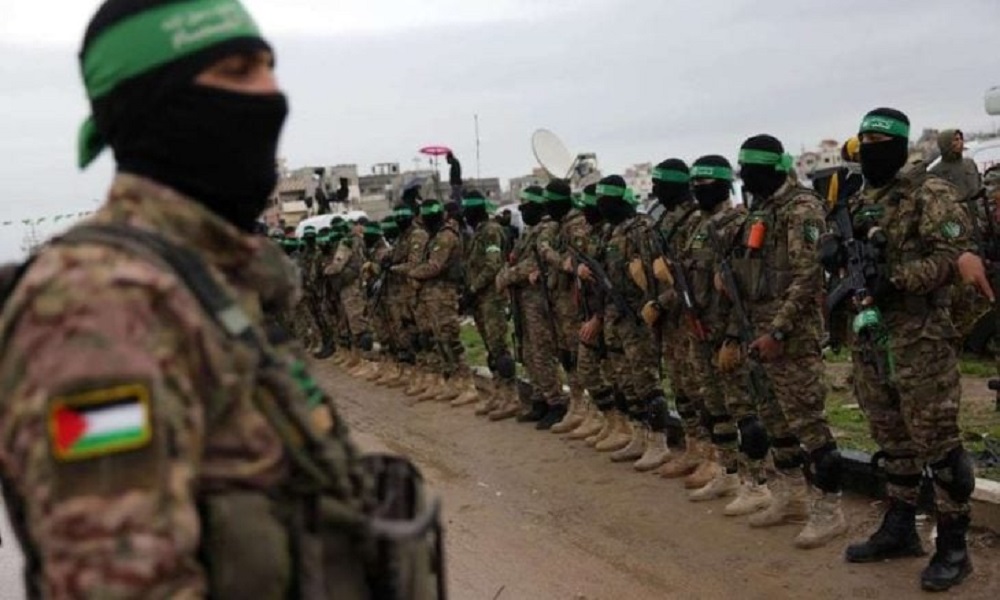
Meanwhile, the Israeli source said Netanyahu will ask President Trump during their upcoming Tuesday meeting in Washington for a “green light” to take action against any Iranian nuclear activity.
Earlier on Sunday, Netanyahu departed for Washington for high-level talks with Trump to discuss key issues, including ending the Gaza war and a potential future strike against Iran.
The source added:“The goal is to obtain a mandate similar to that in Lebanon. If suspicious activity is detected at nuclear sites, or if uranium transfers are suspected, there would be pre-approved U.S. authorization to respond.”
On June 13, Israel—backed by the U.S.—launched a 12-day assault on Iran, targeting military, nuclear, and civilian sites, and assassinating military commanders and nuclear scientists.
Iran responded by striking Israeli military and intelligence facilities with ballistic missiles and drones. Washington then declared a ceasefire between Tel Aviv and Tehran on June 24.