Ass’ad Ghanem: Israel’s Genocidal War on Gaza Is Rooted in Deep Structural Shifts
In his new book “Gaza: An Entry to the Prolonged War”, political scientist Ass'ad Ghanem examines how internal Israeli and Palestinian transformations made genocide possible—and why the war is likely to continue for years.
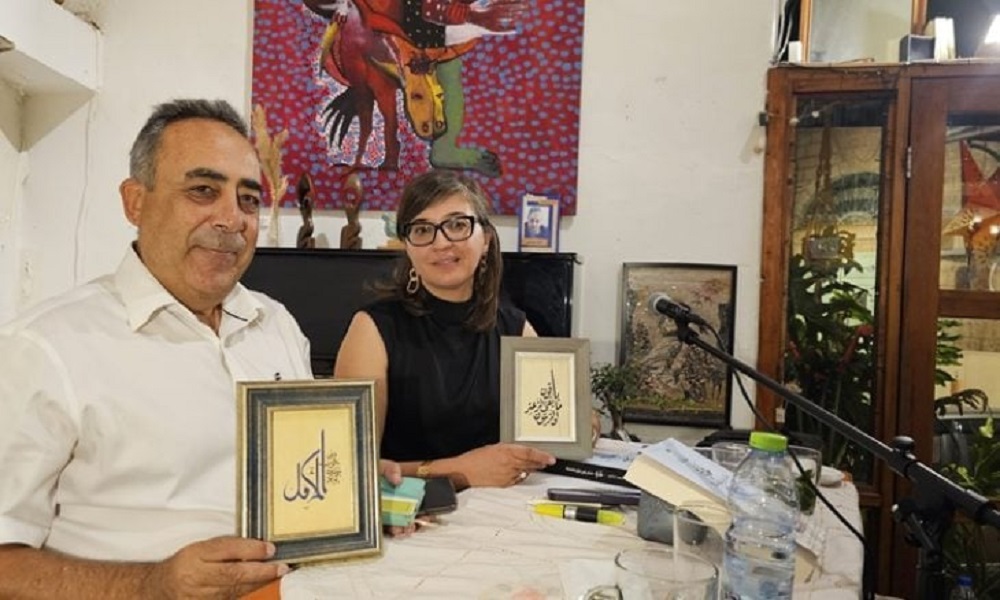
Watan-Professor Ass’ad Ghanem, a political scientist at the University of Haifa (inside the 1948 territories), argues that Israel’s genocidal war on Gaza cannot be understood without examining the deep internal transformations on both the Israeli and Palestinian sides over recent decades. He emphasizes that Israel bears primary responsibility, though Palestinians also share part of the burden.
Speaking during a lecture in Nazareth based on his new book “Gaza: An Entry to the Prolonged War”, Ghanem delved into the structural causes behind the war of genocide and ethnic cleansing, attributing them to long-brewing changes in Israeli society that culminated before October 7. He believes the war is far from over, as reflected in the book’s title, and insists that fire must cease at all costs to ensure the survival of Gaza and its people.
He argued:“This barbaric war would not have happened without deep changes in both societies: the rise of fascism and extremism in Israel and the collapse of the Palestinian national liberation movement, as well as the internal division between the West Bank and Gaza.”
Ghanem warns that this existential war targets not just Gaza but also the occupied West Bank—through settler violence, forced displacement, and systematic Judaization. He noted that ten ministers from the Likud party recently demanded Netanyahu impose full Israeli sovereignty by the end of the month.
He added that this existential war also affects Palestinian citizens of Israel, seen in the ethnic cleansing of Bedouins in the Naqab, their marginalization, and the silent encouragement of emigration through state-enabled criminal violence and systemic pressure.
Fascist State and Strategic Shift
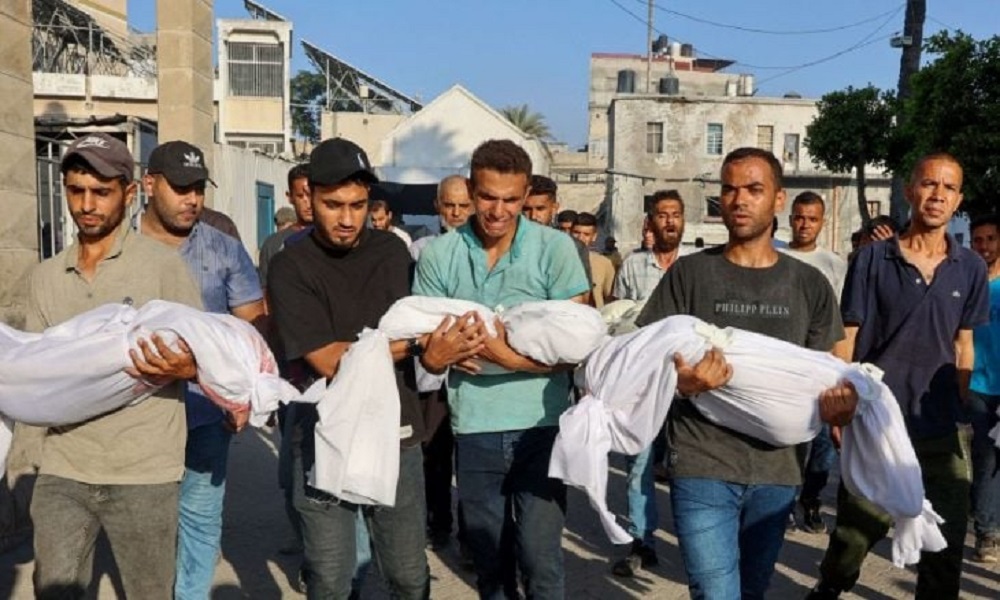
Ghanem describes Israel as an increasingly right-wing and violent state that no longer fears Western criticism. He argues that post-October 7, Israel has shown daily willingness to commit massacres in the name of vengeance and strategic control—working to establish a Jewish state from the river to the sea through apartheid, the erasure of equal citizenship, and the elimination of the two-state solution.
He warns that the ideological shift in Israel is not just a drift to the right, but a full-blown fascist transformation. Ghanem points to the recent exclusion of Arab MP Ayman Odeh from the Knesset—with support from center-left figures like Benny Gantz and Yair Lapid—as indicative of Israel’s radical shift.
He concludes:“There is no partner for Palestinians in the Israeli left, which is itself intimidated by the dominant Zionist right. Netanyahu’s far-right bloc—along with Smotrich and Ben Gvir—believes in crushing Palestinians by force. Contrary to many analyses, Netanyahu will not fall. He’s one of the most dangerous prime ministers Israel and the region have ever seen—more influential than even Menachem Begin.”
Palestinian Role and National Collapse
Ghanem also highlights the collapse of the Palestinian national movement, noting two key consequences:
-
Hamas’s October 7 attack must be seen in the context of internal Palestinian competition without any unified national framework or consensus.
-
Palestinians are not just passive victims but have also contributed to their current crisis through fragmentation. Gaza, he asserts, has been abandoned—not just by Arab regimes but by other Palestinians.
He argues that Palestinians, even amid genocide, have failed to reach a national consensus on how to respond.
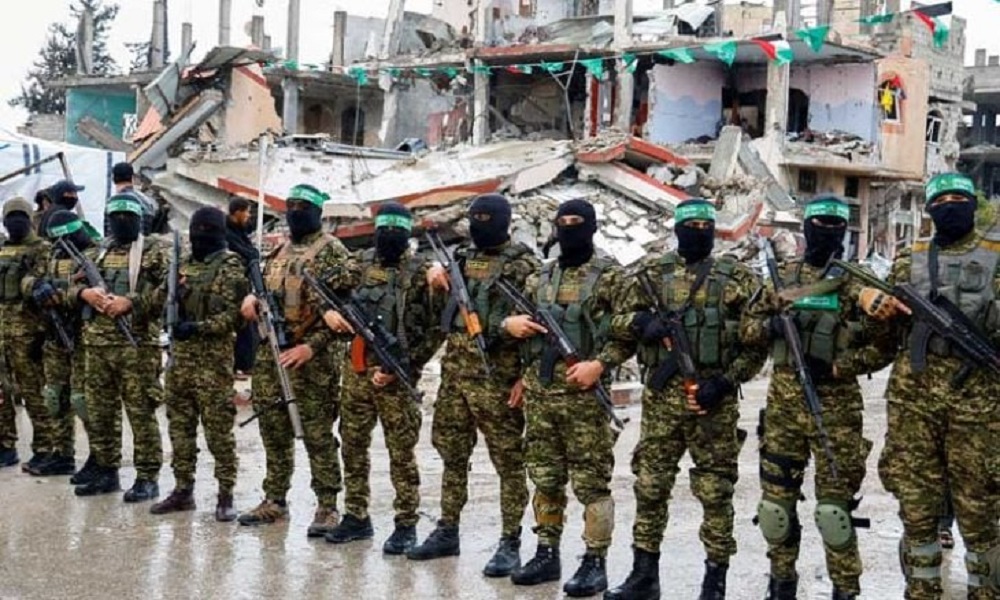
According to Ghanem, Hamas launched the Al-Aqsa Flood operation without sufficient strategic foresight, while the Palestinian Authority has failed to protect its people. Both have isolated Gaza. He criticizes Arab states for prioritizing their own national interests over the Palestinian cause.
He asks:“What have Palestinians gained from the Al-Aqsa Flood, given the immense sacrifices? Hamas, nearly two years later, is now calling for an end to the war and an Israeli withdrawal.”
Ghanem concludes that both armed struggle and negotiations have reached dead ends, predicting a long, unresolved conflict and the emergence of a de facto one-state reality.
A Historic Moment of Existential Danger
Ghanem believes that Palestinians now face a more existential threat than even the Nakba of 1948. The war, he says, is placing all Palestinian projects at risk amid the broader colonial and apartheid agenda.
The urgent task, he stresses, is for Palestinians to agree on a unifying vision to confront this strategic threat, including a radical shift in resistance strategies.
Arab Citizens of Israel
Ghanem criticizes the political leadership of Palestinians inside Israel for failing to respond morally and nationally to the Gaza war. He argues that they must defend themselves and their future by holding onto citizenship, resilience, and organization.
He advocates for the revival of positive steadfastness—not just survival, but community building and unity, drawing inspiration from the 1950s–70s within Israel and the West Bank.
He proposes structural reform of the High Follow-Up Committee inside Israel and greater Palestinian coordination overall, urging a grassroots strategy of building institutions and communal strength rather than waiting for a final solution.
In his final reflections, Ghanem suggests that the historic confrontation with Zionism has entered a new strategic phase—armed struggle has collapsed, negotiations have failed, and only a one-state reality looms ahead with no near solution in sight.
The book, written months before and published just one year into the war, represents a bold intellectual endeavor by an engaged scholar who bridges theory and activism in the Palestinian public sphere.