Sheikh Mansour’s Double Life: From Football Royalty to Orchestrator of Proxy Wars
A New York Times Investigation Reveals the UAE Vice President’s Covert Role in Global Conflicts While Building a Billion-Dollar Soft Power Empire.
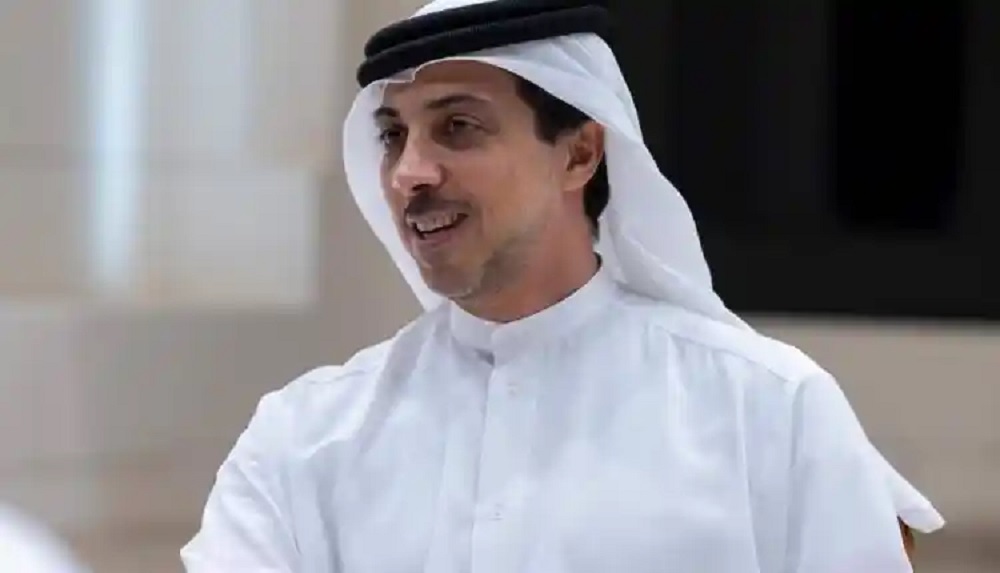
Watan-Publicly, Sheikh Mansour bin Zayed Al Nahyan is known as the wealthy, discreet owner of Manchester City Football Club. Privately, U.S. and UN officials say he is a central figure in the United Arab Emirates’ covert operations, backing warlords, coordinating arms deals, and fueling conflicts in Sudan, Libya, and beyond.
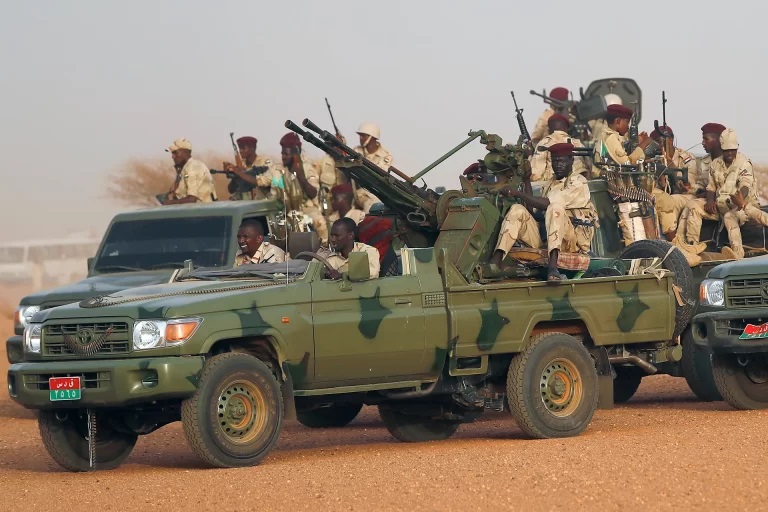
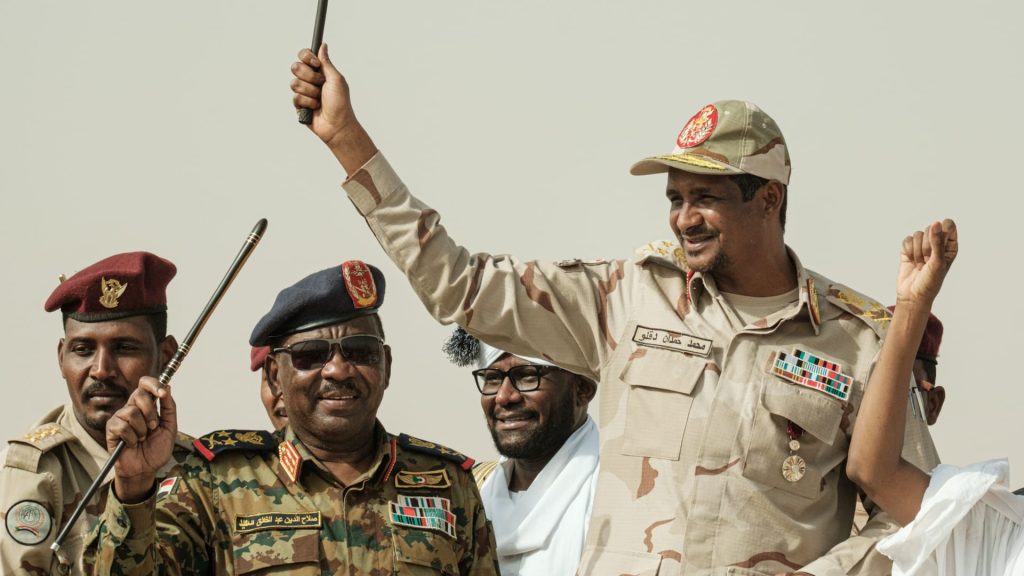
In April 2023, just weeks before the Sudanese civil war erupted, Sheikh Mansour, one of the richest men in the Middle East and the UAE’s Vice President, hosted notorious Sudanese commander Mohamed Hamdan Dagalo (a.k.a. Hemeti) in his lavish Gulf-facing palace. The two men, already familiar from previous meetings—including a weapons expo in Abu Dhabi—discussed support. Shortly thereafter, Emirati-controlled charities allegedly served as cover to smuggle drones and advanced weapons to Hemeti’s militia, the Rapid Support Forces (RSF), according to U.S. intelligence.

These RSF forces have been accused of mass atrocities, including genocide and gang rapes. While the UAE denies arming any side, American officials intercepted calls between Hemeti and top UAE figures, including Mansour, forming a trail that pointed squarely to his involvement.
From Sportswashing to Shadow Diplomacy
Though best known globally for owning Manchester City and building a $780 million stadium in New York, Mansour’s real influence lies in orchestrating the UAE’s foreign interventions. Interviews with over a dozen Western, Arab, and African officials describe him as the “coordinator” of covert operations aimed at extending Emirati influence through warlords, strongmen, and strategic resource deals.
According to former senior U.S. diplomat Andrew B. Miller:“He’s the fixer, the quiet envoy sent into places with little glamour but great geopolitical importance to the Emiratis.”
Mansour’s strategy has reportedly included flattering despots, bankrolling militias, and expanding UAE-controlled influence over African ports, minerals, and power centers—all while leading efforts to build a parallel empire of soft power through football, AI, and global media.
Libya, Sudan, and Quiet Power Moves
In Libya, Mansour has allegedly maintained direct ties with General Khalifa Haftar since 2015. The U.S. believes Mansour managed this relationship quietly, providing financial and military support despite a UN arms embargo—at one point even supplying weapons previously sold to the UAE by Washington.
In Sudan, Mansour played a pivotal role in courting former President Omar al-Bashir and later building up ties with Hemeti’s RSF. Billions in aid flowed to Sudan from Emirati coffers. Though Bashir was wanted by the ICC for crimes in Darfur, the UAE saw strategic value in backing him—especially since he deployed RSF fighters to serve alongside Emirati forces in Yemen.
The UAE’s loyalty eventually shifted entirely to Hemeti, whose forces became central to the ongoing civil war. U.S. intelligence tracked shipments of weapons from the UAE through a secret base in Chad, camouflaged as humanitarian aid, all allegedly under the purview of Mansour.
A Billionaire Cloaked in Mystery
Despite his influence, Mansour remains mostly invisible in the West. He rarely speaks to media, avoids diplomatic meetings, and has only attended a couple of Manchester City matches in 17 years. His low profile has helped him dodge accountability in cases involving arms smuggling and financial corruption.
That veil is now fraying.
In 2023, the UK government blocked Mansour’s attempted acquisition of The Daily Telegraph, citing press freedom concerns. U.S. and Malaysian courts also revealed that Mansour was linked to the infamous 1MDB scandal—a global financial fraud involving the embezzlement of over $4.5 billion.
U.S. prosecutors presented evidence that Mansour’s companies were used to funnel nearly half a billion dollars. Though he was never charged, he was labeled a “co-conspirator,” and a $688 million superyacht he allegedly financed—Topaz—was partly paid for with stolen 1MDB funds.
Manchester City Under Scrutiny
Mansour’s prized sports asset is now at the center of a massive legal battle. In September 2023, Manchester City stood before a UK arbitration panel, facing 130 charges of financial misconduct—accusations include funneling money into the club through disguised sponsorships from UAE-linked firms.
British media have dubbed it “the trial of the century,” with potential penalties including expulsion from the Premier League, massive fines, or stripping of titles.
Behind closed doors, Emirati officials have reportedly brought up the case with the UK Foreign Secretary, framing it as a diplomatic irritant. One British envoy said, “It’s now a persistent source of tension between the two governments.”
From Gaza to Khartoum: American Frustration Grows
In Washington, bipartisan frustration is building over the UAE’s alleged support for war crimes in Sudan. Republican Secretary of State Marco Rubio has publicly accused the UAE of enabling genocide by backing Hemeti’s RSF. Congressional Democrats have called for suspending U.S. arms sales to Abu Dhabi.
Tensions peaked in 2024 when U.S. envoy Tom Perriello confronted Mansour personally about arming Hemeti. Mansour denied the claims, deflecting blame to rival Sudanese factions.
That same year, RSF forces—armed with drones allegedly supplied by the UAE—bombed fuel depots and Sudan’s last international airport. Just days later, Trump visited Abu Dhabi, where he praised Sheikh Mohammed bin Zayed and signed a $200 billion AI deal with the UAE. He also greenlit a $2 billion digital currency partnership involving his family and Mansour’s Mubadala fund.
Conclusion: The Man in the Shadows
Sheikh Mansour’s journey—from a shy royal with a passion for horses and yachts to the discreet engineer of regional proxy wars—has remained largely shielded by oil wealth and political insulation. But as investigations mount, financial transparency tightens, and legal scrutiny deepens, his immunity may be reaching its limits.
Once the quiet face of Gulf soft power, Sheikh Mansour now stands at a crossroads—where global finance, football prestige, and foreign wars converge under the spotlight of international law.