
Yemen’s Houthis Welcome Iran-Israel Ceasefire but Vow to Continue Strikes Inside Israel
Despite Tehran Truce, Ansar Allah Signals Commitment to Gaza Resistance and Limits Attacks to Israeli Territory Only.

Watan-With the announcement of a ceasefire agreement between Israel and Iran—though not yet in full effect—an important Yemeni question emerged: How will the Houthi movement (Ansar Allah) respond?
According to local Yemeni media, the Houthis are expected to comply with the ceasefire path, meaning their threat to target U.S. ships will not be activated. Thus, their existing agreement with Washington appears to remain intact. This position stands in contrast to earlier assumptions, even after the Houthis warned of targeting American vessels if the U.S. joined the war against Iran.

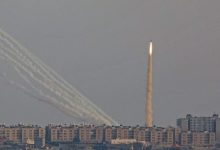
Events over the past two days confirm that Ansar Allah took a cautious stance, waiting for Iran’s response. Now, it seems the group is satisfied with Iran’s retaliation and will remain committed to the ceasefire—with one exception: they will continue attacking targets deep inside Israel if there is no ceasefire in Gaza.
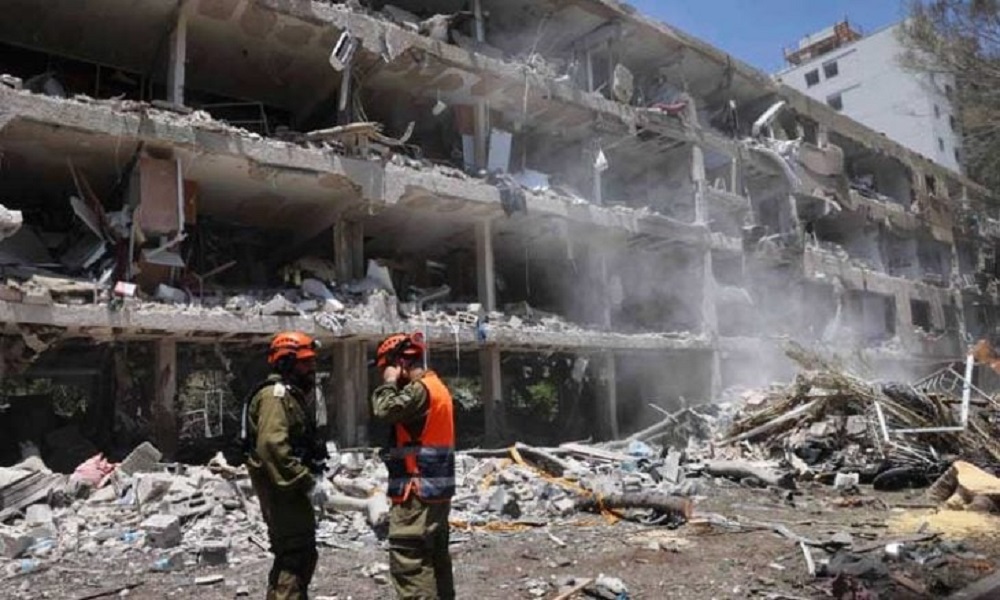
Social media posts from Houthi leaders on Tuesday made no reference to the U.S. agreement. Some reaffirmed their intention to carry on operations inside Israel until the aggression stops and the blockade on Gaza is lifted.
In a statement, Houthi spokesperson Mohammed Abdul Salam praised Iran’s performance in the 12-day war, celebrating Tehran’s daily missile strikes on Israeli territory. He wrote:
“Iran, with its own arsenal, confronted a heavily armed enemy supported by Western powers. This wasn’t just a war with Israel, a forward base for America, but with the U.S. and its Western allies.”
He added:“Iran’s preservation of its peaceful nuclear rights and principled stance shows the enemy failed to meet its declared goals. Its crimes against scientists and military personnel and the bombardment of infrastructure won’t stop Iran from claiming its rightful place.”
Abdul Salam stressed:“True sovereignty in the region will only come when states unite, abandon disputes, and realize they all face a shared threat from a Zionist entity used by America as a blunt weapon against any rising power.”
This was echoed by Ansar Allah’s Information Minister, Hashem Sharaf al-Din, who declared:“Arab and Muslim countries should focus on halting Israeli-American aggression on Palestine, Lebanon, Iran, and Yemen—and work to expel all U.S. bases from their soil.”
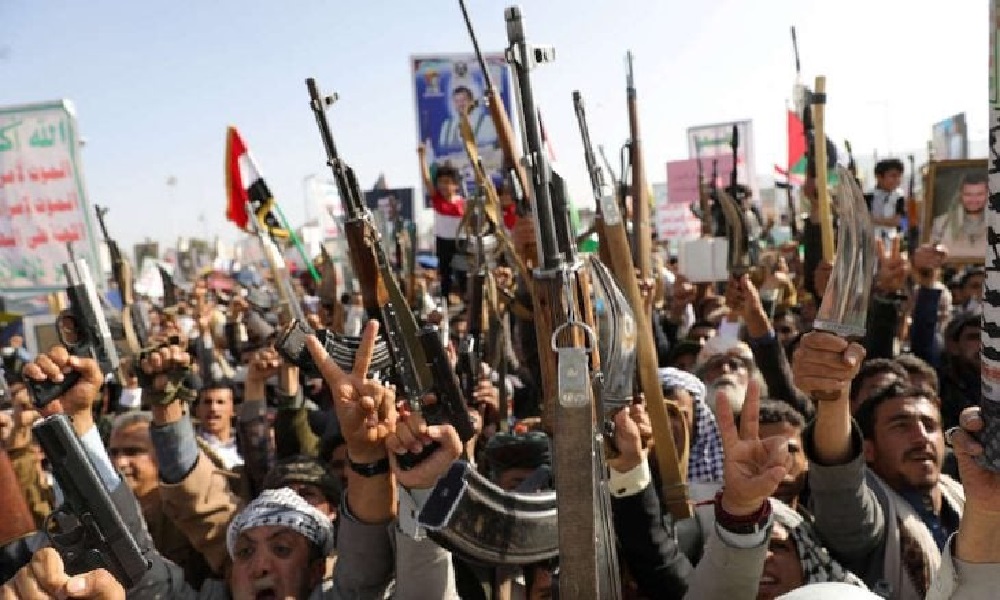
However, a separate statement from Political Bureau member Mohammed al-Bukhaiti made clear that:“Our strikes on Israeli territory will continue. The Iran-Israel ceasefire is a victory for Iran.”
He added:“The fact that America and the Zionist entity agreed to a truce proves that military force is the only language they understand. Our operations will continue until the aggression on Gaza ends and the blockade is lifted.”
Another senior figure, Hezam al-Asad, confirmed on Tuesday:“The no-fly zone over Ben Gurion Airport and Haifa Port remains in effect. It will not be lifted until the aggression ends and the siege on Gaza is lifted.”
Interestingly, a tweet by political analyst Mohammed al-Moqaleh, which cautioned against striking outside Israeli territory, was reposted by Houthi spokesperson Abdul Salam, indicating a strategic shift in the group’s military approach—focusing only on targets inside Israel, and avoiding escalation beyond.
This stance marks a notable evolution in Ansar Allah’s doctrine: a continued role in regional resistance, while tactically limiting actions to Israeli targets only—in solidarity with Gaza, without derailing diplomatic tracks involving the U.S. and Iran.